
Last updated November 25, 2026
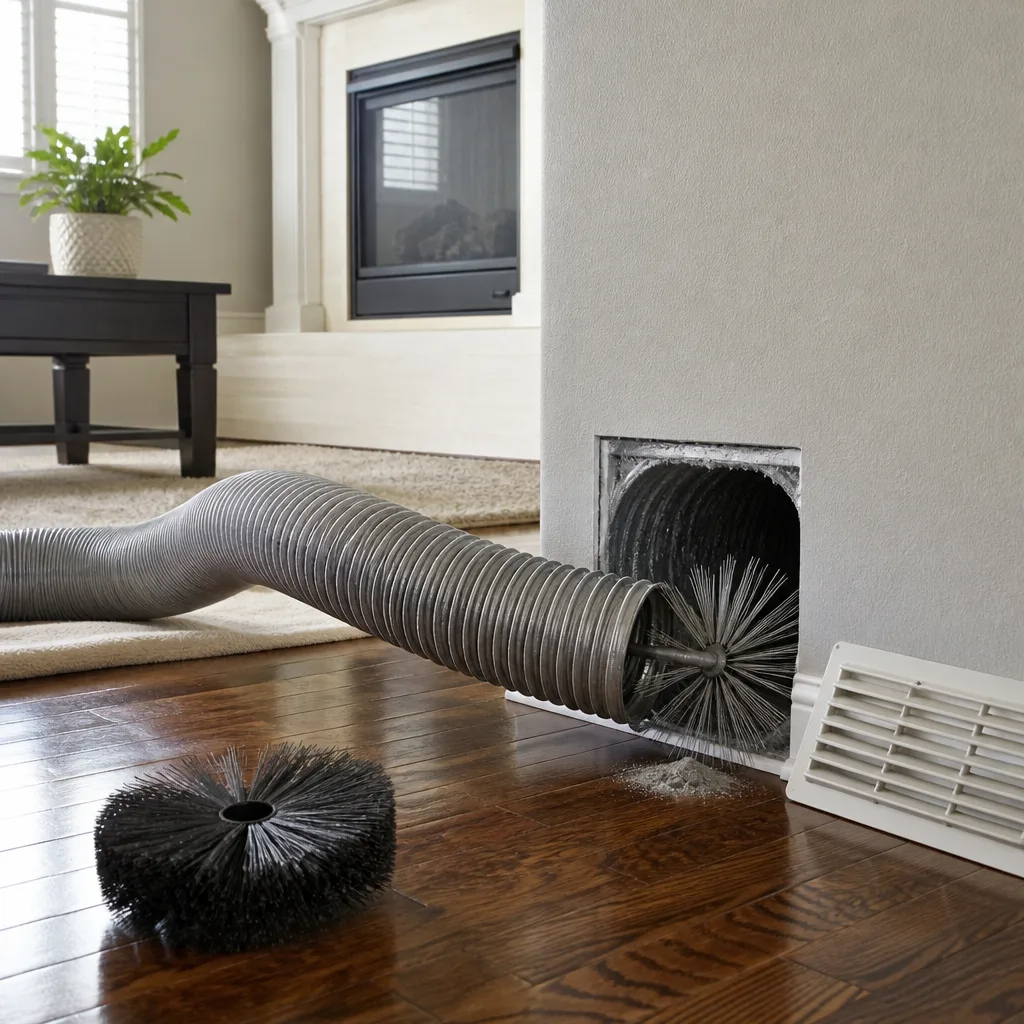 Whole-home duct cleaning
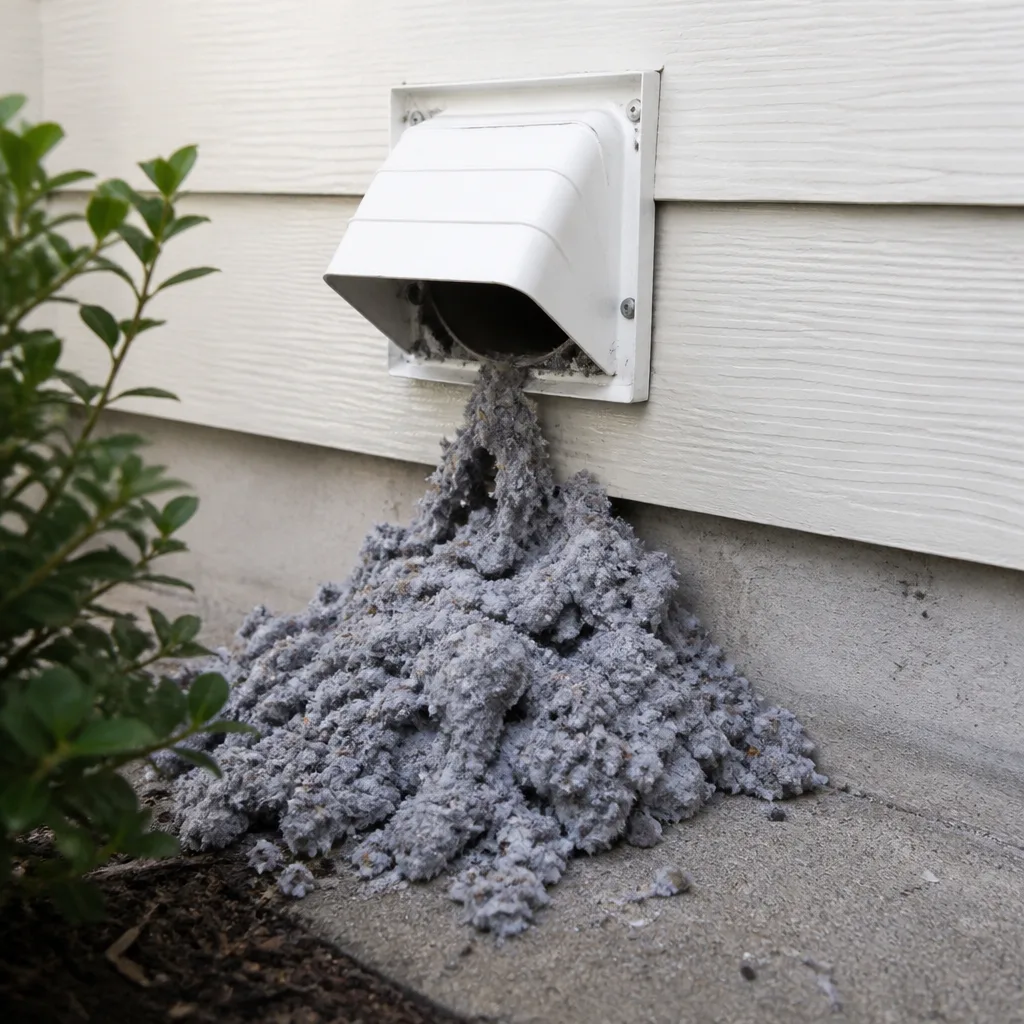 Dryer vent cleaning
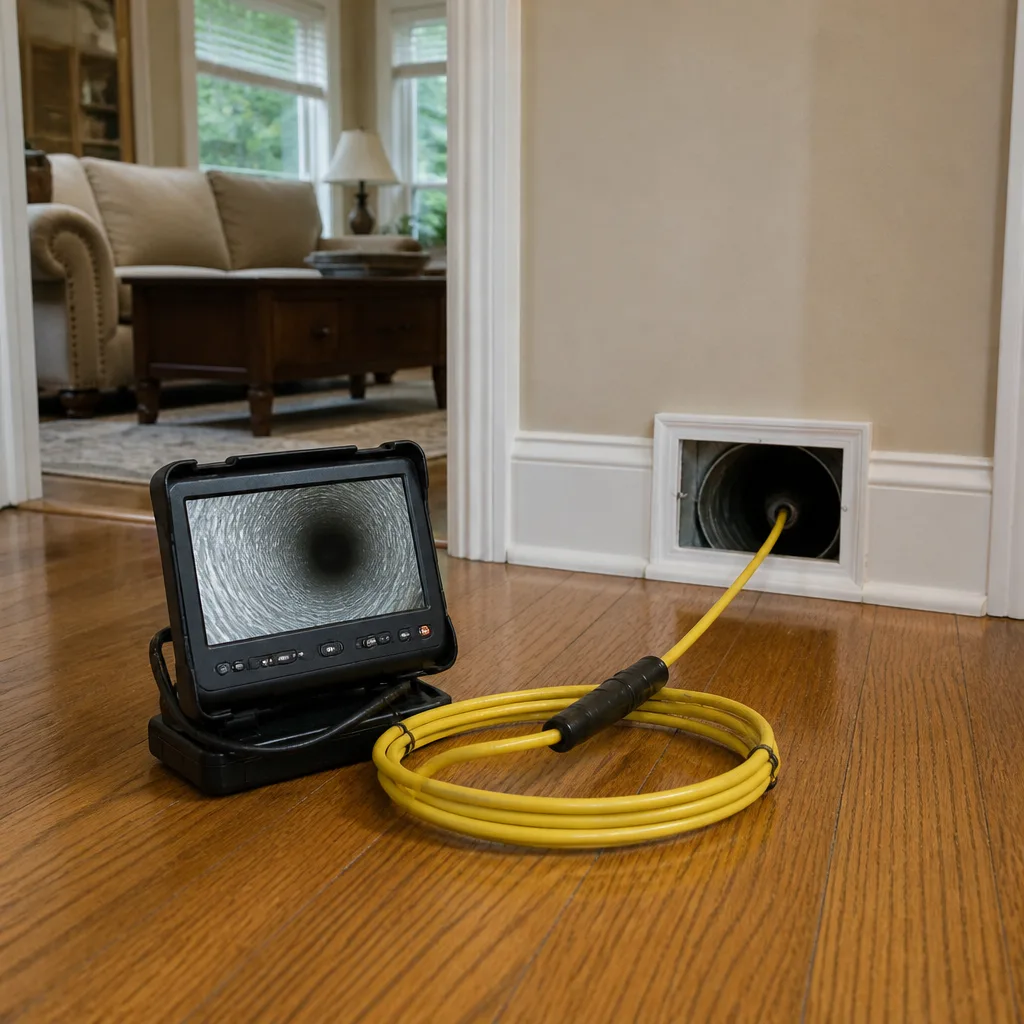 Camera inspection
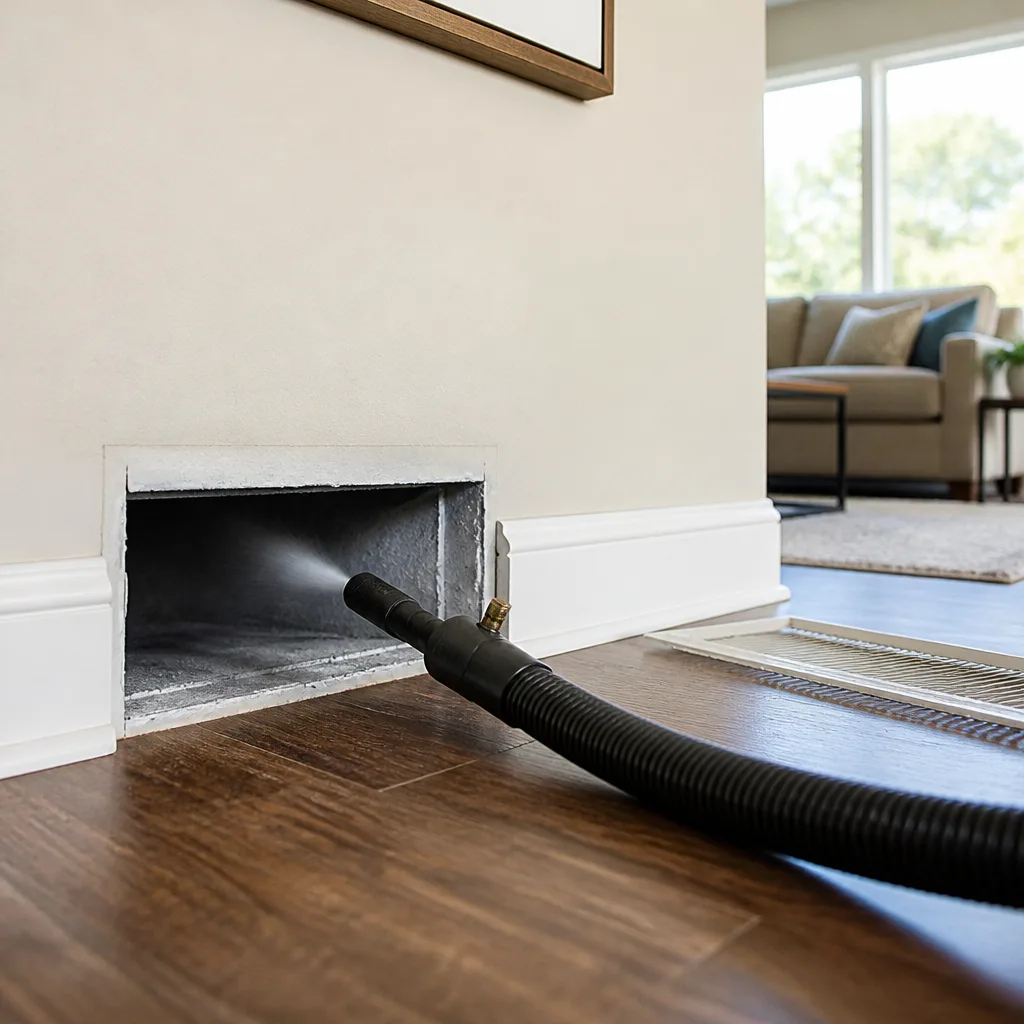 Sanitizing & deodorizing
Whole-system duct and dryer vent check with before-and-after photos - you see exactly what came out of your vents
That "$99 whole-house special" is a bait ad - the real number appears once they are in your hallway, or the "clean" is a shop-vac at the register. We photograph the inside of your ducts before and after instead.
Air Duct Cleaning Permits, Codes & Inspections in Knoxville, TN: What You Need to Know
Most duct cleaning in Knoxville needs no permit at all. That’s the part people expect. The surprise is what happens next: if a technician cuts a new access panel, replaces a run of trunk line, or opens up the air handler cabinet to fix a leak, the job can cross into work regulated by the Tennessee Mechanical Code and Knox County building rules. The cleaning itself didn’t trigger anything. The repair did. Approving that repair without asking about permits is how homeowners end up with HVAC modifications that were never inspected, never documented, and hard to explain when a house goes on the market. This guide draws the line clearly: what’s exempt, what’s regulated, who enforces it, and what to ask before you sign anything.
Quick Answer
Routine air duct cleaning, sanitizing, and minor flex duct reconnection in Knoxville are generally permit-exempt. Duct replacement, new access panel cuts, trunk line modifications, and any work inside the air handler cabinet are typically permit-required under Knox County’s adoption of the International Mechanical Code, and that work should be inspected. Aerosol duct sealing sits in a gray area where you should ask for UL documentation. Licensed contractors, not permits, are the other half of the puzzle.
Styles & brands we work with
- Whole-home duct cleaning
- Dryer vent cleaning
- Camera inspection
- Sanitizing & deodorizing
Table of Contents
- Where’s the line between cleaning and regulated HVAC work?
- What duct work in Knoxville is permit-exempt?
- What duct work in Knoxville requires a permit?
- How does Tennessee’s adoption of the IMC affect duct repair?
- Where do I verify a permit in Knox County?
- What’s the deal with aerosol duct sealing and UL standards?
- How do unpermitted duct modifications affect insurance and resale?
- What should I ask a contractor about licensing?
Where’s the line between cleaning and regulated HVAC work?
The line is function, not appearance. Cleaning removes what’s already inside a duct system. Regulated HVAC work changes how the system is built, how much air it moves, or how it connects to the equipment. A technician running a rotary brush through an existing trunk line is doing cleaning. A technician replacing that trunk line is doing duct construction, and duct construction is governed by code.
Why does that distinction matter more in Knoxville than in some places? Because the housing stock here is old and varied. Knoxville homes range from pre-war houses in Fourth and Gill and Old North Knoxville, where the ductwork may be original galvanized steel with hand-cut joints, to newer builds out west with flex duct run through conditioned attics. Older systems often need real repair work to be cleanable: a rusted-out return, a crushed flex run, a joint taped decades ago and now peeling. When that repair becomes a replacement, you’ve crossed from cleaning into a permitted activity.
The practical rule of thumb:
- Cleaning: removing debris from existing duct and plenum. No permit needed.
- Sanitizing: applying an EPA-registered product to existing surfaces. No permit needed.
- Minor reconnection: reattaching a flex duct to a collar, re-taping a joint that came loose, sealing a small gap with mastic. Generally no permit needed.
- Duct replacement: removing and installing new duct sections, trunk lines, or plenum runs. Permit required.
- New access panels: cutting an opening in duct or equipment cabinet where none existed. Permit required.
- Air handler cabinet work: removing, cutting, or modifying panels, doorways, or connections on the unit itself. Permit required.
In our experience the confusion comes from companies who do all of these things under the label of “cleaning.” It’s not that the repair is wrong. It’s that calling it cleaning skips the permit question entirely. If your duct system needs real repair and sealing, tell the company you want to know whether the specific work they’re proposing requires a permit before they start. See our air duct cleaning service page for how a cleaning-only visit is scoped, so you can tell the difference from the estimate.
What duct work in Knoxville is permit-exempt?
Cleaning, sanitizing, minor flex duct reconnection, sealing small joints with mastic or tape, replacing a flexible connector at the plenum, and filter changes are all typically permit-exempt in Knoxville. The reason is simple: these tasks don’t change the built system. They restore it to the condition it was already supposed to be in.
What does “minor” mean in practice? It’s not a fixed measurement, and any honest answer is a judgment call. But here are the tasks that, in our experience, are consistently treated as maintenance rather than construction:
- Rotary brush cleaning of existing supply and return ducts.
- Negative-air HEPA extraction of debris and fine particulate during cleaning.
- Sanitizing existing duct interiors with a certified product after cleaning.
- Re-seating a disconnected flex duct on its collar and re-securing it with the manufacturer’s tape or mastic.
- Sealing a small gap, joint, or boot with mastic.
- Cleaning and sanitizing the interior of the air handler cabinet without modifying it.
One thing worth knowing about access: most duct cleaning requires an opening large enough to reach full runs. Many homes already have at least one access panel. If a system doesn’t and cleaning genuinely can’t reach the main trunk without cutting one, that cut is the moment to have a conversation about permits. Some companies will quietly cut, clean, and patch. We don’t recommend that: a new opening is a modification, and the time to sort out whether it’s permitted is before the saw goes in. If you’re mapping out the full air pathway, our HVAC cleaning page shows how the equipment side is handled in a way that minimizes cabinet changes.
What duct work in Knoxville requires a permit?
Duct replacement, new access panel cuts, plenum or trunk line modifications, and any work inside the air handler cabinet require a mechanical permit in Knox County. The core rule is that any work that affects the structural integrity of the duct system, the airflow capacity of the system, or the equipment enclosure is considered construction, not maintenance.
Here’s the list we walk through with homeowners when a repair is on the table:
- Full run replacement. Removing a length of duct and installing a new one, whether rigid or flex, is construction.
- Trunk line and plenum modifications. Resizing, re-routing, or replacing a main trunk is construction.
- New access openings. Cutting any opening in ductwork or the equipment cabinet that wasn’t there before.
- Air handler cabinet work. Cutting, replacing, or removing cabinet panels or doors changes the equipment enclosure.
- Aerosol sealing of the entire duct system. This one sits in a gray zone, covered below.
Why does Knoxville see a fair amount of this? Our climate is part of the answer. Knoxville summers are humid and hot enough that the attic and crawlspace conditions the ducts run through can degrade materials over time. Flex duct jackets crack, mastic dries out, and joints that were taped during a previous renovation let go. In crawlspaces in Fountain City and Bearden, the combination of seasonal humidity and older duct runs is a common cause of leaks that need real repair, not just cleaning. That repair work is the part a permit is meant to cover.
One more thing: if a company recommends replacing a duct run, ask directly whether a permit will be pulled. A company that can’t answer clearly, or who says “we never pull permits for that,” is telling you something about how they work. See Knoxville air duct cleaning experts for how these conversations typically go when a repair is part of the job.
How does Tennessee’s adoption of the IMC affect duct repair?
Tennessee adopts the International Mechanical Code statewide as the basis for its mechanical rules, and local jurisdictions like Knox County adopt and enforce it locally. The IMC’s Chapter 6 covers duct construction, materials, joints, and sealing, which is exactly the chapter that applies to any duct repair in Knoxville that goes beyond cleaning.
What does Chapter 6 actually care about?
- Duct materials. The code specifies which materials are allowed in which locations, so a repair using the wrong material is a code problem before it’s a performance problem.
- Joint and seam sealing. Joints have a defined sealing standard. That means the tape-and-mastic method a technician uses to close a duct should meet that standard, not just hold the duct together until the tape lets go.
- Insulation and vapor barriers. Duct insulation matters more in Knoxville’s humid climate than in dry parts of the country, because condensation on an uninsulated cold duct in a humid attic or crawlspace is a mold problem waiting to happen.
- Support and clearance. Hangers, spacing, and clearances from combustibles apply to every duct repair that touches the structure.
In practice, this is why a duct repair is not the same task as reconnecting a run. Once you’re replacing duct sections, the work has to comply with Chapter 6, and that compliance is verified through a mechanical inspection. An inspector isn’t looking to see whether the duct looks clean. They’re checking that it was built to code. If you’re in a century-old Knoxville house where the original ducts weren’t built to modern code to begin with, this is where an experienced contractor’s judgment matters: they should tell you what the code requires and what they can realistically bring the existing system up to.
Where do I verify a permit in Knox County?
You can verify a mechanical permit through the Knox County Department of Engineering and Public Works, which handles permitting and inspections for work in the unincorporated county. If your home is inside Knoxville city limits, the city’s building department handles it instead. When you want to confirm a permit was pulled, contact the permitting department for the jurisdiction your address falls in and ask for the permit record tied to your property.
Here’s the process we walk homeowners through when permit verification comes up:
- Know your jurisdiction. Knoxville city and unincorporated Knox County are separate permitting authorities. Look up your address before making calls.
- Ask the contractor for the permit number and the name it was issued under. A permit issued under the homeowner’s name or a different company name is a red flag.
- Call the permitting office and ask for the record tied to your address. The record will show whether the permit was issued, what it covers, and what inspections remain open.
- Ask the contractor for the inspection schedule. A proper permit includes at least one rough-in inspection before the ductwork is concealed, and a final inspection once work is complete.
- Ask for the signed inspection record when the job is done. The final signed inspection is the document that shows the work passed.
Two things to watch for. First, permits can be pulled after the fact in some situations, but “we’ll pull the permit later” is not the same as a permit pulled before work starts. Second, if a technician has already covered the repair with insulation or drywall and no inspection was performed, the inspection may no longer be possible without exposing the work. That’s a costly and entirely avoidable situation.
For a sense of how we handle the question when a repair enters the scope of a visit, our dryer vent cleaning service page illustrates the same approach we bring to duct work: identify what’s actually in the system, then tell you what’s inside the scope and what isn’t before we start.
What’s the deal with aerosol duct sealing and UL standards?
Aerosol duct sealing, including products like Aeroseal, exists in a regulatory gray area in Knoxville and most of Tennessee. It’s a legitimate and effective technology for sealing leaks from inside the duct system, but the code doesn’t treat it identically to traditional duct construction, and whether it triggers a permit depends on how the job is scoped.
What the technology actually does: a contractor temporarily seals off the registers and blows a fine aerosolized sealant through the duct system under controlled pressure. The sealant settles on the inside surfaces and closes small leaks. It’s used on existing systems, not new construction, and it doesn’t replace duct sections. On a house where the ductwork is intact but leaking at dozens of small joints, aerosol sealing can be a far less invasive option than opening up walls and attic runs.
The gray area is twofold. First, most building codes were written before aerosol sealing existed, and there’s no specific code section that says “aerosol duct sealing requires a mechanical permit.” That leaves it to the local authority’s interpretation, and the interpretation can vary from jurisdiction to jurisdiction. Second, the product itself: the sealant has to be listed to an appropriate standard for use in HVAC duct systems, and a contractor performing the work should provide documentation that the product they’re using meets that standard.
What to ask before approving aerosol sealing in Knoxville:
- Which specific product will be used, and what’s its UL listing or equivalent standard listing?
- What documentation will you provide me after the job showing the product used and the leak reduction achieved?
- Does this work fall under a mechanical permit in my jurisdiction, and if not, why not?
- What’s the manufacturer’s warranty, and who honors it if the system needs future repair?
A contractor who can produce those documents is working in good faith. A contractor who says “don’t worry about it, it’s just sealant” is the one to be cautious with. Our full air-pathway service includes duct repair and sealing, and we document products and outcomes on every job. See Knoxville air duct cleaning experts for the full scope of what a repair-and-seal visit involves.
How do unpermitted duct modifications affect insurance and resale?
Unpermitted duct modifications can complicate homeowner’s insurance claims and cause problems during a home sale, because an insurer or a buyer’s inspector may treat the unpermitted work as a known defect. Neither outcome is guaranteed, but both are avoidable, and the fix is the same: have the work permitted when a permit is required.
Here’s how it plays out in each case:
Insurance. If a water loss or moisture problem traces back to a duct modification, an insurer may look closely at whether the modification was permitted and inspected. If it was, the claim is straightforward. If it wasn’t, the claim may face additional scrutiny, and in some cases coverage for the affected damage could be reduced or denied. Insurers differ widely here, so the honest version is: an unpermitted duct modification is a question you may have to answer at the worst possible time.
Resale. Home inspectors flag duct modifications that lack permits. A buyer’s inspector sees new ductwork or a new access panel and asks for the permit. If there’s no permit, the buyer’s lender may require the work be inspected retroactively, or the buyer may ask for a credit. In the Knoxville market, where resale value matters a great deal in established neighborhoods like Sequoyah Hills and West Hills, that conversation is not one most sellers want to have.
Future service. A future HVAC company that comes out to service the system will ask whether duct work has been modified. If it was and the modification is undocumented, the next company’s approach changes: they’ll be more cautious about the system, and any future repair becomes more complicated to scope.
What should I ask a contractor about licensing?
Tennessee’s Contractor Licensing Act requires contractors performing certain types of work to hold a state license, and mechanical contractors fall within its scope. Ask any company proposing duct repair or HVAC modification in Knoxville for its license status before signing anything. The state’s licensing board can confirm a license is active and in good standing.
What to ask, in order:
- What’s your state license number? A licensed contractor can provide it without hesitation.
- Is that license active and in good standing? Verify through the state licensing board’s lookup, not just the contractor’s word.
- Is the company insured, and will you provide a certificate? Ask for a certificate of insurance before the job starts.
- Do you pull permits when the work requires one? The answer to this question tells you whether you’re dealing with a company that respects the rules.
- What documentation will I get when the job is done? Ask for the inspection record and any product documentation, so you have a paper trail.
In our experience, the companies that do proper work are also the ones that welcome these questions. The ones that rush past them tend to be the same companies that substitute a teaser price for a real estimate. Our technicians have up to 8 years of experience, and we connect homeowners with independent local professionals who are licensed and insured as Tennessee requires. A written estimate sets the price before work starts, and a signed inspection record closes it. If a company won’t put those in writing, that’s the answer to the licensing question.
Common Mistakes to Avoid
- Treating “cleaning” and “repair” as the same job. Have the contractor split the estimate into cleaning tasks and repair tasks. That’s the cleanest way to see whether any permit-required work is buried inside a “cleaning” quote.
- Approving a cut for a new access panel without asking about permits. In Knoxville, a new opening in duct or equipment is a modification. Ask for the permit and inspection before the cut is made, not after.
- Assuming aerosol sealing is always exempt. It sits in a gray area. Ask for UL documentation and a written scope that names the product before you approve.
- Not verifying the permit at the county or city. A contractor’s word that a permit was pulled is not a permit. Confirm the record tied to your address before work starts.
- Skipping the license check. Tennessee’s Contractor Licensing Act is there for a reason. Ask for the number, and verify it through the state’s lookup.
- Not keeping the inspection record. The signed inspection is what protects you at resale and during an insurance claim. Store it with your home documents.
- Accepting a low teaser price. A cheap quote with an unclear scope is the most common way homeowners end up approving unpermitted work. One flat price per system agreed before work starts is the standard you want.
See the difference
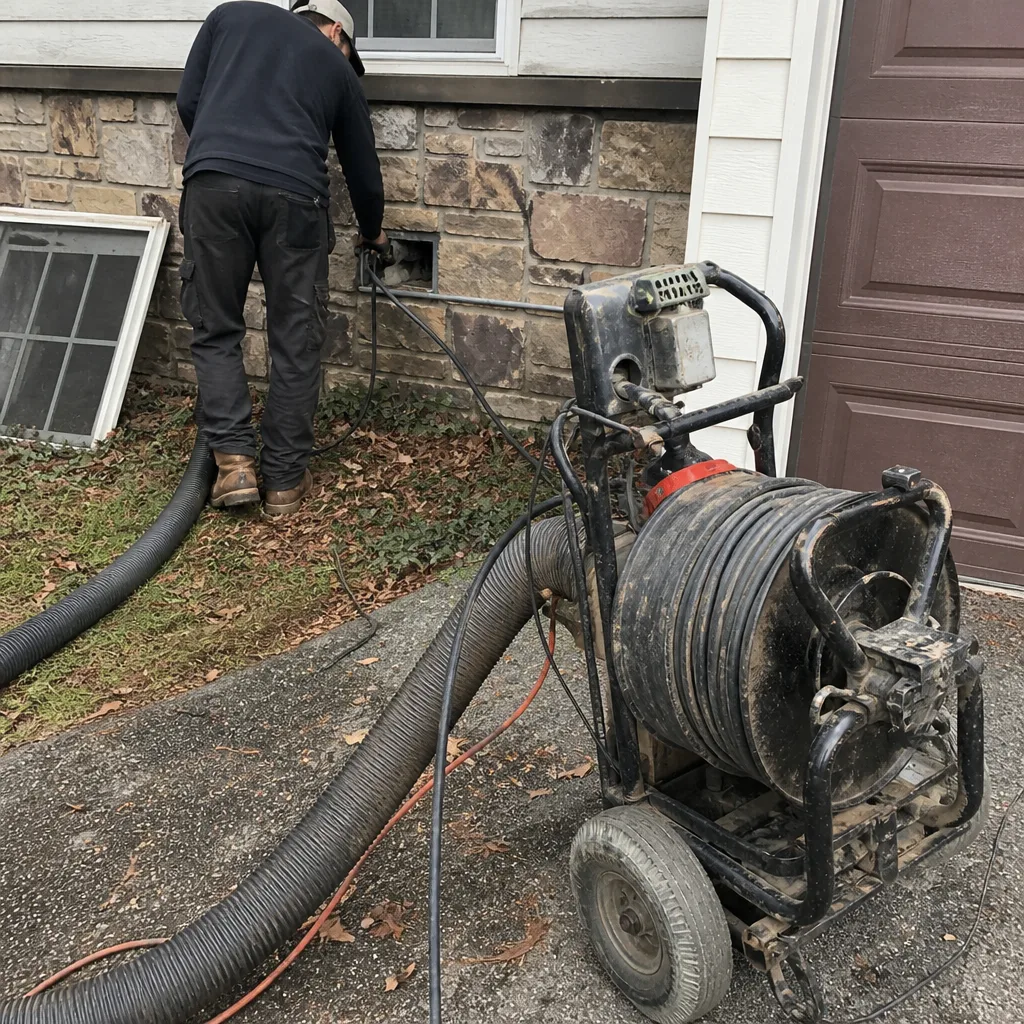 Before
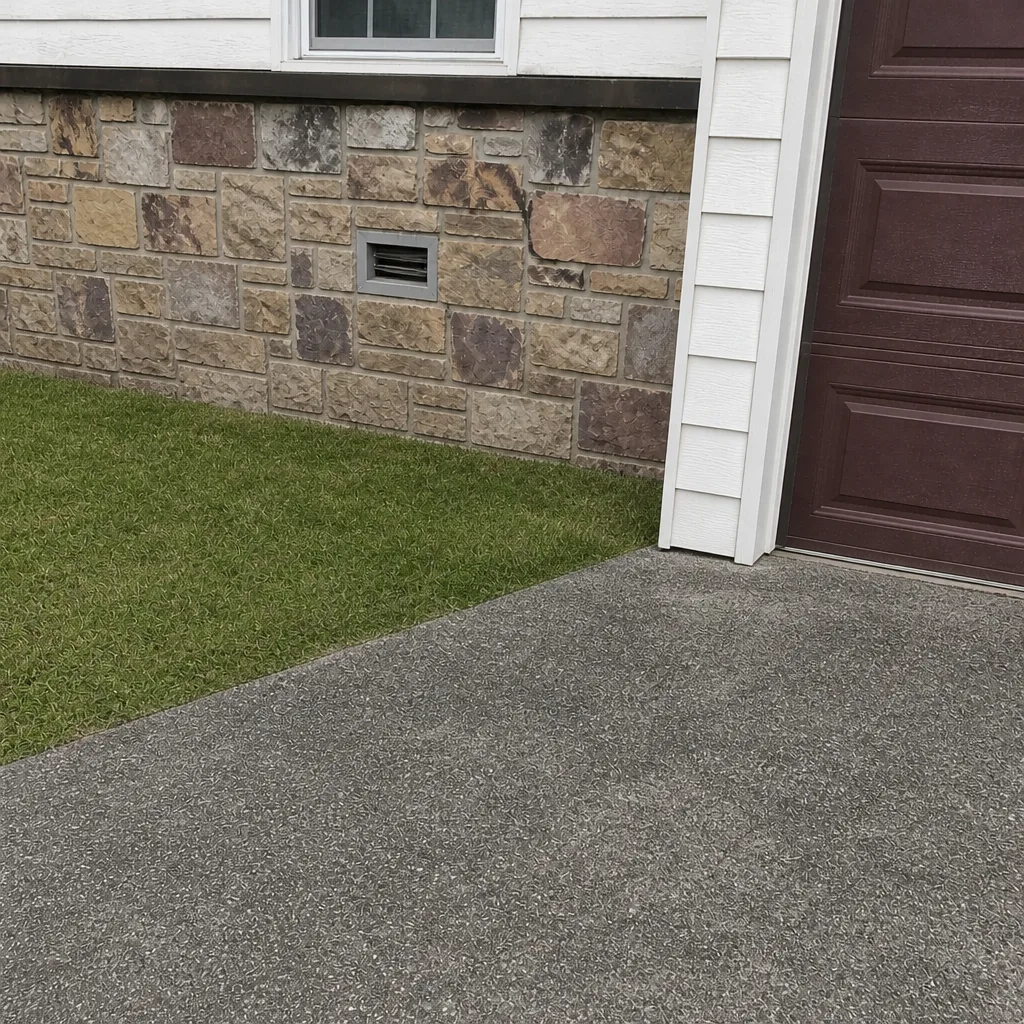 After
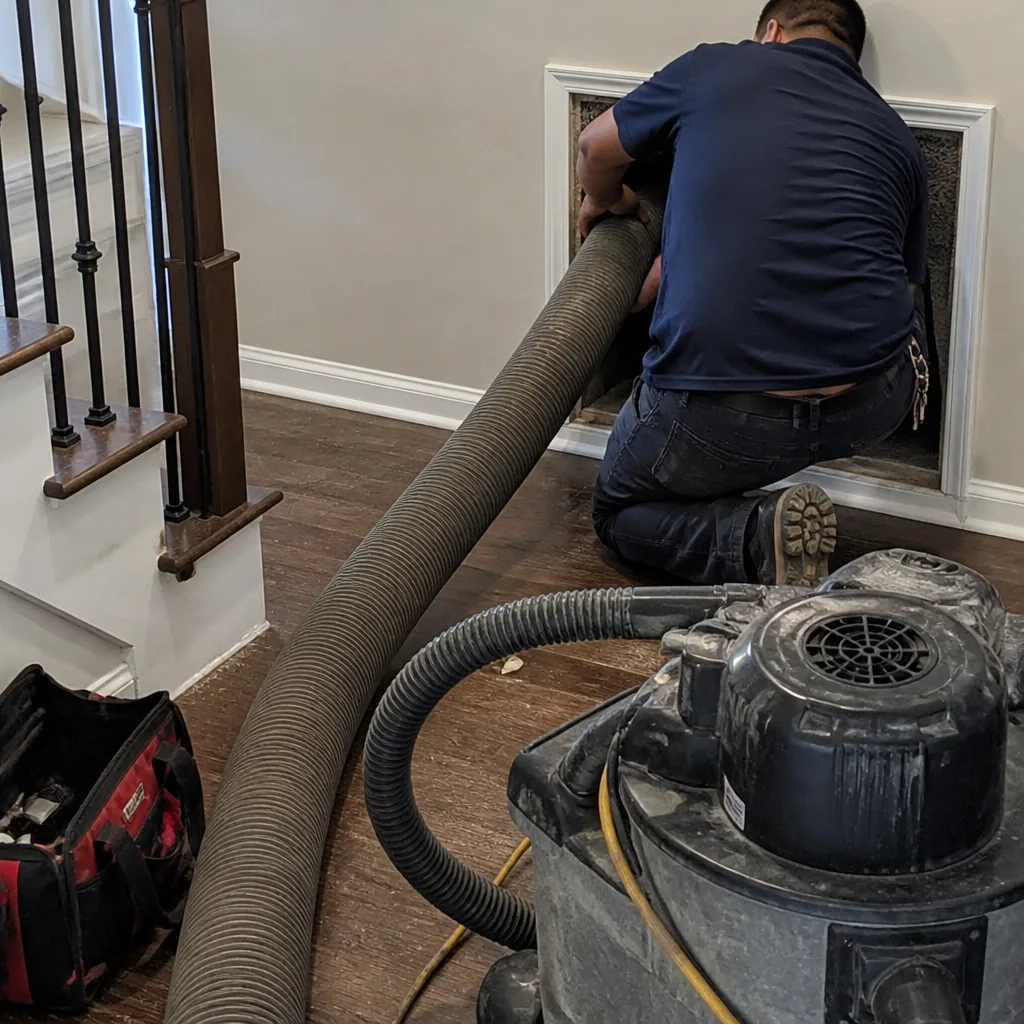 Before
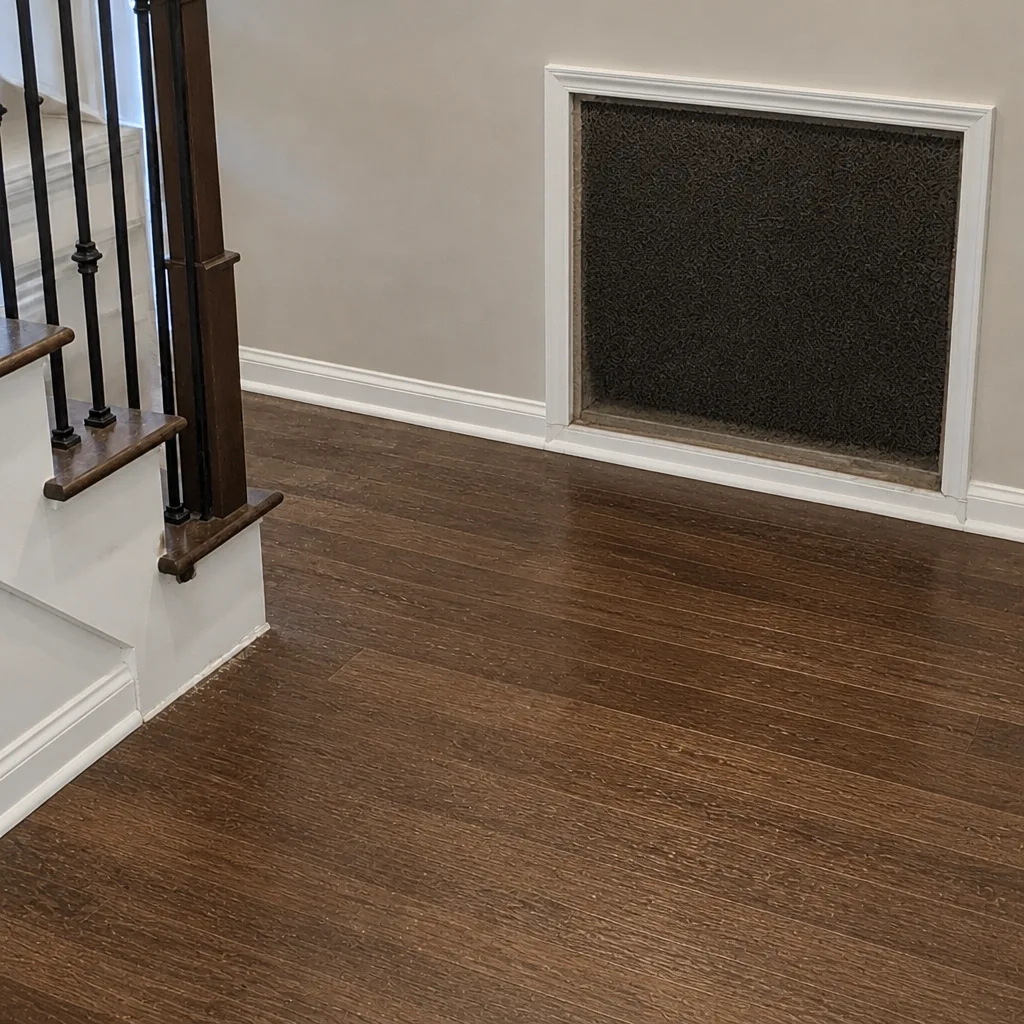 After
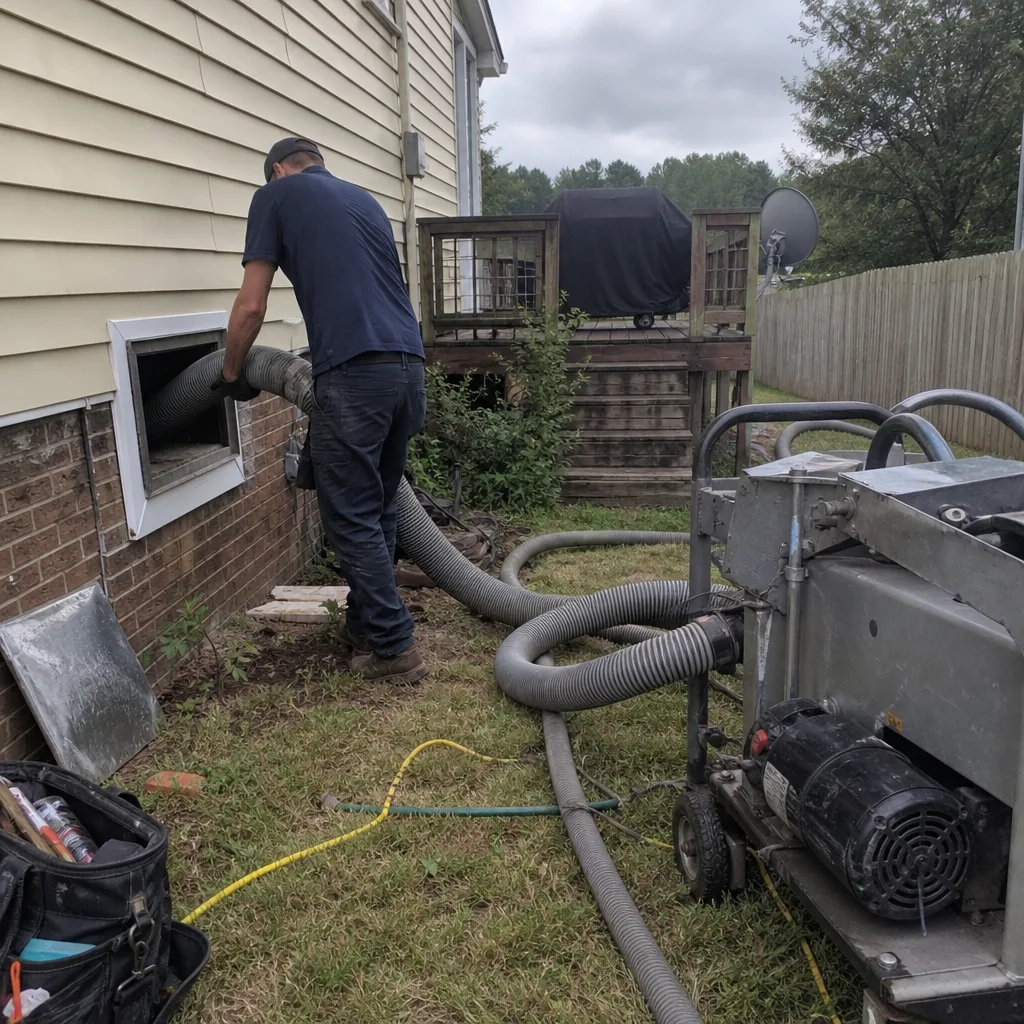 Before
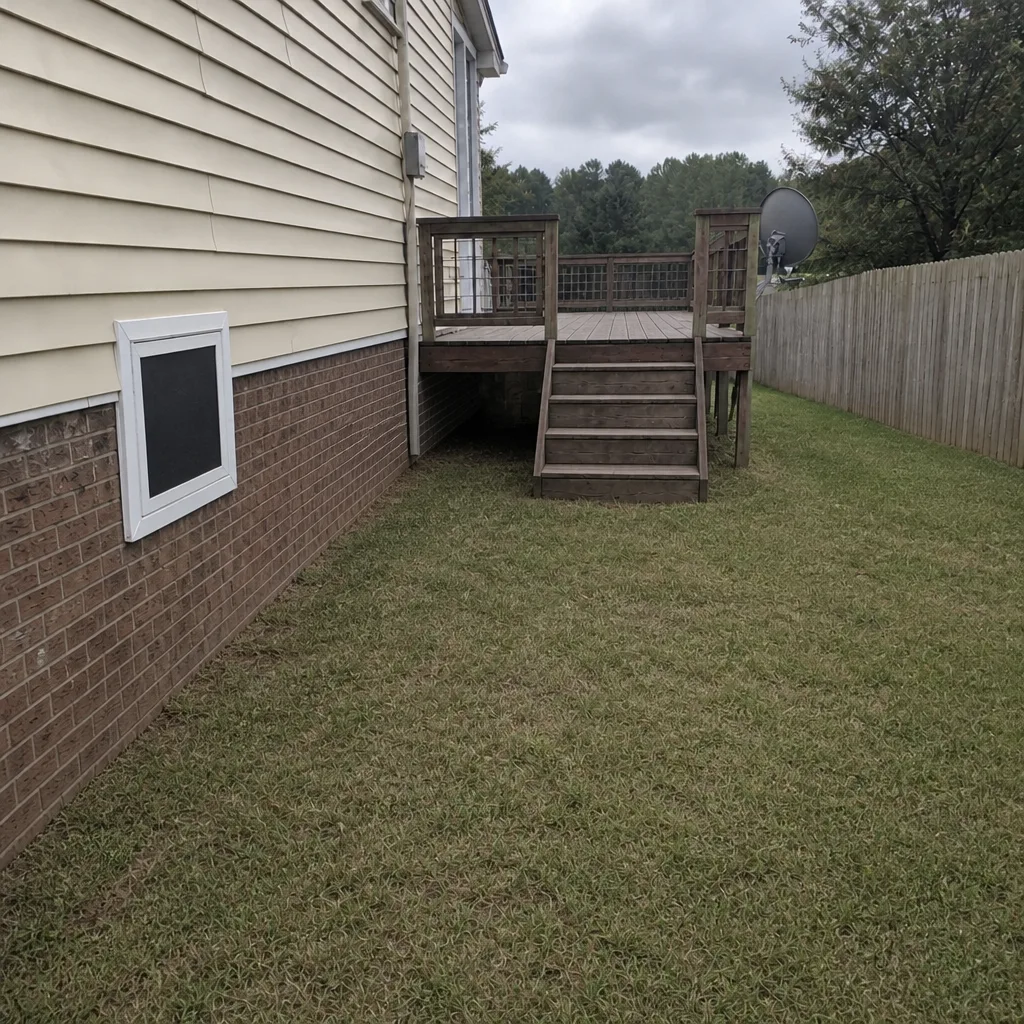 After
When to Call a Professional
If a duct cleaning visit has uncovered a problem that goes beyond routine cleaning, or if a technician has recommended cutting a new access panel, replacing duct runs, or entering the air handler cabinet to fix a leak, that’s the moment to get a professional assessment before work begins. A licensed contractor can tell you whether the work requires a permit, what the inspection process involves, and what documentation you’ll receive when it’s done. If you’re in an older Knoxville home with original ductwork and you’re not sure what’s been modified before, a professional walkthrough gives you the answer before you approve anything. Knoxville Air Duct Cleaning Experts offers free estimates in Knoxville. Call (844) 798-0184. We answer 24/7. Fast dispatch from 7am to 7pm, Sunday through Friday.
Frequently Asked Questions
Routine air duct cleaning in Knoxville generally does not require a permit, because it removes debris from an existing system without changing the system itself. Once the work involves replacing duct sections, cutting new access panels, or opening the air handler cabinet, a mechanical permit is typically required. Call (844) 798-0184 for an exact scope – estimates are free.
Cleaning removes what’s inside the duct system; repair changes the system itself. The permit question is entirely about the second category. In our experience, the cleanest estimate splits these into two line items so you can see exactly which tasks fall into which category before you approve anything.
Yes, in most cases a new access panel cut in Knoxville requires a mechanical permit, because an opening that wasn’t there before is a structural modification to the duct or equipment cabinet. If your system doesn’t currently have an access panel and cleaning requires one, that’s the moment to ask the permitting question. Call (844) 798-0184 to discuss the scope of your specific job before work starts.
Aerosol duct sealing is legal in Knoxville and in Tennessee generally, but it sits in a regulatory gray area because most codes don’t address it specifically. Ask the contractor for the product name, UL listing documentation, and a written post-job report showing the leak reduction achieved. A contractor who can’t provide those documents is a contractor to skip.
Contact the Knox County Department of Engineering and Public Works if your home is in unincorporated Knox County, or the City of Knoxville building department if you’re inside city limits. Ask for the permit record tied to your address, and ask whether any inspections remain open. Never take a contractor’s word alone; the record is what counts.
They can affect both. An insurer may scrutinize a claim that traces back to unpermitted work, and a buyer’s inspector will flag duct modifications without a permit during a sale. Keeping the permit and signed inspection record on file is the simplest way to avoid the problem. Call (844) 798-0184 for a free scope discussion before any repair enters the picture.
The Bottom Line
Air duct cleaning in Knoxville doesn’t typically require a permit, but the repair work that sometimes surrounds it does. Cleaning, sanitizing, and minor flex duct reconnection are permit-exempt. Duct replacement, new access panel cuts, trunk line modifications, and air handler cabinet work are regulated under the IMC as adopted by Tennessee and enforced by Knox County or the City of Knoxville. Aerosol sealing lives in a gray area where the paperwork matters as much as the product. The three things to keep in front of you: confirm your jurisdiction, verify the permit before work starts, and ask for the signed inspection when the job is done. That paper trail protects you at resale, during an insurance claim, and the next time a technician opens your system. If you’re not sure whether your job crosses the line, call (844) 798-0184. We answer 24/7. Fast dispatch from 7am to 7pm, Sunday through Friday.
Written by the team at Knoxville Air Duct Cleaning Experts.