
Last updated November 25, 2026
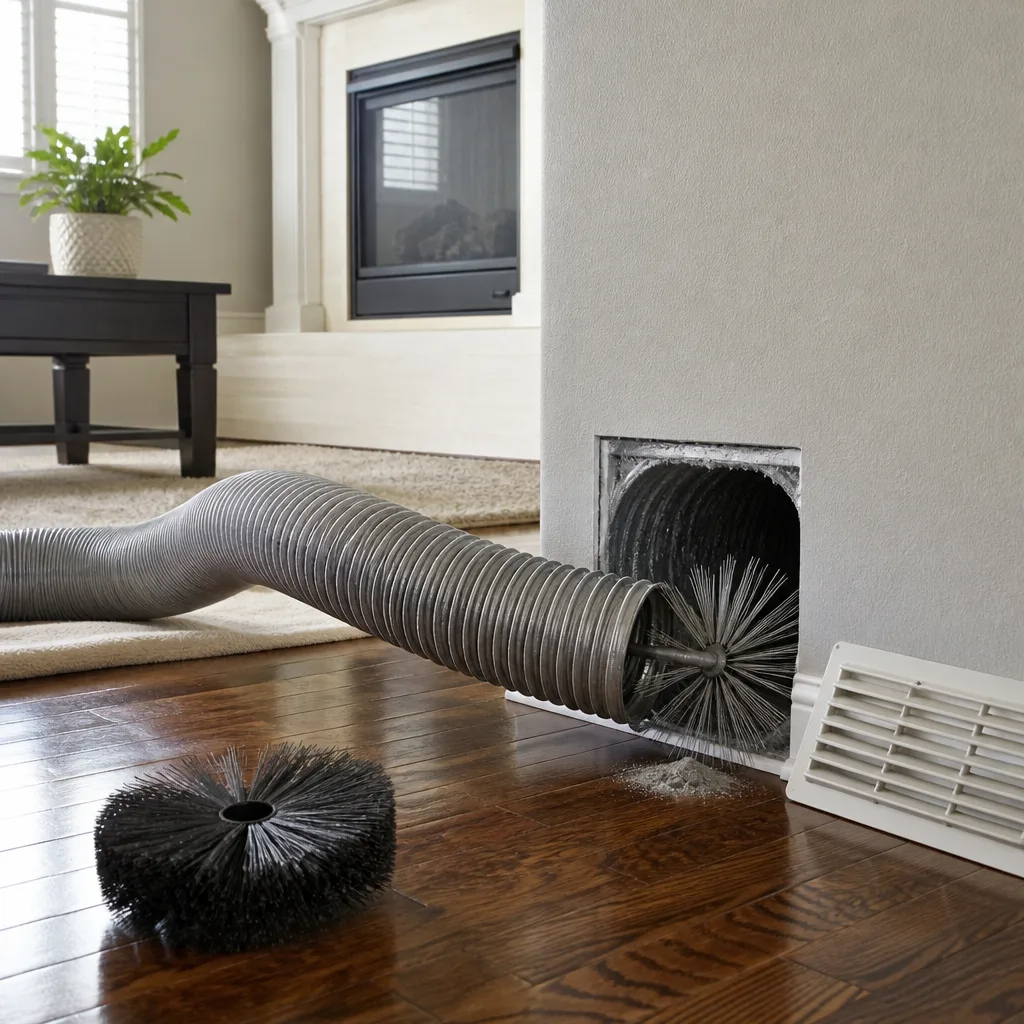 Whole-home duct cleaning
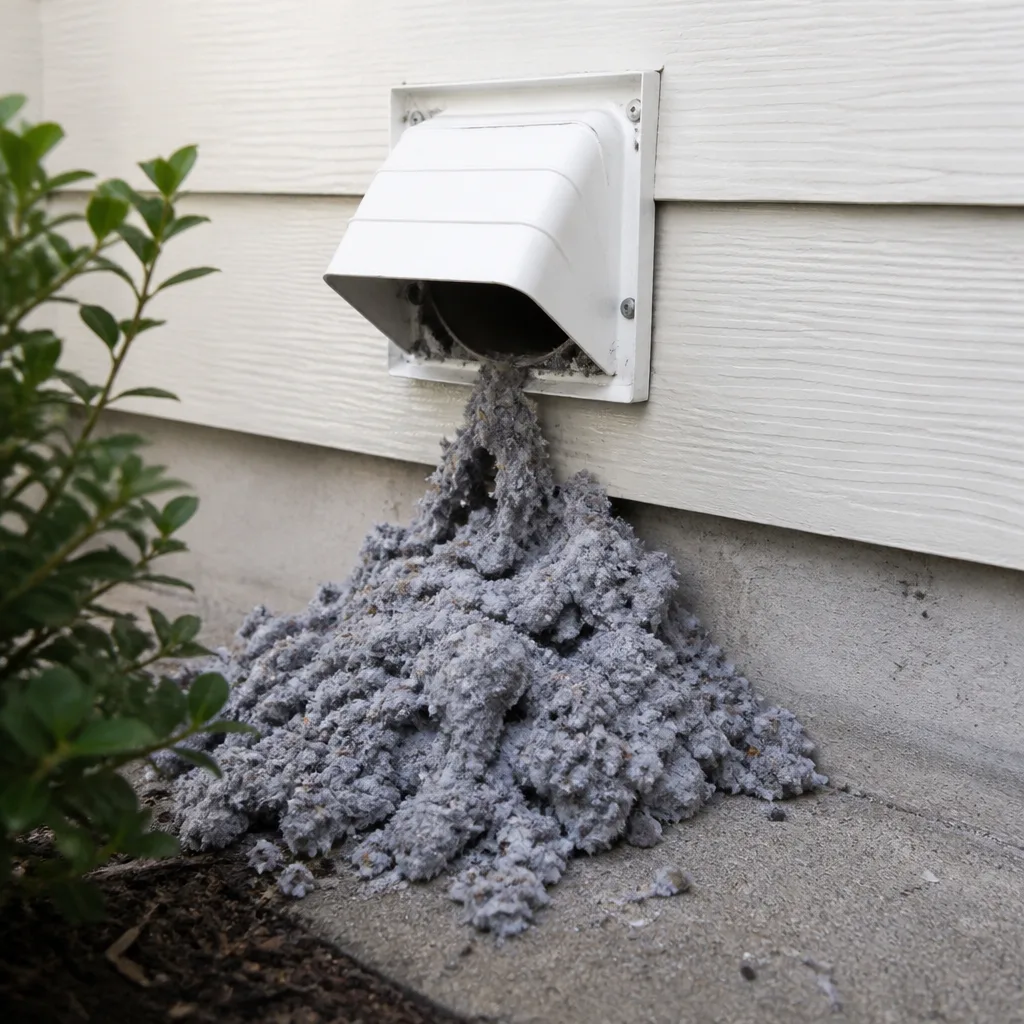 Dryer vent cleaning
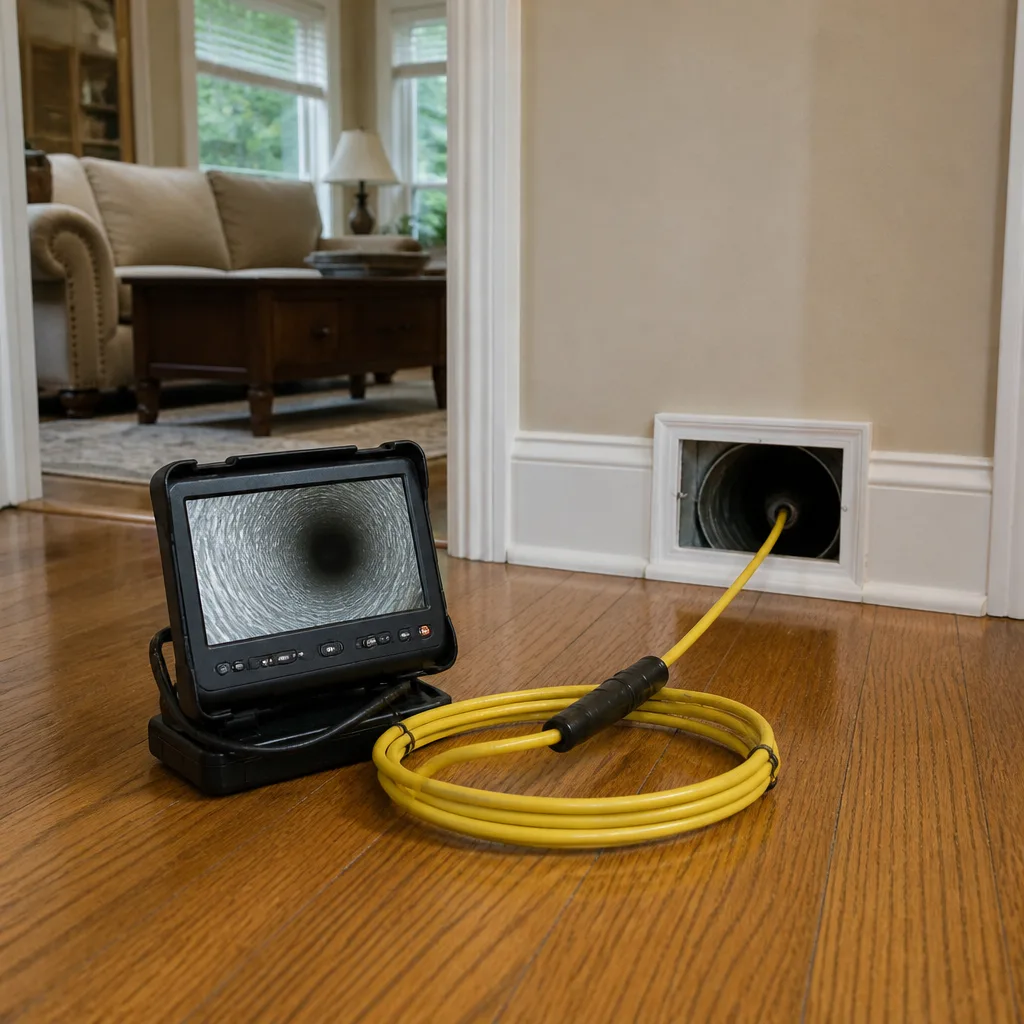 Camera inspection
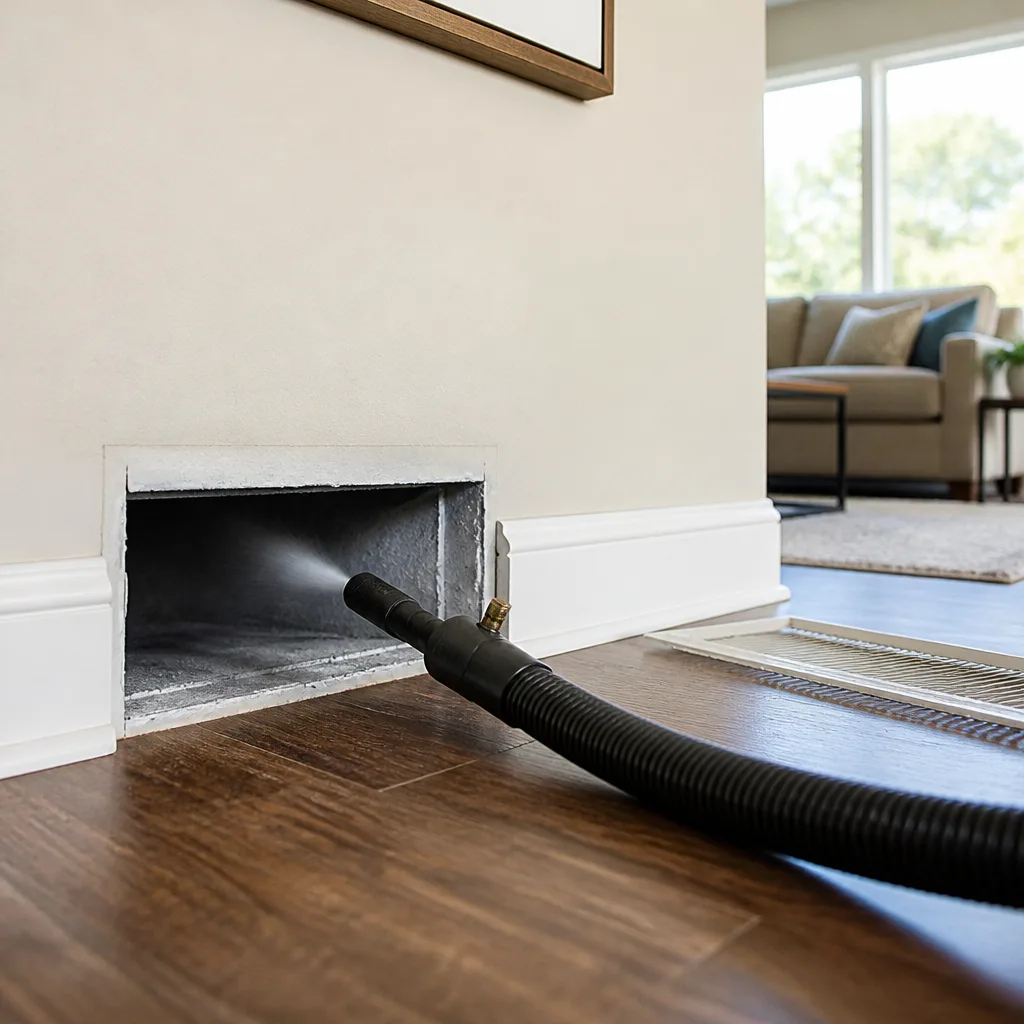 Sanitizing & deodorizing
Whole-system duct and dryer vent check with before-and-after photos - you see exactly what came out of your vents
That "$99 whole-house special" is a bait ad - the real number appears once they are in your hallway, or the "clean" is a shop-vac at the register. We photograph the inside of your ducts before and after instead.
Air Duct Cleaning Troubleshooting in Knoxville: Common Problems and How to Fix Them
If your ducts were “just cleaned” six months ago and your vents are dusty again, the cleaning didn’t fail. Something upstream in your system was never touched. That’s the uncomfortable truth we run into across Knoxville: a truck vacuums every register, the invoice gets paid, and the same dust and musty smell settle back in because the actual source – a leaking return, a contaminated coil, a collapsed run of flex duct – was never diagnosed. Cleaning is one task. Troubleshooting is another. This guide teaches you to trace each symptom back to its mechanical cause so you know exactly what to ask a technician, what a real inspection should cover, and what a complete air-pathway job in Knoxville actually involves.
Quick Answer
Persistent dust, uneven airflow, and musty odors after a cleaning are usually symptoms of incomplete system work, not poor cleaning. The three mechanical culprits behind most complaints are duct leakage (unsealed joints and return-side gaps pulling attic or crawlspace air into the system), contamination upstream of the ducts (coil and drain pan buildup), and airflow restriction (mis-set dampers, collapsed flex runs, blocked registers). Fixing the symptom without identifying which of those three is at work is why the problem returns.
Styles & brands we work with
- Whole-home duct cleaning
- Dryer vent cleaning
- Camera inspection
- Sanitizing & deodorizing
Table of Contents
- Contamination problem or leakage problem? Test it
- Why musty odors come back after cleaning
- Uneven room airflow that isn’t a cleanliness issue
- Dust returning fast: filter bypass and return-side gaps
- The tissue test and static pressure clues
- How to document symptoms before you call
- What Knoxville homes do to ductwork
- Repair and sealing: closing the gaps for good
Contamination problem or leakage problem? Here’s how to tell them apart
Contamination and leakage produce similar complaints – dust, odors, poor air quality – but they require completely different repairs. Contamination means the inside of the duct system is dirty and needs extraction and sanitizing. Leakage means the ducts are pulling unconditioned air from an attic, crawlspace, or wall cavity into the living space. If you clean a leaking system, you’ve done the expensive part and fixed nothing. The distinction matters before anyone quotes a job in Knoxville, because the fixes don’t overlap.
Here’s how to tell them apart on your own:
- Where the dust collects. Contamination pushes dust evenly out of every register. Leakage tends to concentrate dust on the return grille and the rooms closest to it, because that’s where unfiltered air enters.
- Smell vs. presence. Contamination usually has a smell (musty, stale). Leakage usually doesn’t – it just moves extra dust and changes temperature. Air that’s noticeably hotter or colder at a register than the room often points to a leak pulling attic or crawlspace air.
- Seasonal pattern. Leakage complaints spike in extreme weather because the temperature gap between duct air and attic air grows. Contamination complaints are year-round.
- Filter loading. A return that loads a filter in weeks instead of months usually means unfiltered air is bypassing or entering downstream of the filter – a leakage and bypass problem.
In our experience troubleshooting Knoxville homes, most “our ducts are dirty again” calls turn out to be leakage or bypass, not a failed cleaning. A professional inspection confirms which by pressurizing the system and reading static pressure, not just by looking inside a vent.
Why musty odors come back after a cleaning
Musty odor returning within weeks of a cleaning almost always means the biological source is somewhere the vacuum never reached. Cleaning the ducts does nothing for a mold-colonized evaporator coil, a sludged drain pan, or deteriorating duct liner. Until you identify which of those three is producing the smell, every cleaning is temporary. Knoxville’s humid summers give mold and mildew plenty of working conditions, and a cooling system that runs hard all summer condenses water where contamination likes to grow.
The three usual sources, in order of how often we see them:
- Coil contamination. The evaporator coil sits wet for months. Dust that settles on it feeds microbial growth. Air blowing across a dirty coil carries the smell through every duct in the house. A duct cleaning that skips the coil misses the source.
- Drain pan buildup. The pan under the coil collects condensate plus dust. When it doesn’t drain fully, standing water turns into a biofilm. Smell enters the airstream directly above it.
- Liner degradation. Older duct systems with internal fiberglass liner can break down. The liner surface traps moisture and dust, and once it’s failing, no amount of brushing restores it. Failing liner is a repair or replacement question, not a cleaning one.
Distinguishing these three is the job of a full-system inspection. If a technician cleans and leaves without opening the air handler and checking the coil and pan, expect the smell back.
Uneven room airflow that has nothing to do with dirty ducts
Weak airflow to one room is rarely a cleanliness problem. Clean ducts don’t change how much air a room gets. Uneven airflow is a distribution problem, and it has three common mechanical causes – none of which a duct cleaning addresses. Chasing it with repeated cleanings wastes money. Here’s where to look:
- Damper position. Branch dampers in the supply trunk are often left partly closed from old balancing attempts. A damper half shut can starve a room for years. Sometimes it’s a five-minute adjustment.
- Flex duct collapse. Flexible duct run through a hot attic can sag, kink, or crush under its own weight or under insulation. A collapsed run delivers almost no air no matter how clean the inside is. This is common in Knoxville attics where flex duct runs long distances.
- Register and grille blockage. Furniture, rugs, or paint-clogged grilles cut flow at the delivery point. Sounds obvious, but it’s the first thing to rule out.
- Undersized or disconnected runs. A duct that’s too small for the room, or one that has pulled loose at a boot, moves far less air than it should. The fix is repair and reconnection, not cleaning.
Before you assume your ducts need cleaning, walk the house and note which rooms are weak, whether the weakness is constant or seasonal, and whether closing other registers changes it. Then ask a technician to check damper positions and inspect flex runs – that’s where the answers usually live.
Dust returning fast after cleaning: filter bypass and return-side gaps
Dust that returns within a few months points to air entering the system unfiltered – a bypass problem. Either the filter doesn’t seal against its frame, or the return ductwork has gaps that pull air in downstream of the filter. In both cases, the filter stops doing its job even though it looks installed. Clean ducts, but unfiltered air, means dirty ducts again by next season. The fix is sealing the filter frame and the return-side gaps, not cleaning more often.
Why filter bypass matters more than people realize: a filter only works if all return air passes through it. A half-inch gap around the filter edge means a meaningful share of air skips the filter entirely. That air carries attic dust, crawlspace debris, and whatever else the return passes through straight into the supply side. The system stays dirty because it never stops being fed dirt.
Return-side gaps are the second half of the problem. Return ductwork runs through attic and crawlspace in many Knoxville homes, and joints there are often loose, taped with failing duct tape, or simply disconnected. Every gap pulls in outside air. When someone inspects a system for “dust returning fast,” the first thing they should check is the filter seal and every return-side joint. A full-system inspection does this. A vent-cleaning-only service does not.
The tissue test and static pressure clues: diagnosing leakage without opening a wall
The tissue test is the simplest way to spot duct leakage in a home, and you can run it yourself in about ten minutes. It won’t pinpoint a leak, but it tells a technician where to look. Static pressure readings are the professional version of the same idea, and together they distinguish a leak from a restriction.
How to run the tissue test:
- Turn the system fan to “on” so air circulates continuously.
- Hold a single ply of tissue against the joint between a supply register and the wall or ceiling.
- Watch for pull. Strong suction at the register-to-wall seam means the boot connection is leaking and pulling room air or wall-cavity air into the duct.
- Check return grilles the same way – suction at the grille frame means the return boot leaks, which is common and often the biggest single leak in a house.
- Note which locations draw the tissue in. That list is what you hand the technician.
Static pressure tells the professional story. High static pressure across a filter or coil means restriction; low static pressure with high fan output often means leakage. A technician measuring static pressure can tell the difference between a system that’s chocked and one that’s leaking – and those two problems have opposite fixes. Ask any inspector whether they measure static pressure. If they only vacuum, they’re guessing.
How to document your symptoms so a technician can actually help
Vague complaints like “the air feels dusty” force a technician to start from scratch. Specific observations let them go straight to the likely cause. This is the single biggest thing a homeowner can do to get a real diagnosis instead of a generic cleaning quote. Spend fifteen minutes before you call and you’ll save yourself a second visit and a wasted job.
What to record:
- Which rooms, which vents. Note the exact registers where dust, smell, or weak flow shows up. “The guest room and the return in the hall” is useful. “Around the house” is not.
- Before and after cleaning. If the ducts were cleaned, note whether anything changed and how soon the problem came back.
- Timing. Constant, seasonal, or only when the AC runs? That narrows contamination vs. leakage vs. restriction immediately.
- Filter behavior. How often the filter is replaced and what it looks like when you pull it. A filter that loads in weeks is a signal.
- Any recent work. Renovations, roof work, or added insulation kick up dust and can disturb duct connections. Say so.
Hand this list to the technician before they start. In our experience, a homeowner who documents symptoms gets a more accurate assessment because the technician knows what to test, not just where to point the vacuum. And ask for before-and-after photos of the system they actually worked on – the inside of your ducts, not a stock image.
What Knoxville homes do to ductwork
Knoxville’s climate and housing stock shape duct problems in specific ways, and understanding them makes the symptoms easier to interpret. Knoxville summers are humid – long stretches of high dew point mean the cooling coil and drain pan stay wet for months, which is prime growing space for microbial contamination. The result is that musty odor complaints dominate Knoxville summers, far more than dust complaints. A duct system cleaned in April without the coil and pan addressed will usually smell like a basement by July.
Winters swing the other way, and heat pump and furnace operation in Knoxville homes dries the airstream out. That’s when dust complaints peak, because the system is moving drier, dustier air. Neither of these is a cleaning failure. They’re seasonal patterns that a proper full-system approach accounts for.
The housing matters as much as the weather. Older East Tennessee homes often have ductwork that’s been patched, rerouted, or added to over the years, with flex duct run through attics and crawlspaces that get hot. Those conditions age flex duct faster, and collapsing or disconnected runs are common. In neighborhoods where homes were built during fast growth periods, duct sealing is often thin and joints loosen over time. The takeaway: in Knoxville, checking the duct system’s integrity matters as much as cleaning the inside. Learning to read the climate and the housing together is what separates a real diagnosis from a generic quote.
Repair and sealing: closing the gaps so the symptom stays fixed
If the diagnosis points to leakage, cleaning won’t solve it – repair and sealing will. This is the part most duct-cleaning-only services can’t do, and it’s why the same homeowners call back every year. Sealing the leaks closes the path for attic, crawlspace, and wall-cavity air, which cuts the dust load and stabilizes temperature at the register. Sealing the filter frame restores the filter’s actual job. Repairing a collapsed flex run or a disconnected boot restores airflow to that room.
A complete finishing sequence looks like this:
- Clean the system with equipment designed for it – rotary brush and HEPA extraction, with negative-air containment to keep dust out of living space during the work.
- Inspect and address the coil and drain pan so the odor source is gone, not just the dust.
- Seal accessible leaks at boots, joints, and the filter frame with proper sealant, not tape that fails in attic heat.
- Repair or replace collapsed or disconnected runs, then recheck airflow room by room.
- Sanitize the cleaned system and, where appropriate, note air quality products that support filtration and humidity control for the long term.
This is what a full air-pathway job means: we clean it, repair it, seal it, and sanitize it. Not every system needs every step, and a written estimate should say exactly which ones yours does. That’s the difference between a repair and a recurring bill.
Common Mistakes to Avoid
- Assuming a recent cleaning failed. If dust or smell is back within months, the likely cause is a leak, bypass, or coil problem that cleaning never addressed. Diagnose before you pay to clean again.
- Choosing on price alone. A low headline price with added per-vent charges usually signals a flat rate that grows once the technician is inside. Ask for one flat price per system agreed before work starts.
- Skipping the air handler. If the coil and drain pan aren’t opened and checked, the biggest odor source gets a pass. Confirm that’s part of the inspection.
- Trusting a “clean” that’s never verified. You should be able to see before-and-after photos of your own system. If you can’t, ask why.
- Treating airflow as a cleaning problem. Weak rooms are usually damper, flex duct, or register issues. Cleaning doesn’t change how much air a room receives.
- Replacing filters constantly instead of fixing the seal. A filter that loads in weeks means bypass or return-side gaps. Fix the seal, not the filter.
- Ignoring Knoxville’s seasonal pattern. Humid summers grow odors on wet coils; dry winters move dust. Expecting one cleaning to solve both is why complaints recur.
See the difference
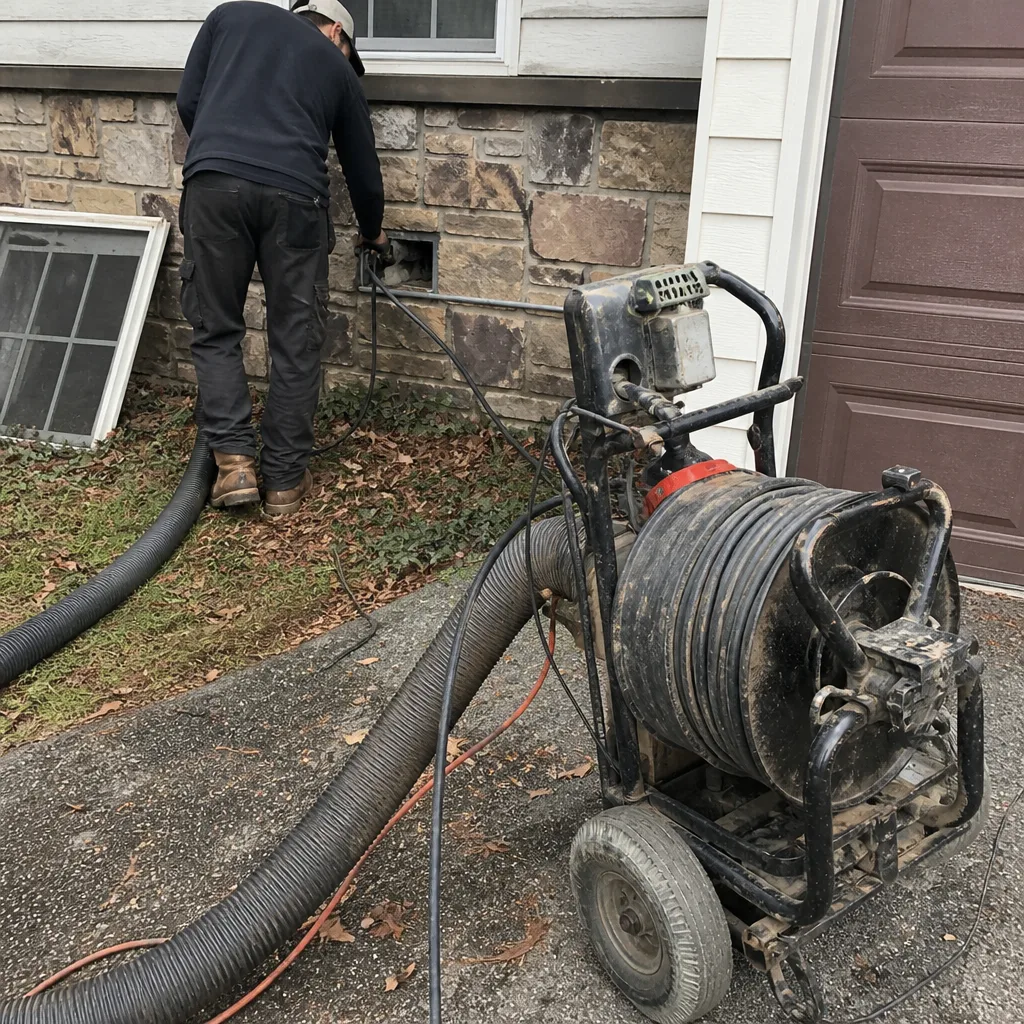 Before
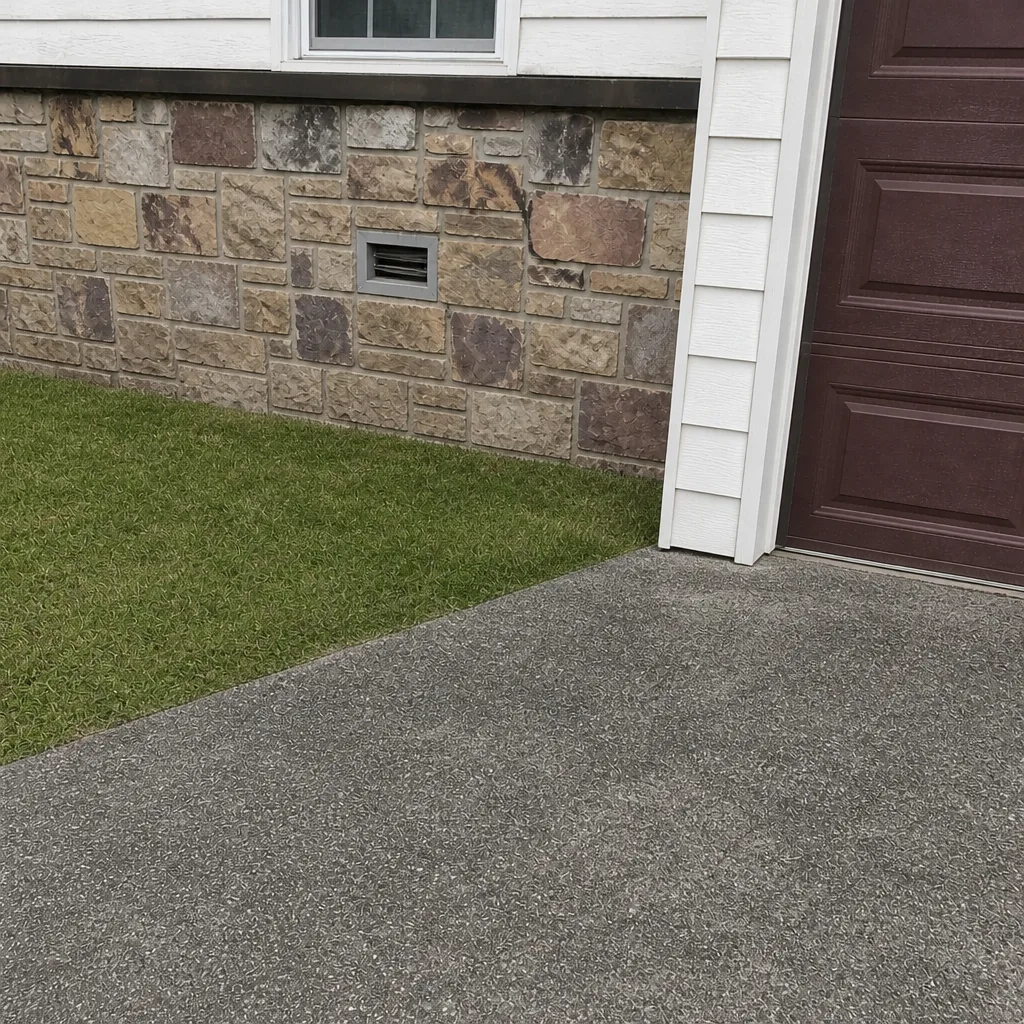 After
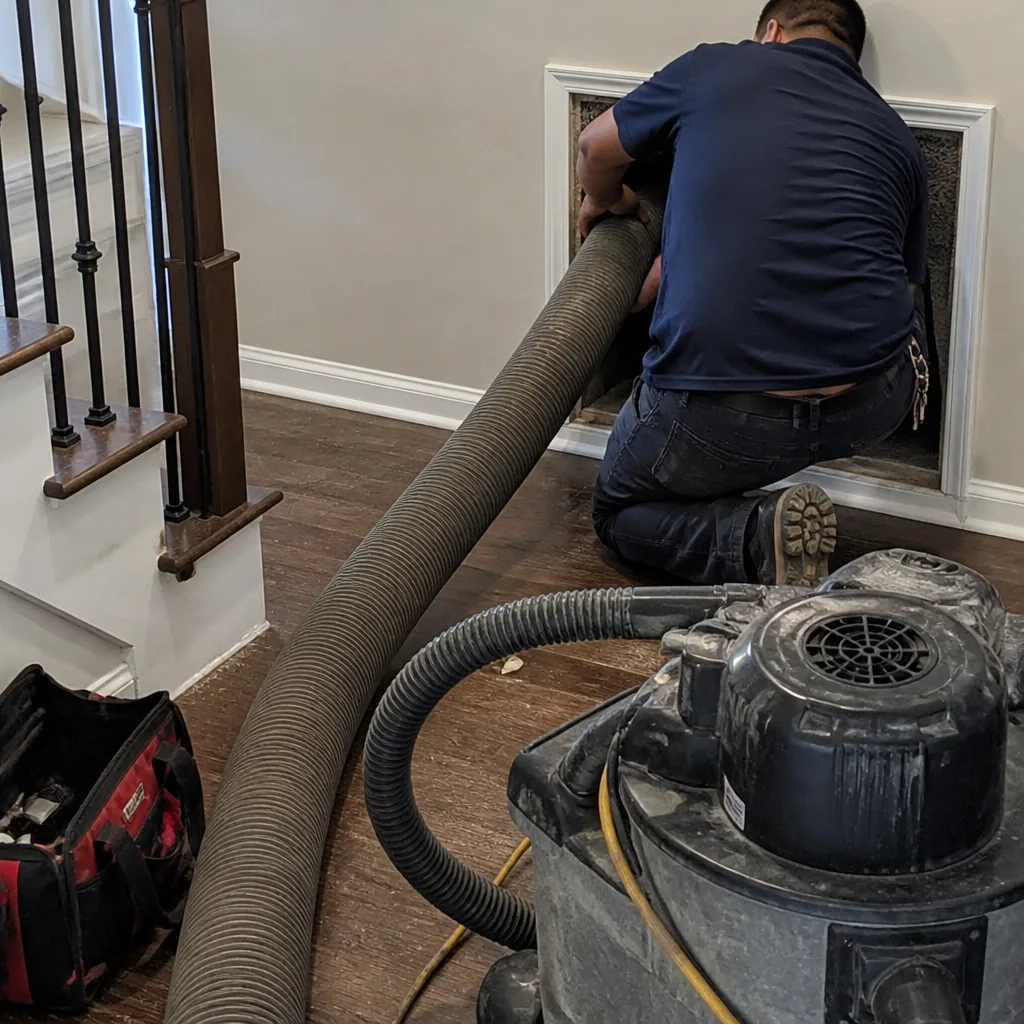 Before
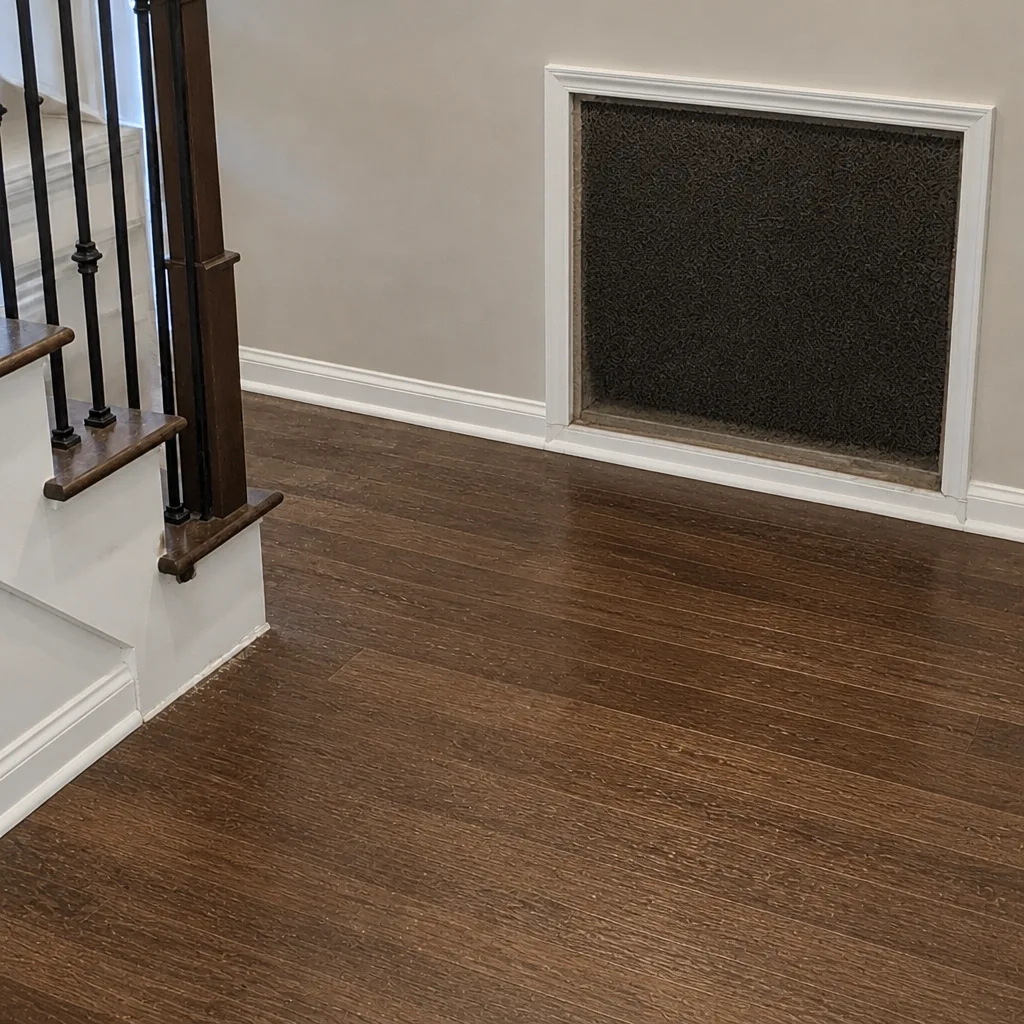 After
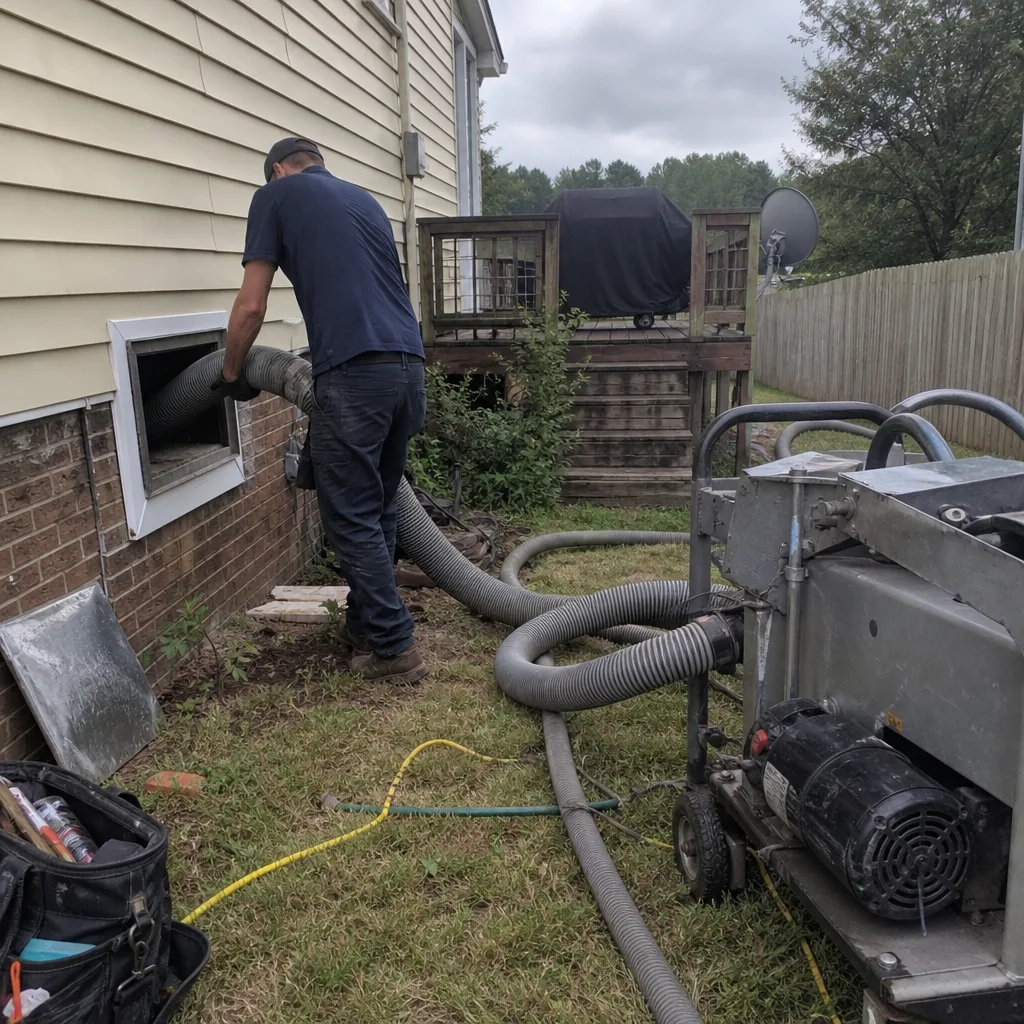 Before
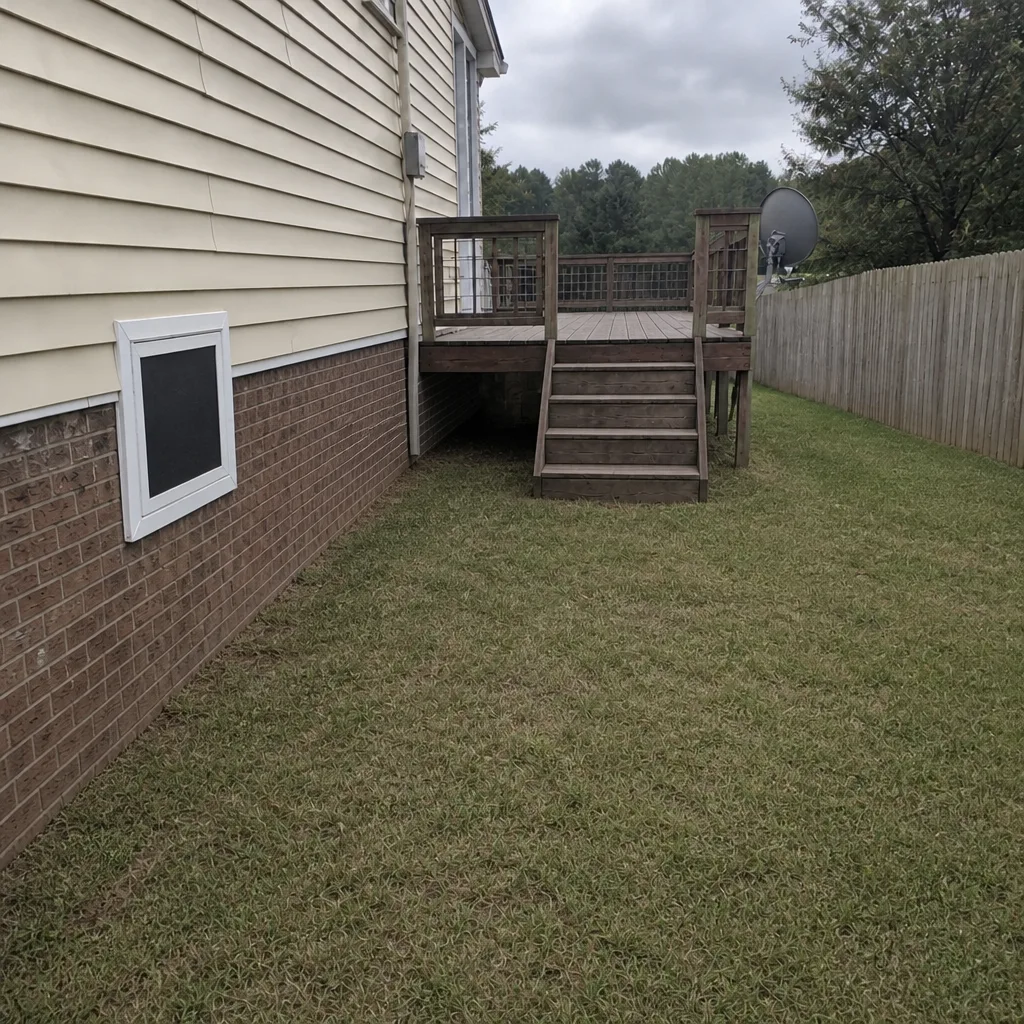 After
When to Call a Professional
Call a professional when a symptom keeps coming back after a prior cleaning, when you smell mustiness every time the AC or heat runs, when a room has stayed weak no matter what you do with the registers, or when a filter loads up in weeks instead of months. Those are signs the system needs a full inspection and likely repair and sealing, not another vacuum pass. High-static-pressure symptoms, disconnected runs, and coil contamination are jobs for trained technicians – and the safety side matters too. Electrical and gas components near the air handler should never be opened by a homeowner. Because the work involves the air pathway from equipment to output, the right call is one that covers cleaning, repair, sealing, and sanitizing together. Knoxville Air Duct Cleaning Experts offers free estimates in Knoxville – call (844) 798-0184. We answer 24/7. Fast dispatch from 7am to 7pm, Sunday through Friday, closed Saturday. Estimates are free, and the price is set per job by a written estimate before any work starts.
Frequently Asked Questions
Air duct cleaning in Knoxville is typically priced as one flat rate per system, not per vent, with the written estimate confirming the final number after the technician inspects the system. Whole-system jobs usually fall within a range that depends on the size of the home, the number of systems, and whether repair and sealing are needed. Call (844) 798-0184 for an exact quote – estimates are free.
Cheap quotes are usually teaser prices that only cover the visible vents, with the real cost arriving as per-vent charges once the technician is on site. A reputable job states one flat price per system before work begins and includes the coil, filter frame, and returns. Ask what the price includes and whether it’s final. Call (844) 798-0184 for a straightforward estimate.
The clearest proof is before-and-after photos of your own ducts, taken during the job. Ask for them up front. A company that can’t show you the inside of your system before and after hasn’t proven anything. Call (844) 798-0184 to schedule a free estimate and see how the process is documented.
For most homes, cleaning every few years is reasonable – but the real trigger is symptoms, not a calendar: recurring dust, musty odors, recent renovation, or a filter that loads unusually fast. If the system has leaks or a dirty coil, cleaning frequency won’t fix it. The repair does. Call (844) 798-0184 for an assessment before booking a cleaning.
Fast-returning dust usually means unfiltered air is entering the system – through a filter frame that doesn’t seal or gaps in the return ductwork. Cleaning removes dust; sealing the entry points keeps it out. That’s why filter bypass and return-side gaps are the first things to check. Call (844) 798-0184 if you’d like a full-system inspection.
Often yes, and it usually isn’t a cleanliness issue. Weak airflow usually traces to damper positions, collapsed flex duct, or blocked registers – all fixable with repair and adjustment rather than cleaning. A proper inspection confirms which one. Call (844) 798-0184 to book an estimate.
The Bottom Line
Most duct complaints after a cleaning are symptoms of work the cleaning never did: leaks pulling unfiltered air in, a coil or drain pan feeding odor back into the airstream, or airflow restrictions no vacuum can touch. Reading those symptoms accurately – contamination vs. leakage, odor source vs. dirty ducts, restriction vs. dampers – is what turns a recurring problem into a one-time fix. If your Knoxville home keeps sending you back to the same complaint, get an inspection that covers the whole air pathway and a written estimate. Call (844) 798-0184. We answer 24/7. Fast dispatch from 7am to 7pm, Sunday through Friday.
Written by the team at Knoxville Air Duct Cleaning Experts.