
Last updated November 25, 2026
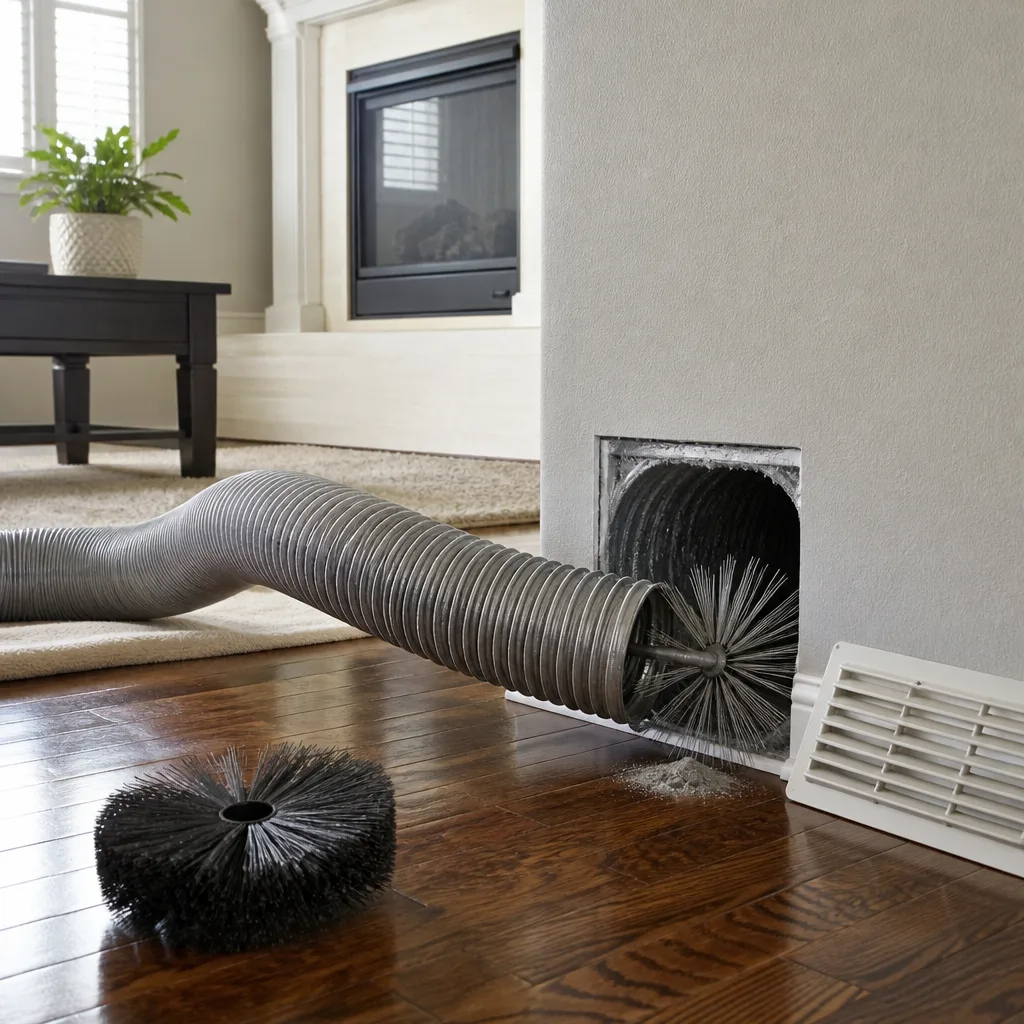 Whole-home duct cleaning
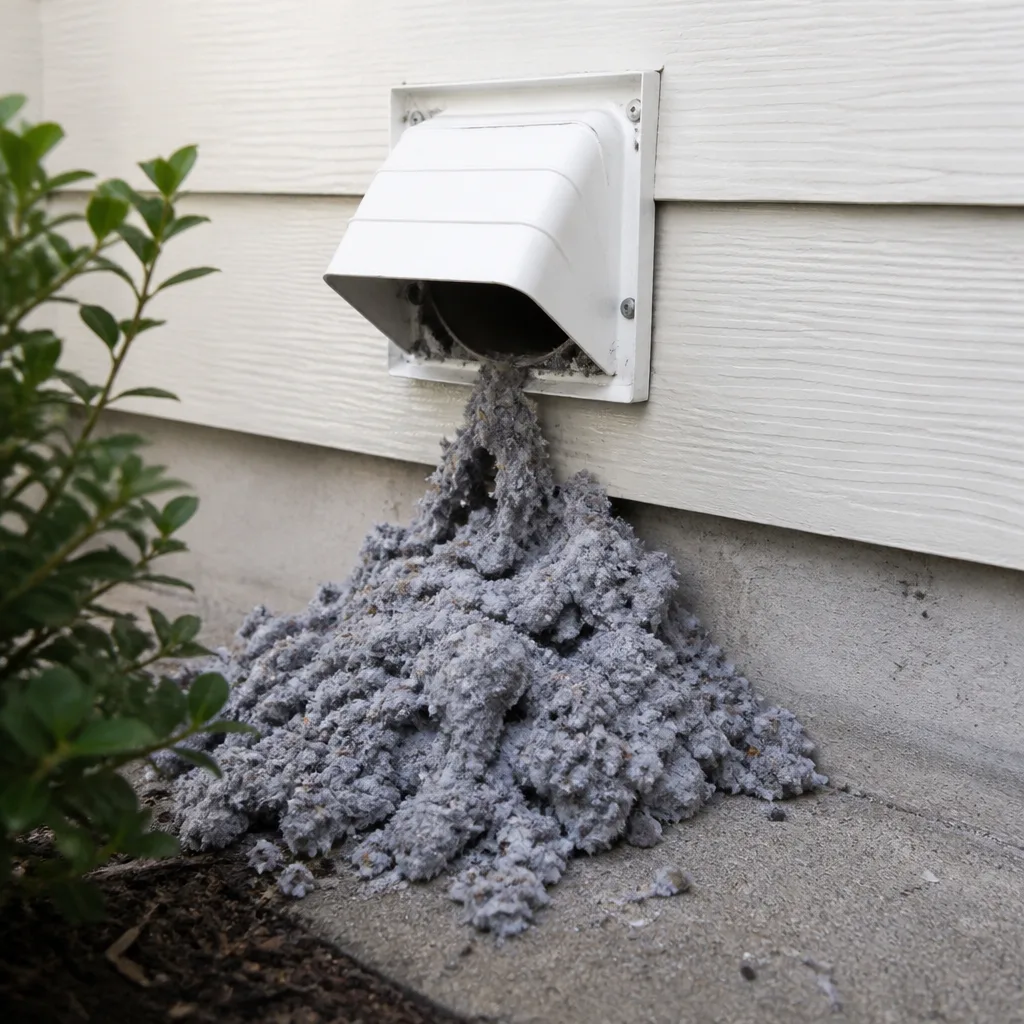 Dryer vent cleaning
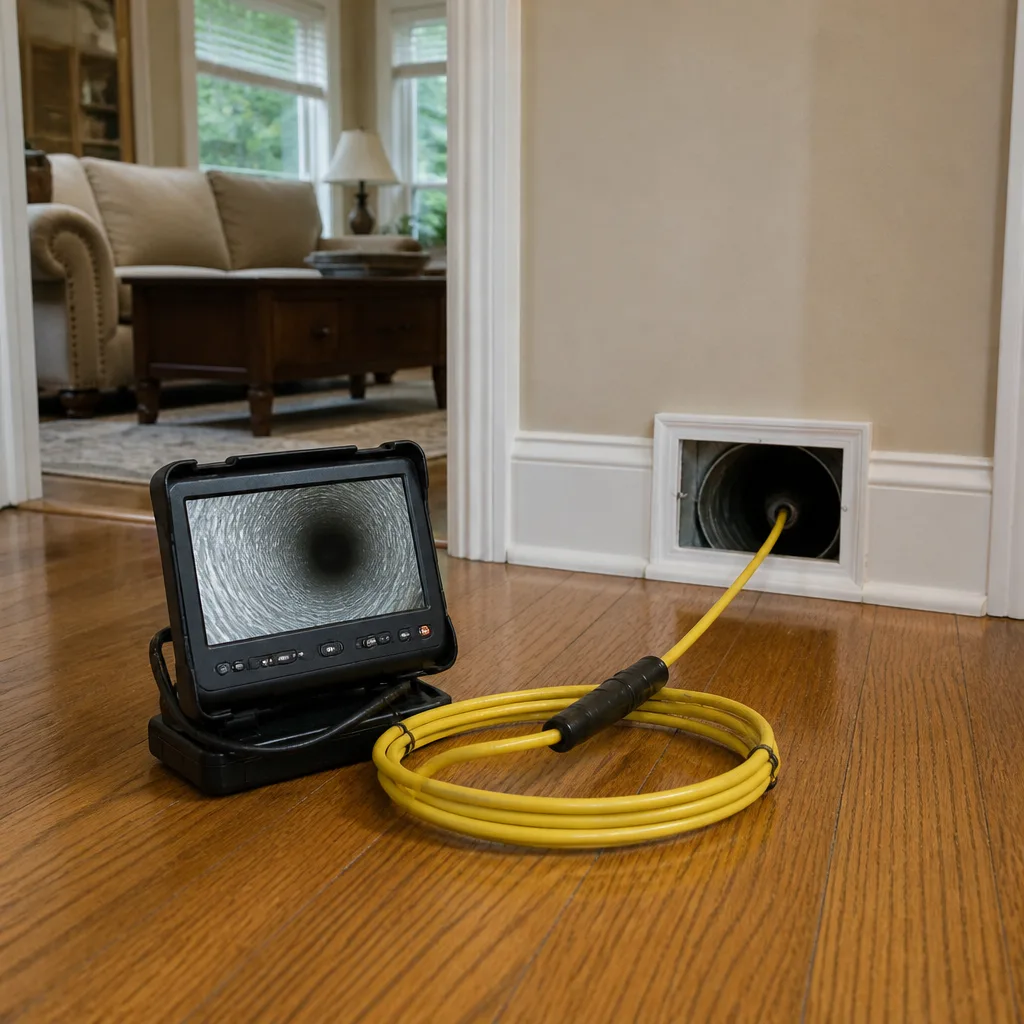 Camera inspection
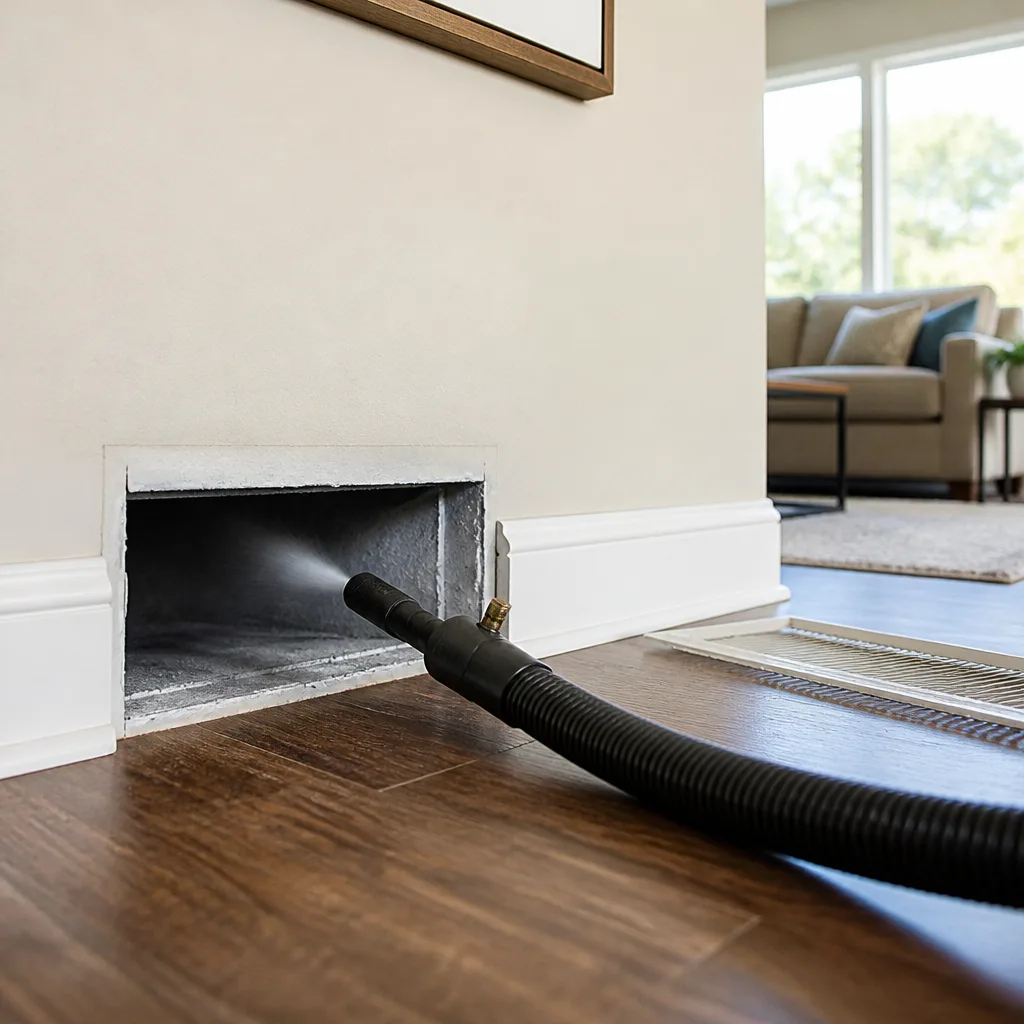 Sanitizing & deodorizing
Whole-system duct and dryer vent check with before-and-after photos - you see exactly what came out of your vents
That "$99 whole-house special" is a bait ad - the real number appears once they are in your hallway, or the "clean" is a shop-vac at the register. We photograph the inside of your ducts before and after instead.
Air Duct Cleaning Emergency Preparedness Guide for Knoxville Homes
When water reaches the floor-level return grilles after a basement flood, most Knoxville homeowners do the right thing for the walls and floors and the wrong thing for the air: they call a water remediation company and never think about the duct system. Remediation crews dry drywall, pull wet carpet, and run dehumidifiers. They almost never open the ductwork, and the contaminated water that pooled around a return grille has already been pulled into the whole air pathway if the system ran at all. Smoke from a neighbor’s fire, tornado debris in an outdoor unit, or a long summer outage with the AC off all create the same quiet problem. This guide gives you a specific plan for each of those four scenarios, which ones mean shut the system off immediately, and how to document the damage so an insurance claim actually clears.
Quick Answer
Any time water, smoke, or storm debris reaches your ductwork or the equipment feeding it, treat it as a duct system emergency and shut the air handler off until the system is inspected and cleaned. The four events that most often require immediate duct response in Knoxville are flood or water intrusion, fire and smoke infiltration, severe storm debris in exterior units, and extended power outages during peak summer humidity. Document everything before cleanup begins, then get the full air pathway professionally cleaned, repaired, sealed, and sanitized rather than just the visible vents.
Styles & brands we work with
- Whole-home duct cleaning
- Dryer vent cleaning
- Camera inspection
- Sanitizing & deodorizing
Table of Contents
- Why duct emergencies get missed in Knoxville
- The four duct emergencies Knoxville homes actually face
- First-response steps before anyone arrives
- How water entry point changes the cleaning scope
- Storm and tornado-adjacent debris in outdoor units
- Extended summer outages and moisture activation
- Documenting the damage for an insurance claim
- What a proper post-emergency cleaning involves
Why Duct Emergencies Get Missed in Knoxville
Most home emergency plans cover the things you can see. A burst pipe, a tree on the roof, a power line down after an ice storm. The duct system sits behind drywall and under floors, so it drops out of the picture right when it matters most. This is a category of damage that hides in plain sight, and the East Tennessee climate makes it worse in specific ways.
Knoxville summers run humid, and the valley holds that moisture. An HVAC system that’s running is also dehumidifying the home’s air, and it’s moving that air through hundreds of feet of ductwork on every cycle. When the system stops, that same ductwork sits full of cool, damp air in a warm house. Every emergency scenario below either pushes contamination into the ducts or creates the conditions for mold to take hold inside them. Either way, the duct network becomes the reservoir that keeps feeding a problem into the living space long after the visible cleanup is done.
There’s a second reason these emergencies slip through. The trades are separate. A water remediation company handles the wet building materials. An HVAC contractor handles mechanical repair. A general contractor coordinates rebuild. None of them owns the duct interior, and that gap is exactly where contamination settles. Our work picks up where those crews stop: the air pathway from the equipment to the register, cleaned, sealed, and sanitized as one system.
Knowing how your home is built matters here. Knoxville has a wide mix of housing stock, from older crawl-space homes in neighborhoods like Old North Knoxville and Fourth and Gill to newer construction out west near Hardin Valley and Farragut. Crawl-space homes take on moisture differently than slab or basement homes, and the duct routing follows. A return grille at floor level in a basement is a direct line for standing water. A trunk line running through a vented crawl space picks up humid ground air every day of summer. Those building details change what we look at first after an event.
The Four Duct Emergencies Knoxville Homes Actually Face
Not every home emergency touches the ductwork, but four types of events in this region do, and each one has its own response. Treating them as a single “call someone” situation loses time you can’t get back.
1. Flood and water intrusion. Standing water, a failed sump, a burst supply line, or groundwater coming through a foundation wall can all reach a floor-level return. This is the highest-priority scenario because water carries contaminants into the duct interior and starts biological growth within days.
2. Fire and smoke contamination. A house fire is obvious. What catches people off guard is smoke from a neighbor’s fire or a nearby structure fire drifting into an open window or being drawn in through an outdoor unit. Smoke residue coats the inside of ductwork and the blower, and the smell returns every time the system runs.
3. Severe storm and tornado-adjacent debris. Straight-line winds and tornado events across East Tennessee drive leaves, insulation, grit, and shingle fragments into outdoor condenser units and exterior intake openings. The debris doesn’t stay in the unit. Running the system pulls it into the return pathway.
4. Extended summer power outages. When the AC is off for a day or more during a Knoxville humidity peak, condensate and damp air sit in the system. Mold activation is the risk, especially in crawl-space duct runs where the surrounding air is already humid.
Each of these four creates duct contamination that won’t clear on its own. The response differs, though, and the next sections break down what to do, step by step, before and after help arrives.
First-Response Steps Before Anyone Arrives
What you do in the first hour shapes how much contamination spreads. The single most important decision is whether to run the system at all. In three of the four scenarios above, running the air handler makes the problem dramatically worse by distributing water, smoke residue, or debris through the entire duct network.
Follow these steps as a general sequence:
- Shut the system off at the thermostat and the breaker. If water is anywhere near a return or the air handler, or if there’s smoke residue or storm debris in the system, stop the fan. Do not run it to “test” whether things still work.
- Document before you touch anything. Photograph water lines on walls and floors, the return grilles, the air handler, and any outdoor unit. Note the time the event happened and when the system stopped.
- Stop the source if it’s safe. Shut off the water supply to a failed line. Keep people out of standing water near electrical equipment.
- Don’t run fans or portable units that push air into the ducts. Box fans aimed at wet flooring are fine; anything that circulates air through the duct system is not.
- Call your insurer’s claims line before the cleanup crew, and ask what documentation they want. Get the claim number started.
- Book a duct system inspection once the water source is controlled and the building materials are being handled.
Two of these steps carry real safety weight. Standing water near an air handler or electrical panel is a shock hazard, and smoke residue in a duct system can carry combustion byproducts. If the event involved fire or water near electrical components, keep the power off and let a professional inspect before anything is energized. We’re a duct and indoor air quality specialist, not an electrician, and the local pro handling your building systems should confirm it’s safe to restore power.
How Water Entry Point Changes the Cleaning Scope
Where water enters changes what has to be cleaned, and it changes how far the contamination likely traveled. This is the part most homeowners never consider, and it’s why two floods that look similar on the surface can require very different scopes of work.
Ground-level crawl space flooding. When a vented crawl space takes on water, the trunk lines and branch runs sitting in it are exposed to humid, contaminated ground air and often direct water contact. This is one of the most common scenarios in Knoxville’s older crawl-space homes. The cleaning scope usually has to cover the full under-floor run, and the insulation and vapor barrier around the ducts become part of the assessment. Sealing compromised joints is often as important as cleaning, because a wet crawl space keeps pushing moisture into the system if leaks remain.
Basement sump failure. A failed sump pump puts standing water on a basement floor, and floor-level return grilles sit right at that waterline. Water gets drawn into the return trunk and the air handler if the system runs. Scope here typically includes the return side, the air handler interior, and any duct sections that were submerged. Because basements stay damp after a flood, biological growth inside the ductwork is the main concern.
Roof or wall intrusion. Water coming through the roof or a wall often soaks insulation and framing before it reaches anything obvious. Duct runs routed through the attic or wall cavities are the exposure point, usually through wet insulation wrapping the duct. Scope tends to focus on the specific affected runs rather than the whole system, but moisture readings decide that, not guesswork.
In all three cases, the correct sequence is inspection first, then a written scope, then cleaning and sanitizing. Our technicians have up to 8 years of experience reading which runs were actually exposed versus which ones just got humid. That distinction keeps the job honest and keeps the scope matched to the damage.
Storm and Tornado-Adjacent Debris in Outdoor Units
After a severe storm rolls through Knoxville, the outdoor condenser unit tends to get checked for bent fins and left at that. The debris that matters most is the finer material, the leaves, grit, insulation fibers, and shingle fragments that get packed into the unit’s intake and surrounding exterior openings. That material doesn’t stay outside. The return air pathway can pull it in the moment the system comes back on.
Here’s the sequence that keeps debris out of your ductwork:
- Don’t restart the system right after a storm until the outdoor unit and all exterior intake and exhaust openings have been visually checked.
- Look for visible debris in and around the condenser, at the return grilles inside, and anywhere outdoor air connects to the system.
- Check for water damage from wind-driven rain at the same time, since storms deliver both problems together.
- Have the full return pathway inspected and cleaned if debris made it inside. Vacuuming one grille doesn’t reach the trunk line where the material settles.
This is where the right extraction equipment earns its place. Debris pulled into a duct network doesn’t sit loose at the register. It settles in the trunk lines and at every fitting. Our process uses a Rotobrush rotary brush vacuum to agitate the duct interior and a Nikro HEPA extraction unit to pull material out under high-efficiency filtration, so fine storm grit doesn’t just get blown around the room. On jobs with heavy contamination, we set up Abatement Technologies negative-air containment to keep the work area separated from the rest of the home. That’s the same equipment class used in commercial HVAC and remediation work, and it’s what a post-storm duct job actually needs.
Extended Summer Outages and Moisture Activation
A multi-day power outage in July or August does something slow and invisible inside your ductwork. With the AC off, the conditioned air that was moving through the system stops, interior surfaces warm up, and any moisture in the ducts or on the coil and drain pan has nowhere to go. Knoxville’s summer humidity pushes the indoor humidity high fast, and a vented crawl space or basement doesn’t help.
Mold activation doesn’t need a flood. Damp conditions held over a prolonged outage are enough, especially in homes that already have some dust and organic material built up in the ducts. The sign most homeowners notice is a musty, earthy smell the first time the system runs after the power comes back, sometimes with an uptick in allergy-type symptoms indoors.
What to do after an extended outage:
- Check the drain pan and the area around the air handler for standing water before restarting.
- Smell the air at several registers when the system comes back on. A musty note means moisture or biological growth somewhere in the pathway.
- Watch for visible dust blowing out of the registers after the restart.
- Book an inspection and sanitizing treatment if any of those signs show up. Cleaning removes the material; a sanitizing treatment addresses the surface growth and odor that cleaning alone won’t resolve.
Sanitizing is part of our standard service, not an add-on bolted onto the end of a job. It exists precisely for the situation this scenario creates, and it’s why most of the calls we get start with a smell or an allergy complaint.
Documenting the Damage for an Insurance Claim
Duct cleaning after a covered loss is claimable in many policies, but the claim is only as strong as the documentation behind it. Adjusters work from evidence, and “we think the ducts need cleaning” won’t clear. Here’s what actually supports a claim for post-emergency duct work in Knoxville.
- Timestamped photos of the event itself. Waterlines on walls, the return grille at floor level, the submerged air handler, the debris in the outdoor unit, the smoke residue on registers. Shoot wide shots and close-ups, and include something for scale.
- Notes on when the system stopped and whether it ran after the event. This matters because a system that ran after water intrusion distributed contamination, which broadens the scope.
- A written contractor scope that specifies which duct runs were exposed and why, the cleaning method, and the sanitizing treatment. Vague scopes get reduced or denied.
- Air quality readings where applicable. Post-event moisture readings and the professional assessment of the affected runs support the case for the full scope.
- Before-and-after documentation of the work performed. Photos of the duct interior before cleaning and after give the adjuster proof the work was done and done correctly.
- The claim number and the adjuster’s contact in one place, so the contractor report and the panel report reference the same file.
One practical note: start the claim before the cleanup crew finishes, not after. The documentation window closes as the wet materials come out, and once the floors and walls are dried, the only remaining evidence is the duct system itself. Get it inspected and documented while the evidence is still in place. We can work with your insurer on the scope of the duct work, and a written report with before-and-after photos is part of the job.
What a Proper Post-Emergency Cleaning Involves
A post-emergency duct job on a Knoxville home is not the same as routine maintenance. It’s a full air-pathway service, and the scope should follow the damage. Most duct cleaners stop at the visible vents. A proper job addresses the equipment, the trunk lines, the branch runs, the return pathway, and the register boots, and it fixes what the event broke.
What the process looks like:
- Inspection and moisture assessment of the air handler, trunk lines, branch runs, and returns to establish exactly what was exposed.
- Containment setup with Abatement Technologies negative-air equipment so contaminant and debris don’t cross into living spaces during the work.
- Source removal using a Rotobrush rotary brush vacuum to agitate the full duct interior and Nikro HEPA extraction to pull out debris and fine particulate.
- Duct repair and sealing where joints, boots, or runs were compromised by water or impact. Cleaning a leaky duct system just lets unfiltered crawl space or attic air back in. Sealing closes that pathway.
- Sanitizing and air quality treatment to address mold, odor, and allergen concerns on surfaces the cleaning reached.
- Air quality component review where relevant, working with Honeywell and Aprilaire filtration and humidity products to keep the system’s air quality support in good shape after the event.
The point of doing all of it under one scope is that the job is coherent. Clean without repair leaves a leak. Repair without sanitizing leaves the source of the smell. Sanitizing without cleaning the surface first just treats the dust on top of the contamination. We clean it, repair it, seal it, and sanitize it as one job, and the homeowner signs off on one written scope.
Common Mistakes to Avoid
- Running the system after water reaches a return. If the fan runs, water in a floor-level return gets distributed through the trunk lines and into the air handler. Shut it off at the thermostat and the breaker before anything else.
- Treating water remediation as the whole job. Remediation crews dry the building materials, not the duct interior. In a crawl-space home in Knoxville, that gap is exactly where the moisture lingers and grows.
- Restarting the HVAC right after a storm without checking the outdoor unit. Wind-driven debris in the condenser gets pulled into the return pathway the moment the system runs, spreading grit through the whole network.
- Skipping documentation to get the cleanup going fast. The photos and contractor scope determine whether the duct portion of the claim is paid. Take ten minutes for photos and notes before anything is removed.
- Accepting a per-vent quote on a post-emergency job. A per-vent price can’t account for the trunk lines, the air handler, or the sealing the event made necessary. Insist on a whole-system scope with a written price per system.
- Ignoring the smell after an extended outage. A musty odor after a long summer outage usually means moisture and biological growth in the ductwork, and it doesn’t clear with airing out. It clears with cleaning and sanitizing.
- Assuming a clean-looking register means a clean duct. The contamination in a post-event job sits in the trunk lines and fittings, out of sight. Ask for before-and-after photos of the interior, not just the grille.
See the difference
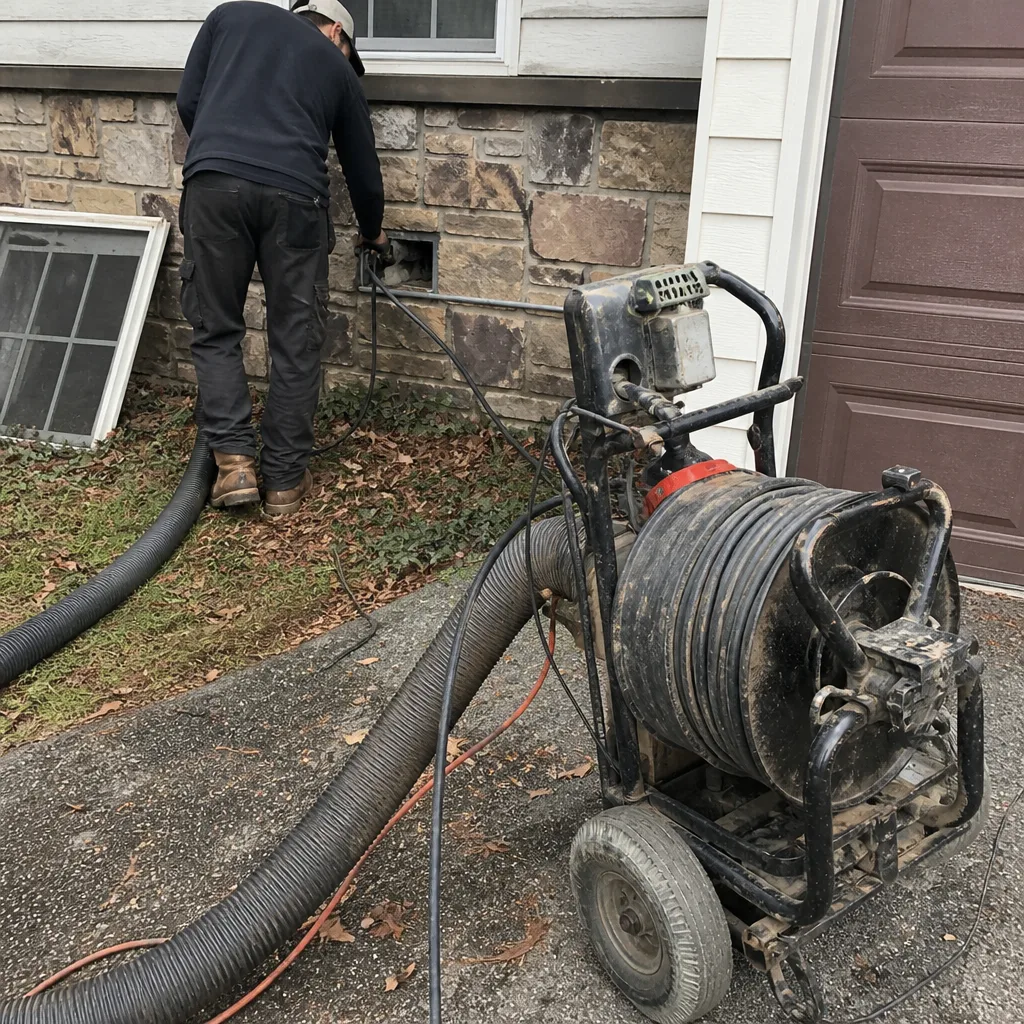 Before
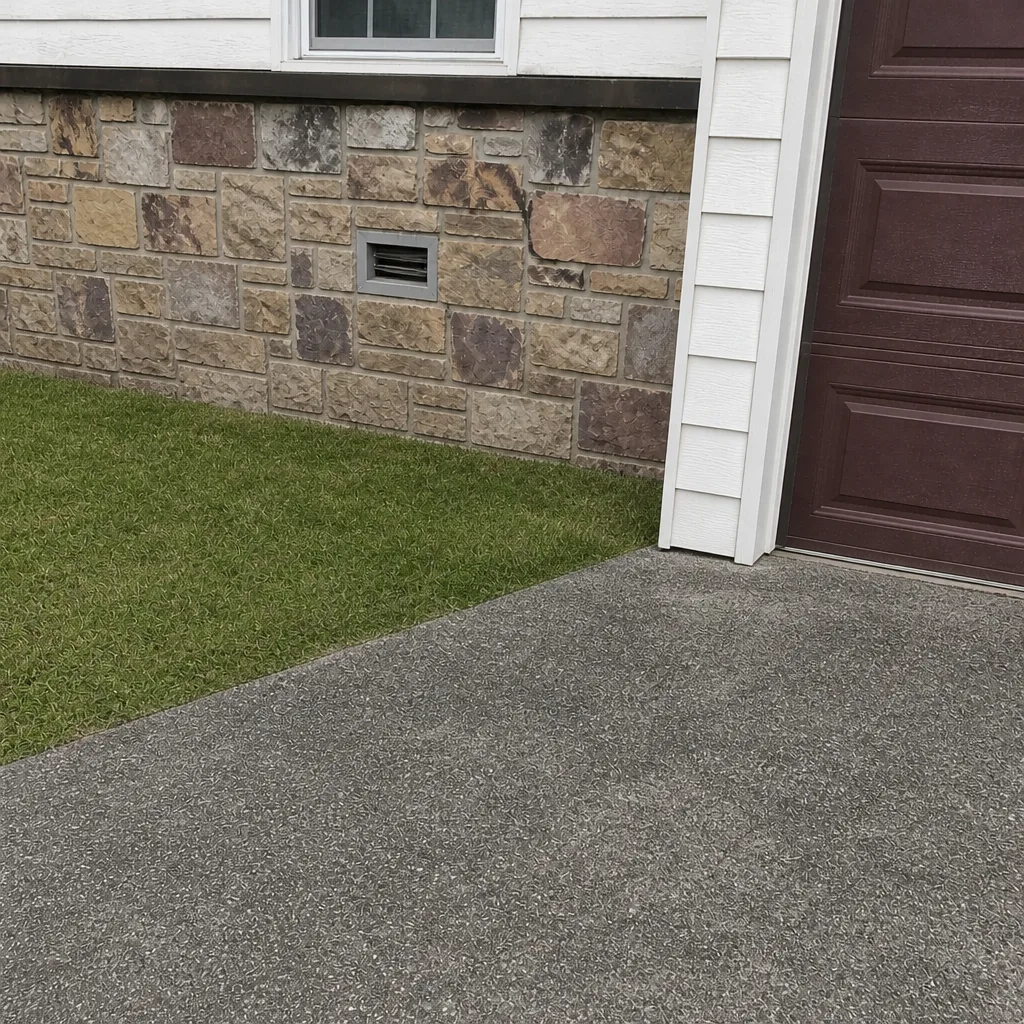 After
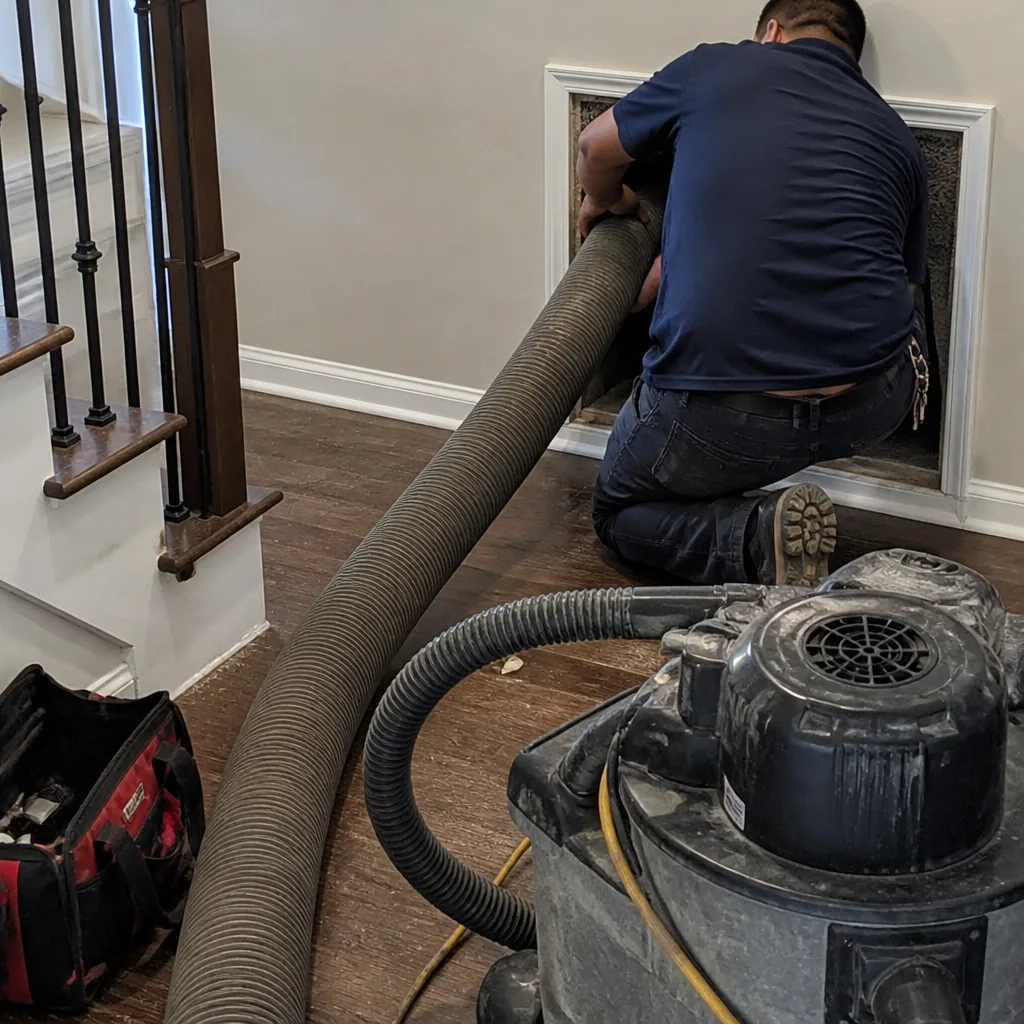 Before
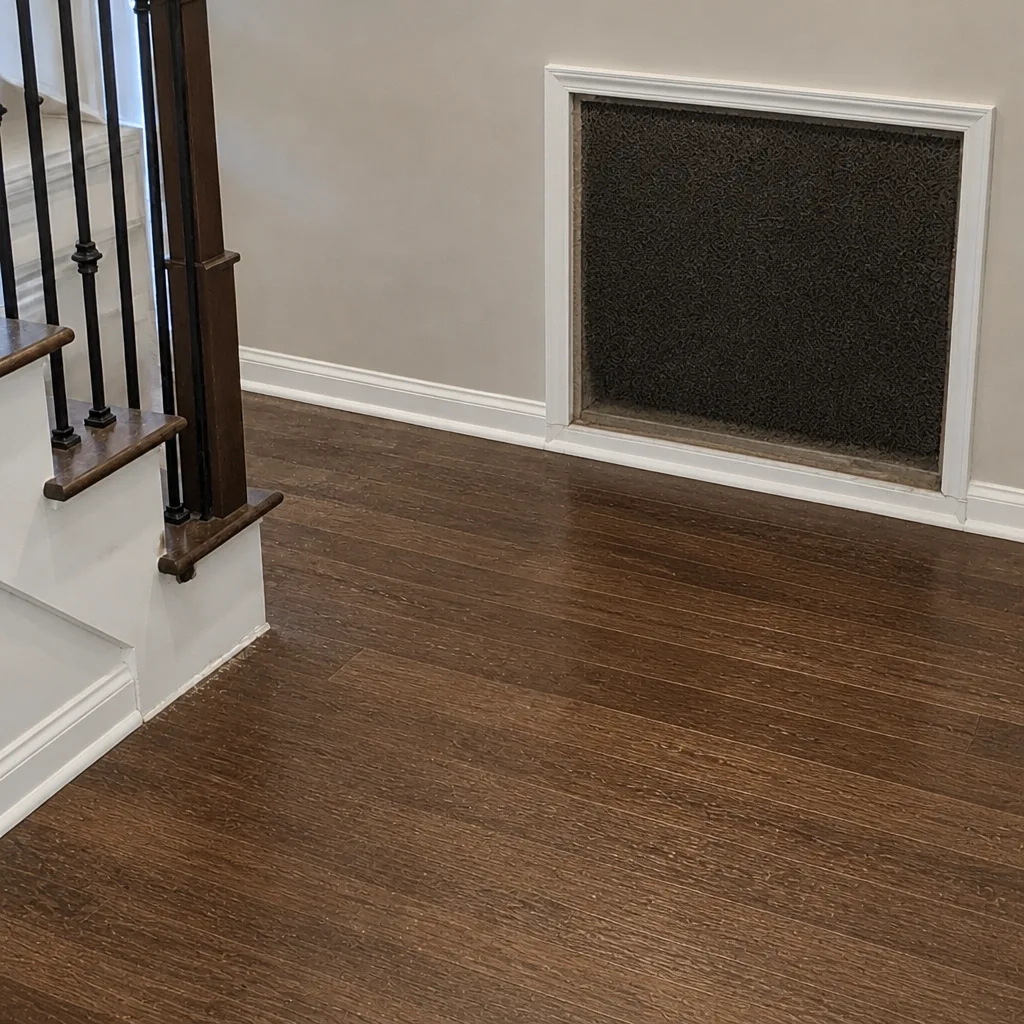 After
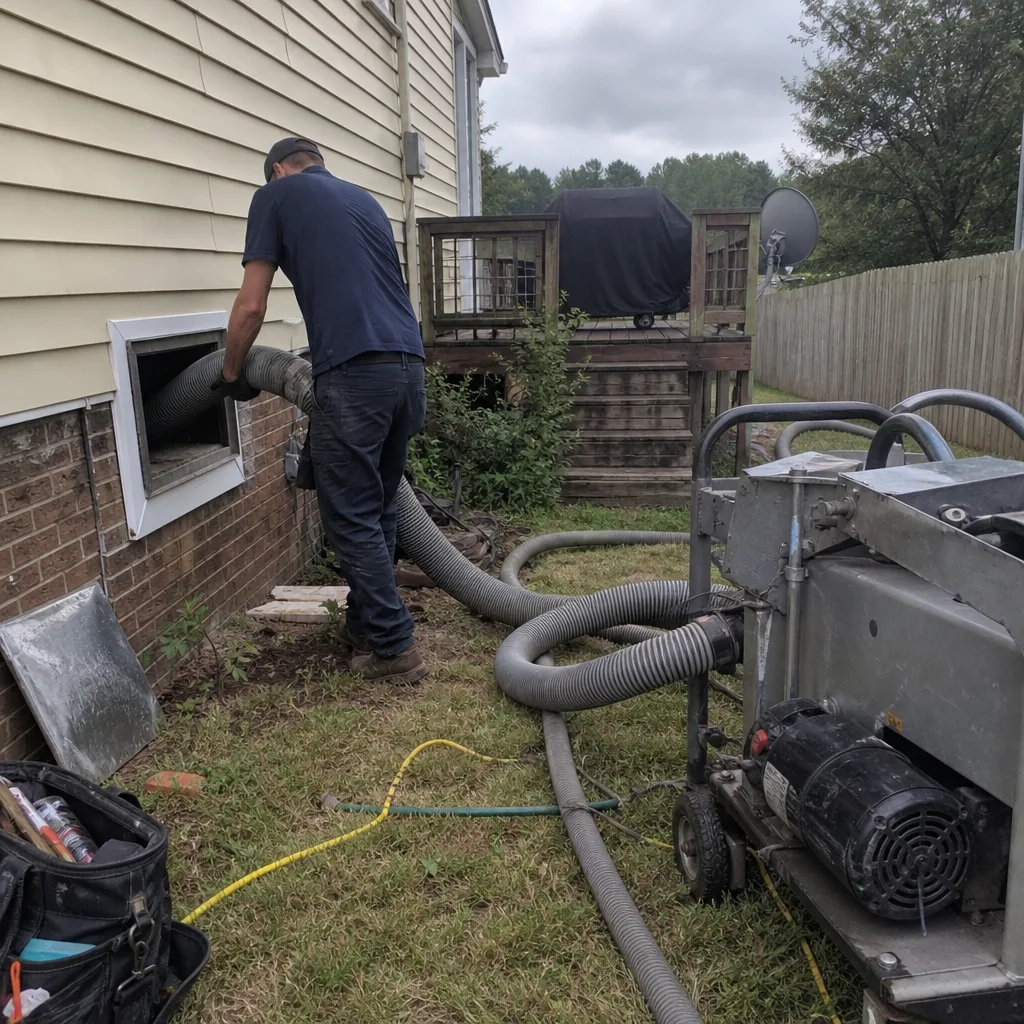 Before
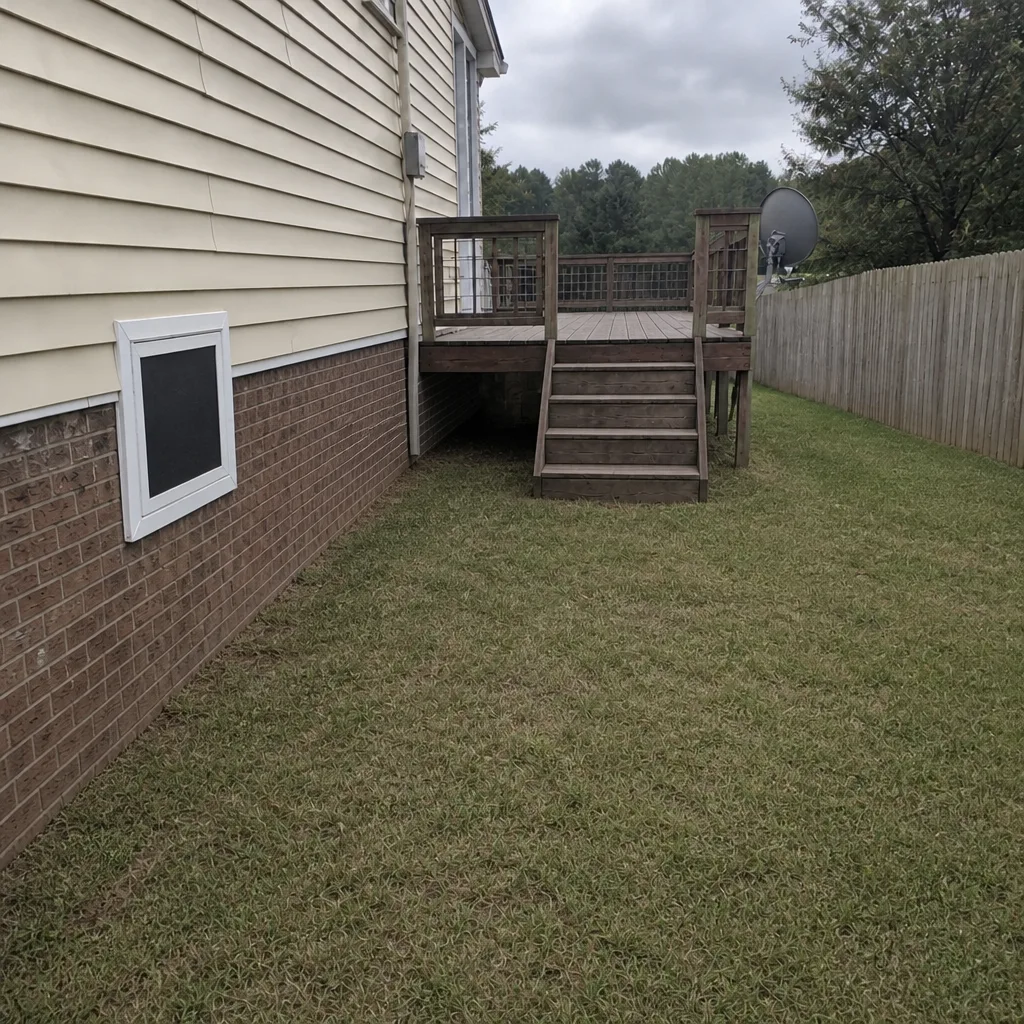 After
When to Call a Professional
Call in a professional inspection any time water, smoke, or storm debris reaches the air handler, a return, or the duct runs. That includes flood water near a floor-level grille, smoke infiltration after a neighbor’s fire, debris forced into the outdoor unit and the return pathway, and a musty smell after a long summer outage. It also includes a prolonged outage that’s already restarted the system before anyone inspected it, and any situation where a remediation crew has handled the building materials but nothing has touched the duct interior. Our technicians have up to 8 years of experience assessing which runs were exposed and writing the scope for the work.
Knoxville Air Duct Cleaning Experts offers free estimates in Knoxville, so start with an inspection and a written scope before deciding how far the job needs to go. Call (844) 798-0184. We answer 24/7. Fast dispatch from 7am to 7pm, Sunday through Friday.
Frequently Asked Questions
Duct cleaning needed because of a covered water loss is often claimable, but it depends on your policy and how well the damage is documented. The key is to start the claim before cleanup removes the evidence and to have a written contractor scope describing which runs were exposed and why. Call (844) 798-0184 for an inspection and a written scope you can hand to your adjuster – estimates are free.
No. Shut the system off at the thermostat and the breaker and leave it off until the ductwork has been inspected and cleaned. A running fan distributes contaminated water through the trunk lines and into the air handler, which turns a contained problem into a full-system one. Book an inspection before the system goes back on.
A musty smell after an extended outage usually points to moisture and biological growth inside the ductwork, not just in the air. With the fan off during a Knoxville humidity peak, damp air sits on the duct surfaces and the air handler. A cleaning and sanitizing treatment addresses it; opening windows won’t. Call (844) 798-0184 to schedule an assessment.
Biological growth can start within a few days of water exposure, and sooner in a warm, humid Knoxville house. The clock starts when water reaches the ductwork, not when the cleanup crew finishes. If a floor-level return was exposed, get an inspection on the schedule right away rather than waiting for a smell.
Yes, if smoke reached the interior or was drawn in through the system. Smoke residue coats the blower and duct surfaces, and the smell returns every time the system runs. Cleaning with a Rotobrush rotary brush vacuum and Nikro HEPA extraction removes the residue rather than masking it. Call (844) 798-0184. We answer 24/7.
Post-emergency cleaning is a one-time response to a specific event, not a repeating schedule. After the work is done, routine duct maintenance and a sealed, repaired system keep the air pathway clean. The one-time scope is set per job by the written estimate, so you know the price before any work starts. Call (844) 798-0184 to get one.
Keep the HVAC system off, check the outdoor unit and exterior openings for debris, and photograph any visible damage before touching anything. Running the system before that inspection pulls storm debris into the return pathway and spreads it through the whole network. Then get the ducts inspected if debris made it inside. Call (844) 798-0184 for a free estimate.
Often both. Water and impact can open joints, boots, and runs, and cleaning a leaky system just lets unfiltered crawl space or attic air back into the air you breathe. Sealing closes the pathway after the cleaning. The written scope tells you which the damage actually calls for.
The Bottom Line
Duct system emergencies in Knoxville are a real, separate category from flood, fire, and storm response, and the gap between the two is where contamination builds. Four events drive almost all of it: water intrusion reaching a return, fire and smoke infiltration, storm debris in outdoor units, and long summer outages damp enough to activate mold. In three of the four, the first move is the same: shut the system off at the thermostat and the breaker before anything else. Then document before cleanup starts, because that’s what makes the insurance claim work. Finally, get a full air-pathway inspection with a written scope, and clean, repair, seal, and sanitize as one job rather than piecemeal. Clean the visible registers and you’ve cleaned almost nothing. Address the whole pathway and you get air you can actually breathe easier in.
Call (844) 798-0184 for a free estimate. We answer 24/7. Fast dispatch from 7am to 7pm, Sunday through Friday. For routine work after the emergency clears, see our air duct cleaning, dryer vent cleaning, and HVAC cleaning services, or start with the Knoxville Air Duct Cleaning Experts.
Written by the team at Knoxville Air Duct Cleaning Experts.