
Last updated November 25, 2026
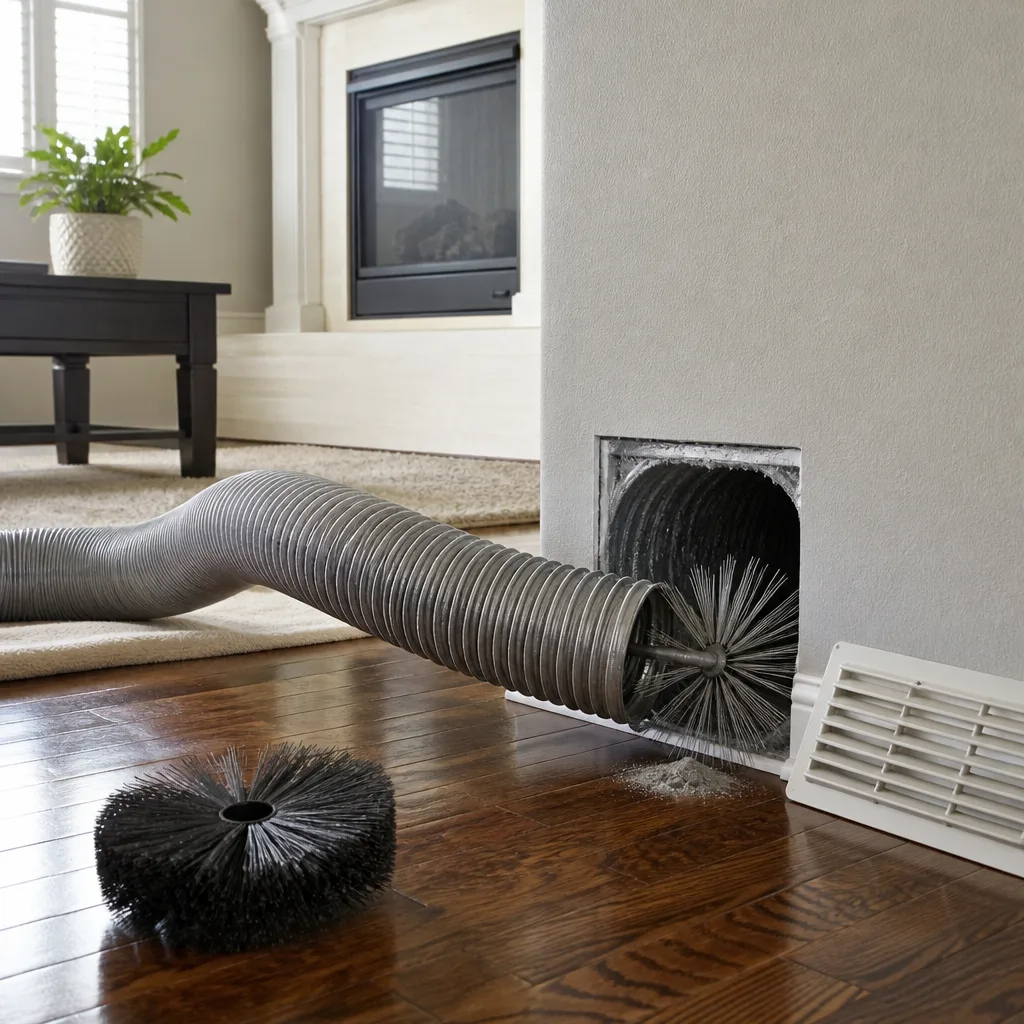 Whole-home duct cleaning
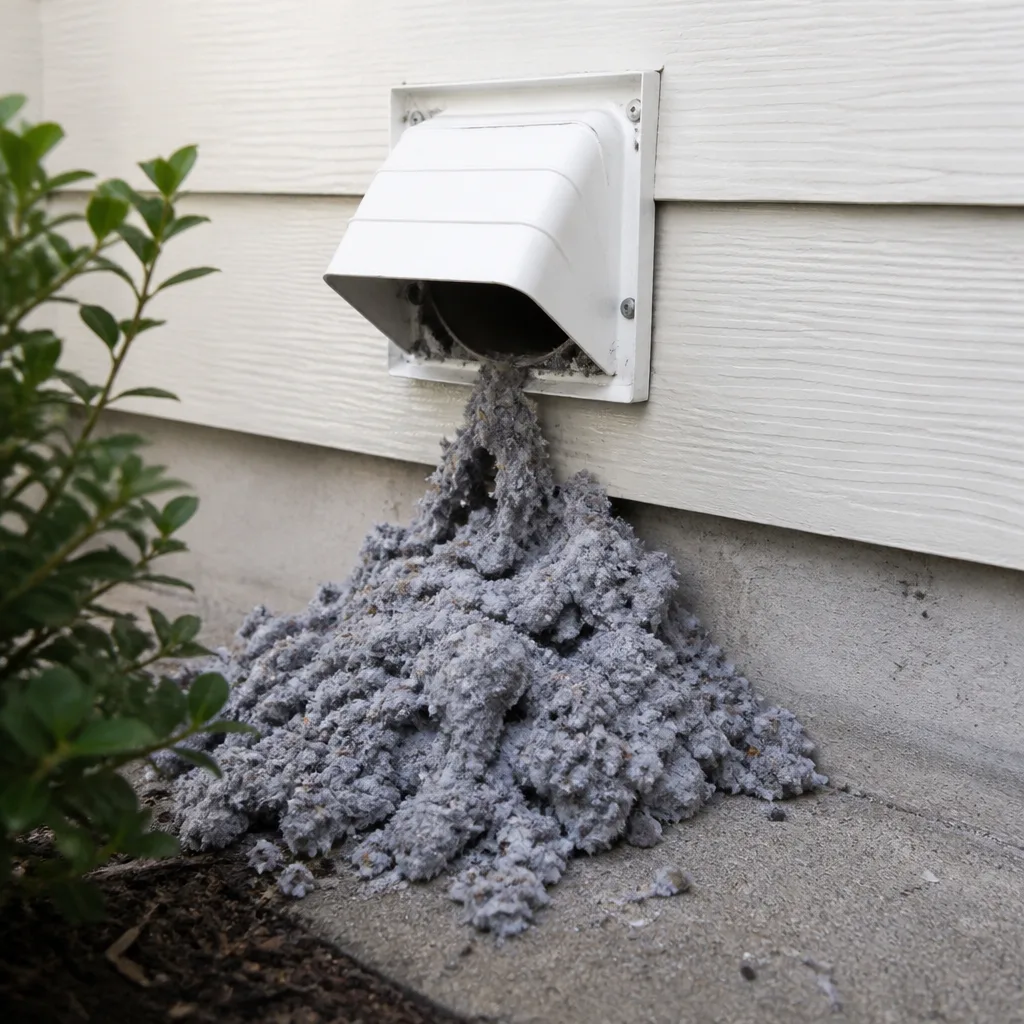 Dryer vent cleaning
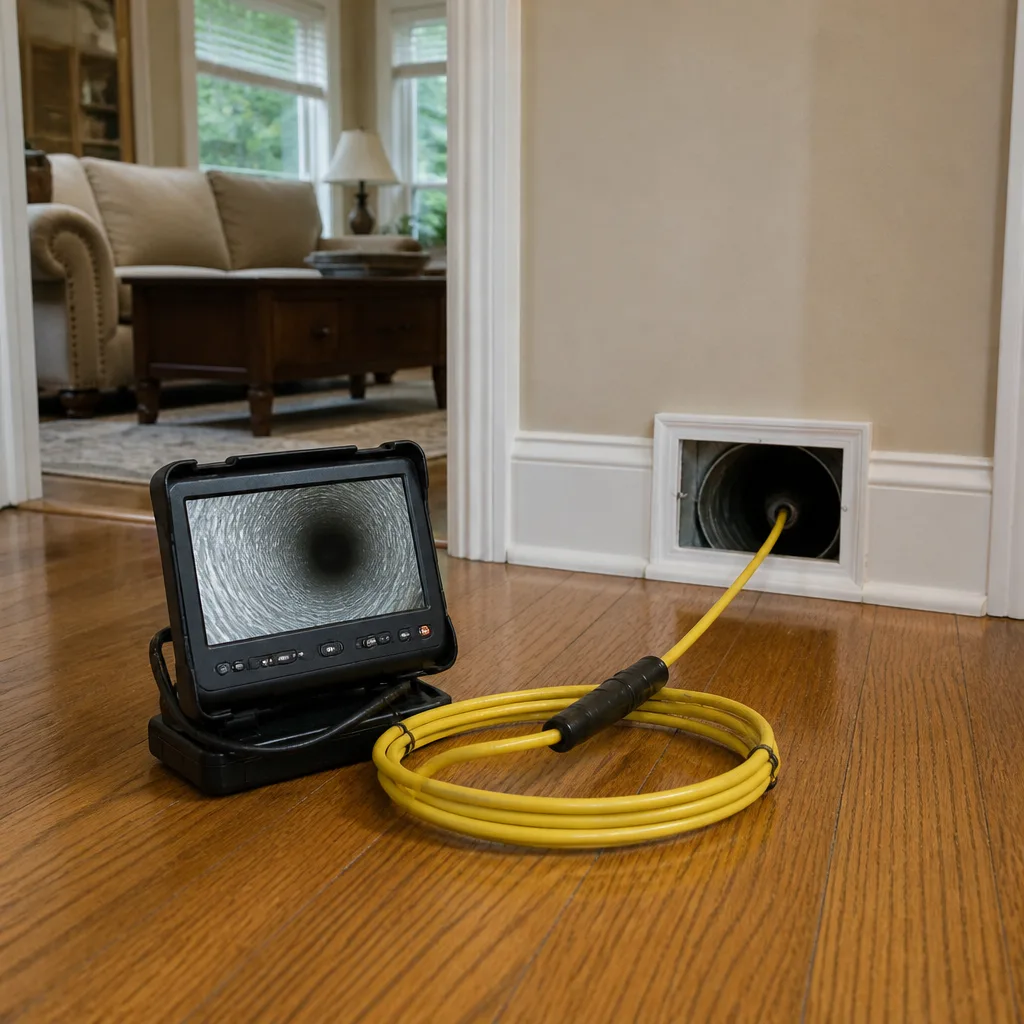 Camera inspection
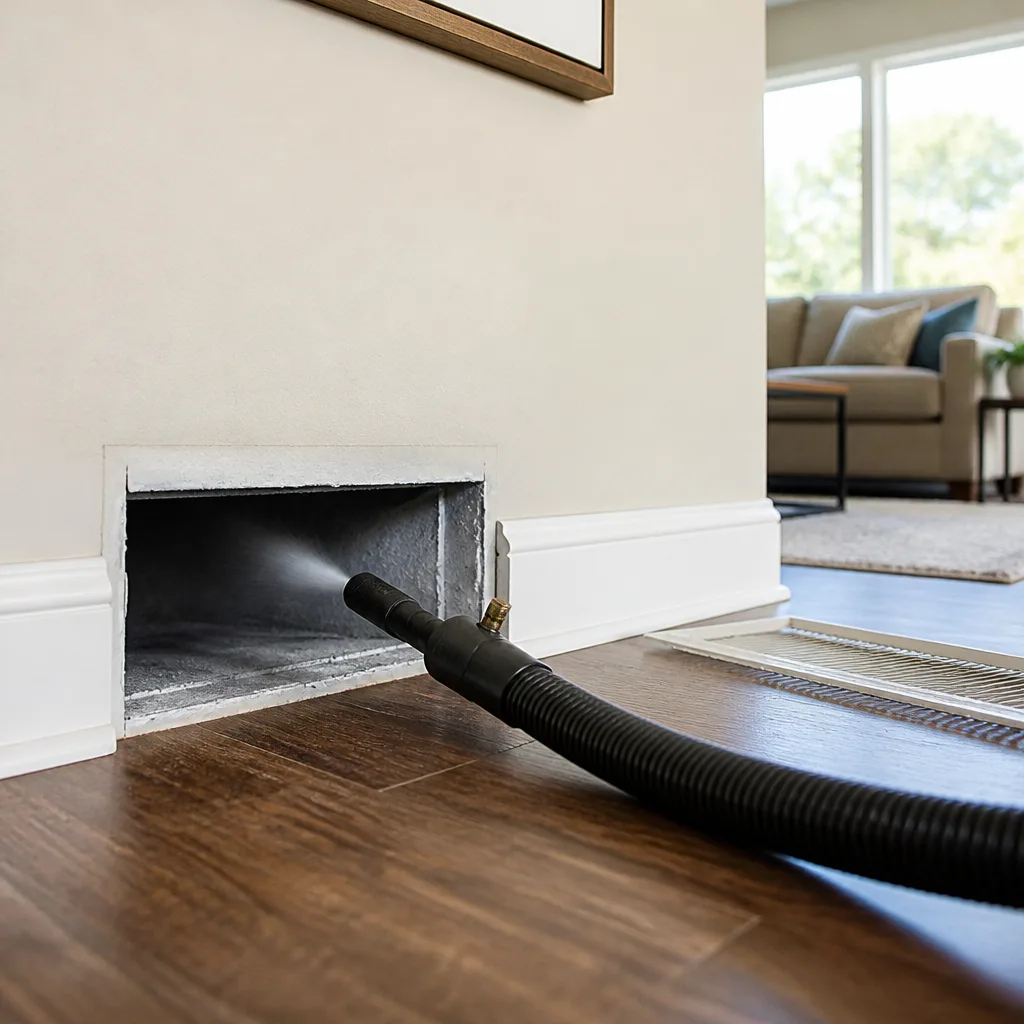 Sanitizing & deodorizing
Whole-system duct and dryer vent check with before-and-after photos - you see exactly what came out of your vents
That "$99 whole-house special" is a bait ad - the real number appears once they are in your hallway, or the "clean" is a shop-vac at the register. We photograph the inside of your ducts before and after instead.
Seasonal Air Duct Cleaning Care for Knoxville: Year-Round Homeowner’s Guide
Most homeowners treat duct cleaning as a once-a-year chore, usually in spring, then forget about the system until something smells wrong. That approach misses how Knoxville’s climate actually works on a house. The ductwork in a Knoxville home faces four different stress conditions across the calendar year, not one. Spring brings some of the heaviest oak and pine pollen in the Southeast. Summer delivers weeks of high humidity that turns any settled organic dust into a microbial problem. Fall pulls leaf debris and rodents toward the warm gaps around outdoor units. Winter heating mode dries the air and re-circulates everything that settled during the cooling months. This guide walks through each season, what to check, and how to build a care calendar tuned to Knoxville rather than a generic national schedule.
Quick Answer
Air duct care in Knoxville works best on a four-season rhythm: upgrade filtration before spring pollen peaks, watch for condensation and microbial growth through the humid summer, clean and seal in fall before the heating season locks debris into the air supply, and address settled dust in winter when heating mode re-circulates it. A single annual cleaning misses two of those four windows. Matching the work to the season is what actually keeps indoor air quality stable year-round in this climate.
Styles & brands we work with
- Whole-home duct cleaning
- Dryer vent cleaning
- Camera inspection
- Sanitizing & deodorizing
Table of Contents
- Why Knoxville’s Climate Treats Ductwork Differently
- Spring: Pollen, Coils, and the Filter Upgrade That Matters
- Summer: Humidity, Condensation, and Early Signs of Microbial Growth
- Fall: Debris, Rodents, and the Best Cleaning Window of the Year
- Winter: Heating Mode, Dry Air, and the January Dust Problem
- Building a 12-Month Duct Care Calendar for Knoxville
- Why the Full Air Pathway Matters More Than the Vents
- What Professional-Grade Equipment Actually Does
Why Knoxville’s Climate Treats Ductwork Differently
Knoxville sits in a valley with four genuinely distinct seasons, and each one pushes a different load through the ductwork. Spring pollen counts climb fast and stay high for weeks. Summer humidity averages above 70% relative humidity for long stretches, which is the threshold where condensation becomes a real risk inside poorly insulated duct runs. Fall brings a heavy leaf drop and a rodent migration toward warm structures. Winter heating mode runs long enough to dry out the air and lift settled particulate back into circulation.
A lot of duct cleaning advice online is written for drier climates or colder climates. Phoenix advice focuses on dust storms and evaporative cooling. Minnesota advice focuses on ice dam and furnace runtime. Neither fits Knoxville. Here, the dominant threats are biological: pollen loading in spring, humidity-driven microbial growth in summer, and the debris and dust that get baked into the air supply once the heat comes on.
That’s why a single annual cleaning, scheduled by habit rather than by season, tends to underperform in Knoxville homes. The mold that colonizes a coil in July gets re-distributed through the house in December if it wasn’t addressed in between. The pollen that settles into the return plenum in April becomes part of the dust load that shows up on January surfaces. Seasonal care is about breaking that chain before it compounds.
In our experience across Knoxville neighborhoods, the homes that stay comfortable year-round are the ones where filtration, coil condition, and duct cleanliness are handled on a schedule, not reactively after a smell or a dust complaint. The system is a pathway, and every season deposits something new into it.
Spring: Pollen, Coils, and the Filter Upgrade That Matters
Spring is the highest-load season for airborne particulate in Knoxville, and the single most important action is upgrading filtration before pollen peaks. Oak pollen is the dominant driver, with pine close behind, and both are fine enough to pass through a standard low-MERV filter and settle on the evaporator coil. Once pollen coats the coil, it holds moisture, and that moisture is what feeds microbial growth through the summer.
What to check in spring
- Filter MERV rating: Confirm the filter you’re running is rated for the pollen load and that your blower can handle the added static pressure. A higher MERV filter on a blower that can’t move air through it is worse than a lower-rated filter changed on schedule.
- Coil surface condition: After winter heating mode, the evaporator coil often carries a fine film of settled dust. A visual inspection through the access panel tells you whether that film is dry dust or tacky organic buildup.
- Condensate drain pan and line: Before cooling season starts, verify the pan is clear, the drain line is flowing, and there’s no standing water or slime in the trap. A clogged drain in a Knoxville spring is the fastest route to a water problem in the air handler.
- Return air grilles: Check for visible dust matting. A return pulling heavy pollen through a clogged grille starves the system and pushes debris deeper into the duct run.
Why the spring window is tight
The spring window in Knoxville is short. Pollen peaks, then the system switches to cooling mode and the coil stays wet for weeks. If the coil wasn’t cleaned before that switch, the pollen becomes a substrate rather than a surface film. Cleaning and coil inspection in early spring, before the first sustained cooling demand, is the difference between a clean coil going into summer and a coil that’s already feeding growth by June.
If you haven’t had the system assessed in a while, this is the season to schedule air duct cleaning and a coil inspection together, so the whole pathway is addressed before pollen season loads it back up. For homeowners in West Knoxville, Farragut, and Bearden, where mature oak canopy is dense, spring pollen loading on return grilles tends to run heavier than in newer developments with fewer mature trees.
Summer: Humidity, Condensation, and Early Signs of Microbial Growth
Summer is when Knoxville’s humidity does its most consequential work inside ductwork. When relative humidity stays above 70% for extended periods, any duct run that isn’t properly insulated or sealed can develop condensation on its exterior or interior surfaces. That condensation, combined with settled dust, is the recipe for microbial growth. The problem is that most of this happens out of sight, so the early indicators are what matter.
Early indicators to watch for
- Musty odor at supply registers: A damp, earthy smell when the system starts is the classic early signal of microbial growth somewhere in the pathway, usually the coil or the duct lining nearest the air handler.
- Visible condensation: Water beads or dampness on flex duct in the attic or crawlspace, or sweating on metal duct runs in unconditioned space.
- Increased allergy symptoms indoors: Symptoms that worsen when the system runs and improve when it’s off can point to a biological source in the supply air.
- Discoloration on duct interior: Dark spotting or staining visible through a register or access point.
What to do about it
The first step is confirming where the moisture is coming from. An improperly insulated flex duct run in a Knoxville attic can sweat all summer even if the duct itself is clean, and no amount of cleaning fixes a condensation problem that isn’t addressed at the insulation and sealing level. Duct repair and sealing is part of the same job as cleaning for that reason. Cleaning a duct that’s still condensing just means it will need cleaning again in a few weeks.
Sanitizing is the other summer step. Once the source of moisture is corrected, an air quality treatment addresses the microbial load that’s already present. In our experience, the calls that come in mid-summer about odor and allergy symptoms are almost always resolved by treating the whole pathway in the right order: diagnose moisture, seal and insulate, clean, then sanitize. Skipping the moisture diagnosis is why some homeowners end up with the same smell returning every August.
If you’re running a whole-home dehumidifier or a humidity-control system, this is the season to verify it’s calibrated. We work with Honeywell and Aprilaire humidity control systems, and both brands build equipment that does its job well when it’s set correctly and poorly when it isn’t. A system set to the wrong target humidity can mask a duct problem or create one.
Fall: Debris, Rodents, and the Best Cleaning Window of the Year
Fall is the single best window for a full duct cleaning in Knoxville, and most homeowners don’t schedule it. The reasoning is straightforward: cleaning in fall removes everything that accumulated during spring and summer, and it does so before heating mode locks that load into the air supply for the winter. Clean in October and the winter air starts from a clean baseline. Clean in March and you spend the winter breathing what fall left behind.
What fall brings to the system
- Leaf and yard debris around the outdoor unit: As leaves drop, they accumulate against condenser coils and around the outdoor equipment. Debris against the condenser restricts airflow and can pull particulate into the return path.
- Rodent activity: As temperatures drop, mice and other rodents look for warmth. Ductwork in crawlspaces and attics is a common target, and chewed flex duct is a leak that no cleaning will fix.
- Return air pathway contamination: Fall dust, drier conditions, and increased indoor time all contribute to higher particulate in the return path right when the system is about to run continuously.
- Attic and crawlspace debris: Insulation dust, construction debris, and stored materials near duct runs get disturbed as homeowners winterize.
What a fall inspection should cover
- Walk the outdoor unit and clear leaf debris from the coil and surrounding area.
- Inspect accessible duct runs in the attic and crawlspace for rodent damage, disconnected joints, and crushed sections.
- Check return grilles and the air handler for dust loading before heating season.
- Verify the filter is fresh and correctly sized for the winter load.
- Look for any signs of moisture or staining that developed over the summer months.
In Knoxville, neighborhoods with heavy tree canopy like Sequoyah Hills and North Hills see the most dramatic fall debris loading. Homes on larger lots with mature hardwoods tend to need the outdoor unit inspected more often than newer construction. Fall is also when the HVAC cleaning side of the work matters most, because the equipment is about to run continuously for months and any debris on the coil or blower will circulate through the whole house.
Winter: Heating Mode, Dry Air, and the January Dust Problem
Winter in Knoxville exposes a duct system’s real condition. Heating mode runs long cycles, dries the air, and lifts every bit of settled dust from duct surfaces and pushes it into the living space. That’s why so many homeowners notice a visible uptick in dust on surfaces in January and February, even when they haven’t changed anything about their cleaning routine. It isn’t a new dust source. It’s the accumulated off-season load being re-circulated by a system running harder and drier than it did all year.
Why heating mode makes it worse
Cooling mode moves a lot of air, but it also runs the air over a wet coil, which captures some particulate. Heating mode runs dry air over a dry heat exchanger at higher velocity, and that air picks up settled dust from the duct floor, the plenum, and any surface it passes. Lower indoor humidity also keeps particles airborne longer, so they don’t settle as quickly and are more likely to be visible on surfaces.
What a pre-winter cleaning actually prevents
- Dust re-circulation: Removing the settled load in fall means the winter air has less to pick up.
- Odor complaints: The first heat of the season often brings a musty or burnt smell. That smell is the settled material on the heat exchanger and duct surfaces being heated and circulated.
- Allergen exposure: Winter means more time indoors with windows closed. The indoor air becomes the primary air supply, so the pathway matters more than at any other time of year.
- System strain: A clean blower and clean coil move air more efficiently, which matters when the system is running its longest cycles of the year.
If the January dust problem is already persistent in your Knoxville home, the fix isn’t more vacuuming. It’s addressing the pathway. In our experience, homeowners who schedule a full air-pathway cleaning in fall report a noticeable difference in surface dust by mid-winter, not because the house got cleaner but because the system stopped re-distributing what was already there.
Building a 12-Month Duct Care Calendar for Knoxville
Generic duct care advice calibrated for a drier or colder region doesn’t map to Knoxville’s four-season pattern. The calendar below is built around what each season actually deposits into a Knoxville duct system, and it’s the sequencing we recommend for most homes in this climate. Every home is different, so use it as a starting framework and adjust based on what an inspection finds.
The Knoxville duct care calendar
- Late February to early March: Upgrade the filter before pollen peaks. Inspect the evaporator coil for winter dust loading. Verify the condensate drain pan and line are clear before cooling season.
- March through May: Monitor return grilles for pollen matting. If the coil showed organic buildup during inspection, address it now, before sustained cooling mode keeps it wet.
- June through August: Watch for musty odors, condensation on duct runs, and allergy symptoms that worsen when the system runs. Verify humidity control equipment is calibrated. If microbial growth is suspected, schedule a full pathway assessment before sanitizing.
- September through October: Clear leaf debris around the outdoor unit. Inspect accessible duct runs for rodent damage and disconnected joints. Schedule a full air-pathway cleaning and sealing before heating season. This is the priority window.
- November through December: Verify filters are fresh for the winter load. Address any odor when the heat first comes on by inspecting the heat exchanger and duct surfaces.
- January through February: Monitor surface dust. If it’s persistent and the fall cleaning already happened, look for a source rather than scheduling another cleaning.
What changes the calendar
Several factors push the schedule earlier or add a cleaning window. A recent renovation, for example, is one of the biggest single drivers of duct contamination, and we recommend a cleaning after the dust from the work has settled rather than waiting for the next seasonal window. A new pet, a new baby, or a family member with respiratory sensitivity can justify adding a mid-summer inspection even if the fall cleaning already happened. Homes with heavy tree canopy, older duct systems, or a history of moisture problems tend to need closer inspection at every season.
For property managers overseeing rentals in Knoxville, the calendar is worth building into turnover schedules. A pre-heating-season cleaning in October is easier to schedule than an emergency response to a tenant odor complaint in January, and it gives you a documented record of the system’s condition going into the winter months.
Why the Full Air Pathway Matters More Than the Vents
A lot of duct cleaning stops at the visible vents. That’s the part you can see, so it’s the part that gets cleaned, and it’s the part that gets photographed for the invoice. The problem is that the vents are the smallest part of the system. The dust, pollen, and microbial load that matters lives in the plenum, the trunk lines, the coil, and the blower compartment, none of which you can see from a register.
Full air-pathway service means the entire route from the equipment to the output. That includes the air handler, the plenum, the supply and return trunks, the branch runs, the registers, and the outdoor unit where it connects. We clean it, repair it, seal it, and sanitize it as one job, because addressing one part of the pathway in isolation tends to move contamination around rather than remove it.
Where contamination actually accumulates
- The return plenum: Lowest velocity, highest dust loading. This is where the bulk of settled particulate collects and gets re-suspended every time the system runs.
- The evaporator coil: A wet surface for most of the cooling season. Pollen and dust that reach it become a biological substrate if not cleaned.
- The blower wheel: Dust builds on the blades and throws the wheel out of balance, reducing airflow and increasing noise.
- Flex duct in unconditioned space: Prone to condensation, rodent damage, and sagging. Cleaning a damaged flex run is a temporary fix at best.
- The supply trunk: Sediment and debris settle at the low points and joints, especially where the duct has sagging sections or disconnected joints.
Duct repair and sealing is what distinguishes a full-pathway service from a cleaning-only one. A duct system with disconnected joints, crushed flex runs, or unsealed plenums is a system pulling attic or crawlspace air into the living space. Cleaning it without sealing it means the problem returns. This is why we treat repair, sealing, cleaning, and sanitizing as one job rather than four separate visits.
What Professional-Grade Equipment Actually Does
The equipment on a duct cleaning job determines what actually comes out of the duct and what stays in it. This is the part of the conversation most homeowners never get, and it’s the part that separates a real cleaning from a surface pass with a shop vacuum. Professional-grade equipment does three things that consumer equipment and low-end setups can’t: it agitates the duct surface, it extracts what’s loosened under containment, and it prevents the loosened material from escaping into the living space.
The three equipment classes on a real job
- Rotary brush agitation (Rotobrush): A rotary brush system runs through the duct to physically scrub the interior surface, breaking the bond between settled particulate and the duct wall. Vacuum alone can’t remove material that’s adhered to the surface.
- HEPA extraction (Nikro): A HEPA-rated vacuum pulls the loosened material out under high filtration. The HEPA stage is what keeps fine particulate from re-entering the air through the exhaust.
- Negative-air containment (Abatement Technologies): Negative-air machines create a pressure differential that keeps the work area under containment, preventing cross-contamination between the duct system and the living space during the job.
These aren’t premium add-ons. They’re the standard equipment class for a professional duct cleaning, and they’re the same tools used in commercial HVAC and remediation work. If a quote doesn’t mention containment or HEPA extraction, that’s a signal about what’s actually happening on the job.
The equipment matters because Knoxville’s seasonal loads are heavy enough that surface cleaning doesn’t hold. A duct packed with pollen and microbial growth needs agitation to break the adhesion, extraction to remove it, and containment to keep it out of the air. Anything less leaves the problem in place.
On the air quality side, we work with Honeywell and Aprilaire filtration and humidity control systems and Guardsman-certified sanitizing products, so the post-cleaning treatment is matched to the equipment already in the home. That matters because a sanitizing treatment applied to a system with the wrong filtration or humidity control just gets undone by the next season. The right tools and the right sequence make the difference between a cleaning that lasts a season and one that lasts a few weeks.
Our technicians have up to 8 years of experience, and they work the full pathway, not just the accessible runs. For a look at how we approach the whole system, see the Knoxville air duct cleaning experts page and the full dryer vent cleaning service, which follows the same seasonal logic.
Common Mistakes to Avoid
- Following a national schedule instead of a Knoxville one. Spring cleaning advice written for dry climates misses the humidity window that matters most here. Build the calendar around Knoxville’s four seasons, not a generic annual reminder.
- Skipping the fall cleaning because spring already happened. Spring cleaning removes spring pollen. It doesn’t remove the summer microbial load or the fall debris. Fall is the priority window for a reason.
- Cleaning without addressing moisture. If a duct run is condensing because it isn’t insulated or sealed properly, cleaning it solves nothing. The moisture source has to be fixed first or the growth returns within weeks.
- Upgrading filter MERV rating without checking blower capacity. A high-MERV filter on a blower that can’t move air through it strains the system and can reduce airflow. Match the filter to the equipment.
- Ignoring the outdoor unit in fall. Leaf debris against the condenser restricts airflow right before the heating season. A five-minute inspection in October prevents a season-long problem.
- Treating vents as the whole system. Cleaning the visible registers and calling it done leaves the plenum, coil, and trunk lines untouched. Those are where the contamination actually lives.
- Sanitizing before cleaning. A sanitizing treatment applied to a dirty duct just coats the contamination. The sequence has to be clean, repair, seal, then sanitize.
See the difference
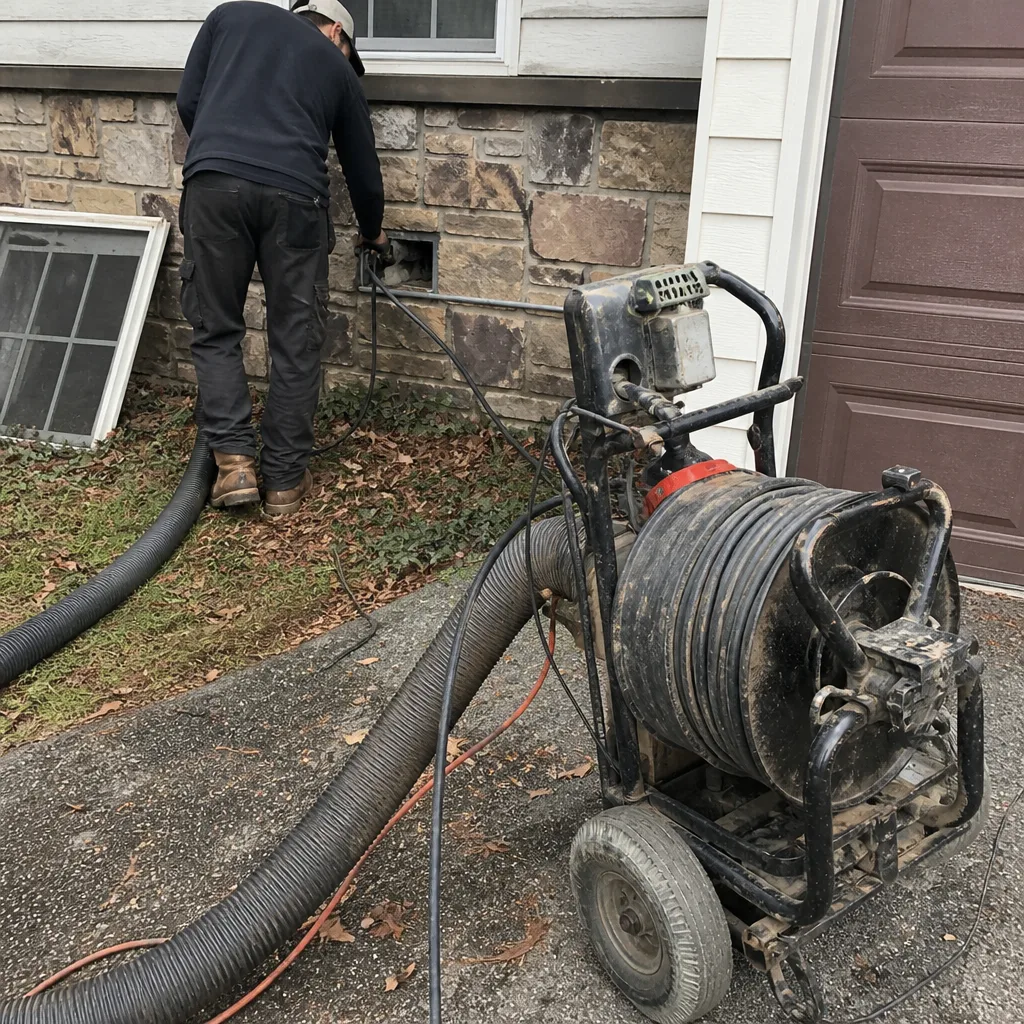 Before
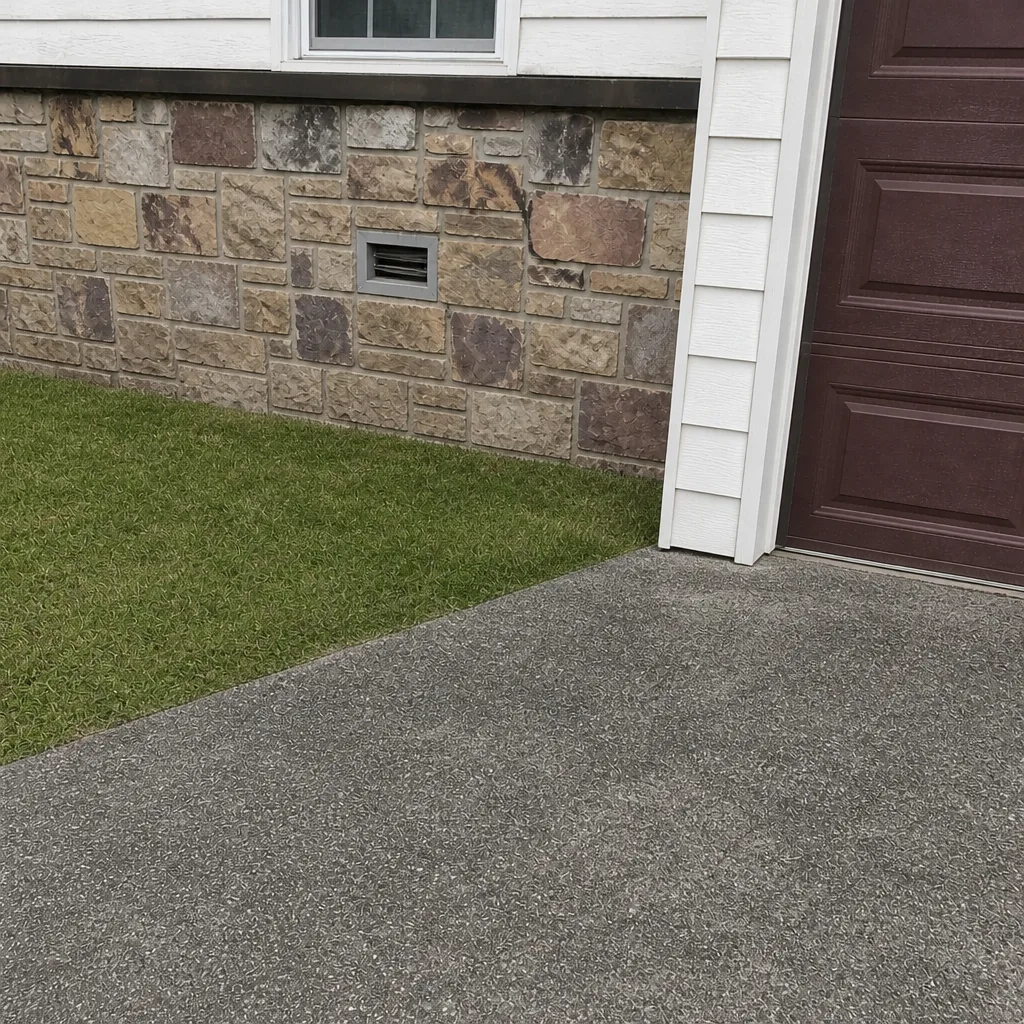 After
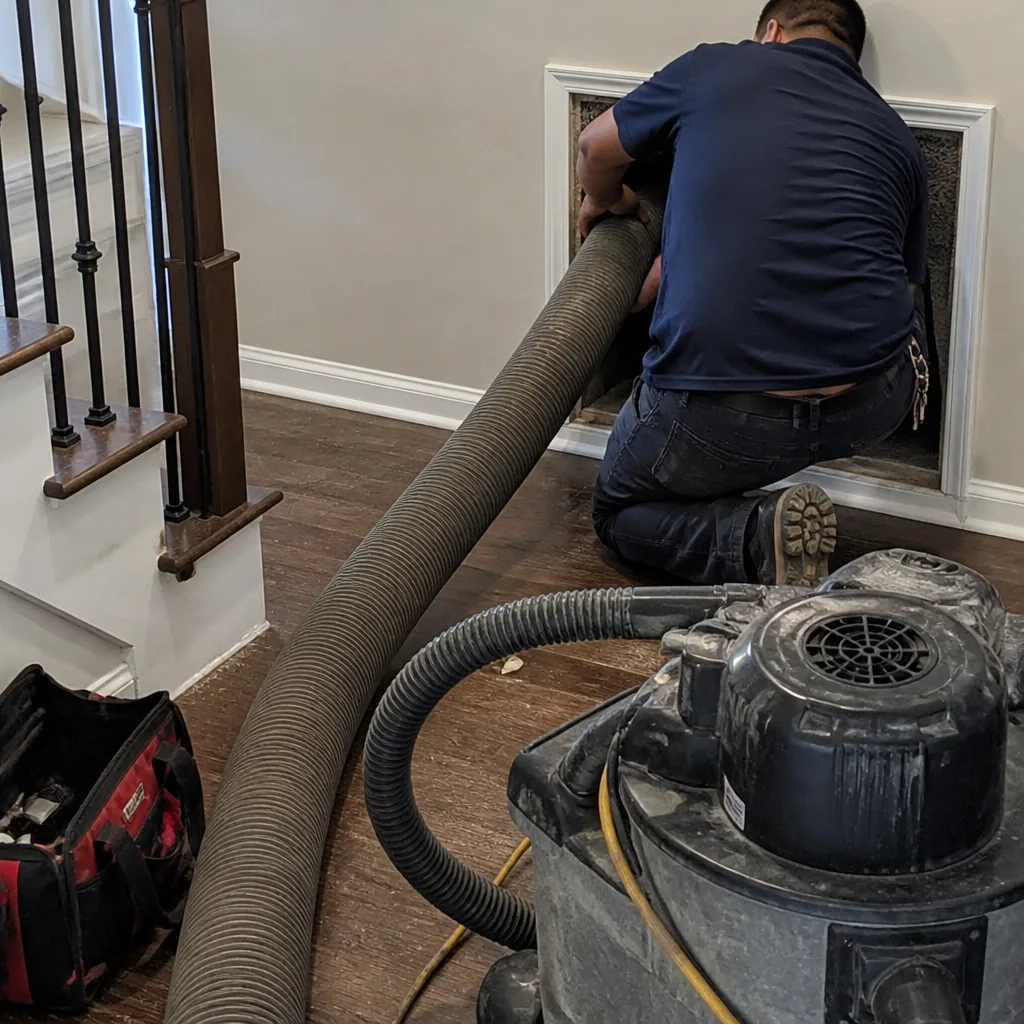 Before
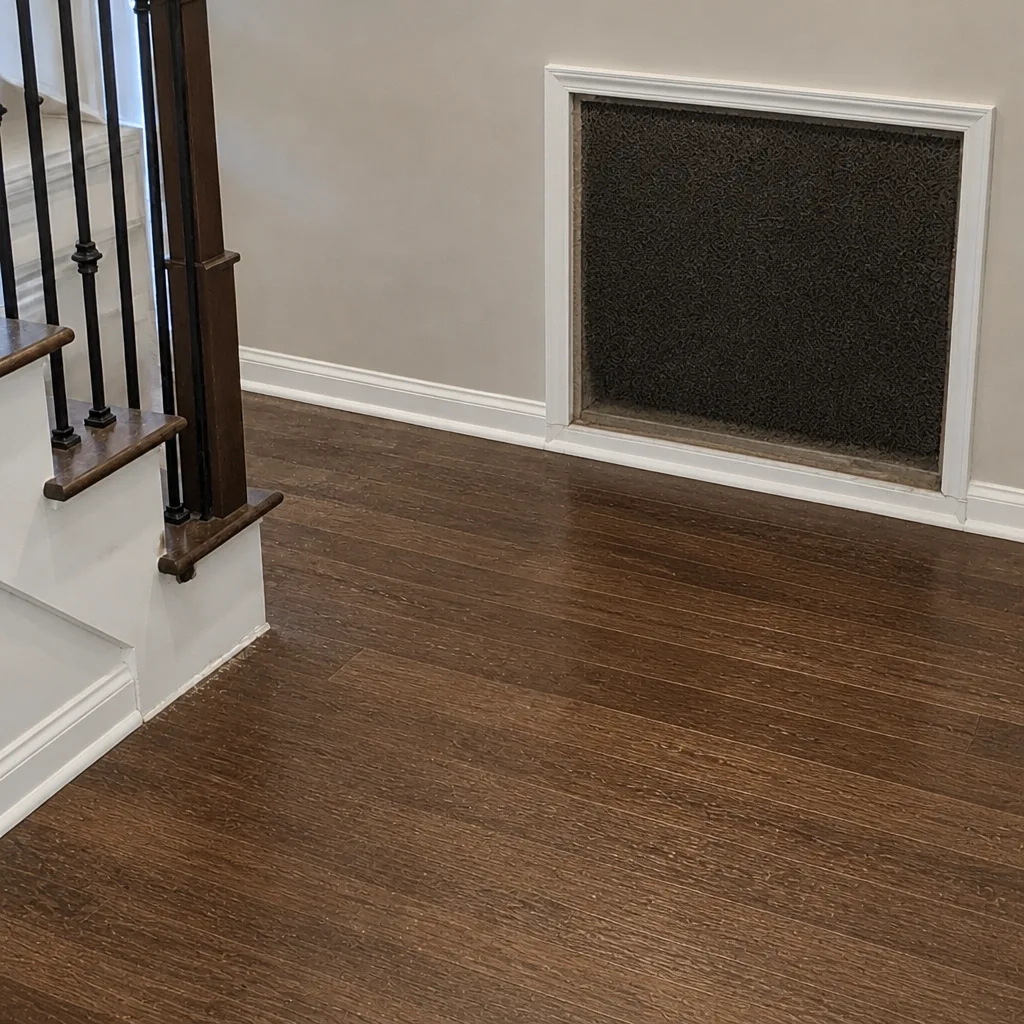 After
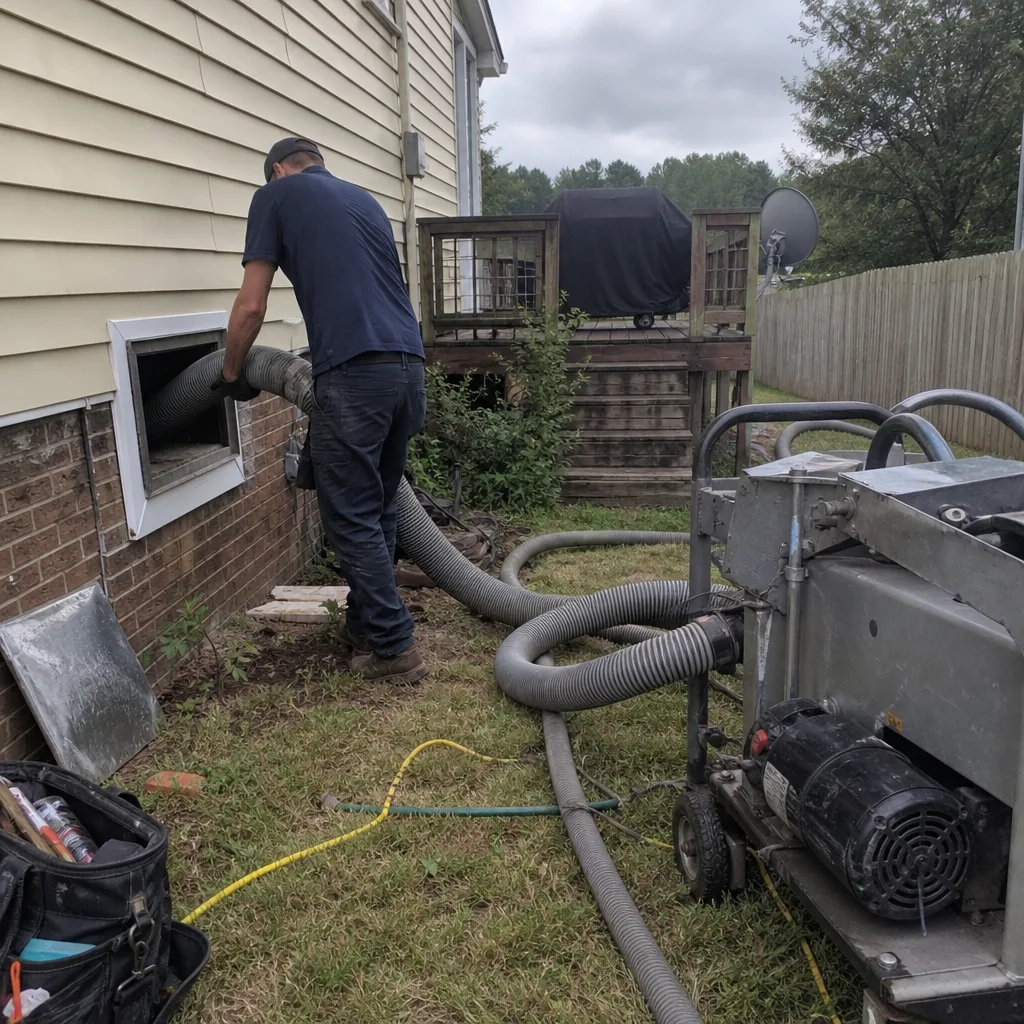 Before
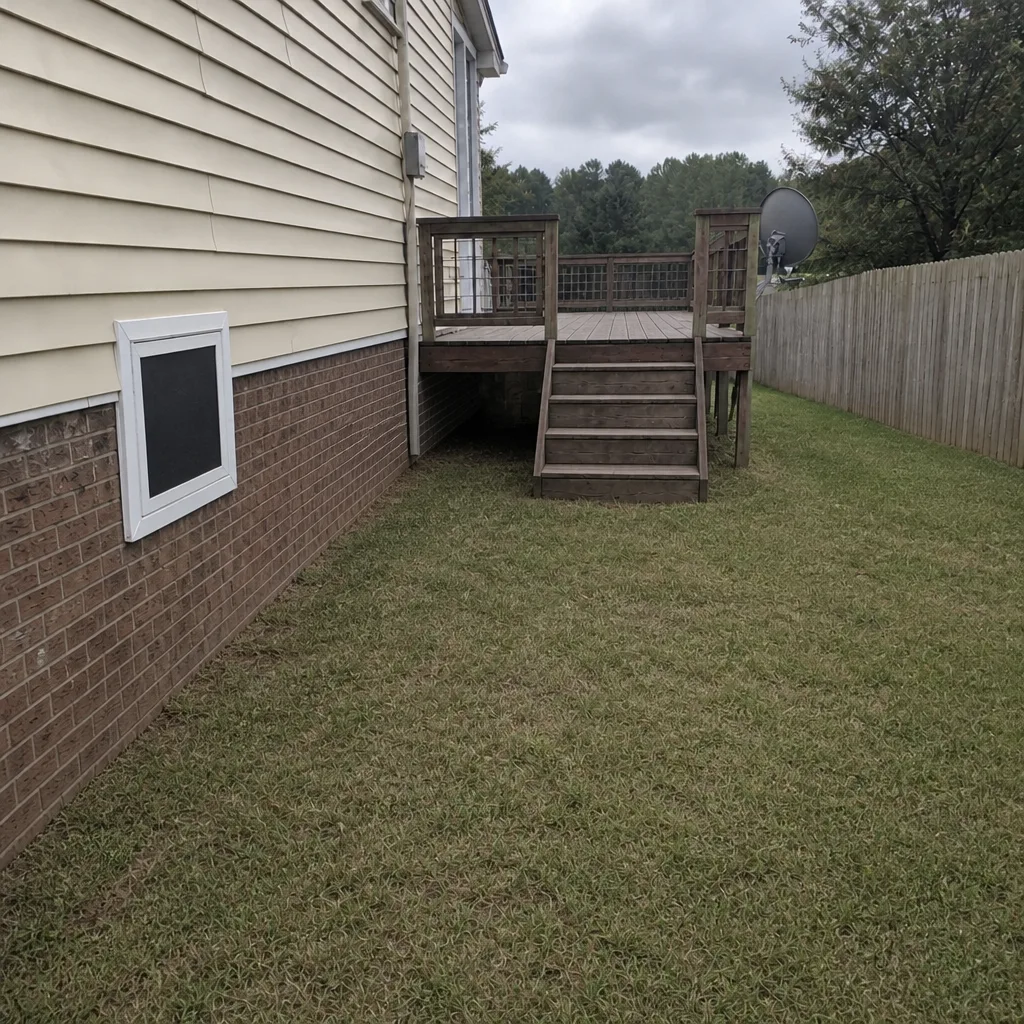 After
When to Call a Professional
Some seasonal duct care is a homeowner task: changing filters, clearing leaf debris, checking return grilles. Other situations call for a professional assessment, and trying to handle them yourself risks missing the actual source. Call a professional if you notice a musty or damp odor when the system starts, visible condensation on duct runs, persistent dust on surfaces after the fall cleaning, allergy symptoms that worsen when the system runs, rodent damage or chewed flex duct, or visible microbial growth through a register or access point. A recent renovation is another trigger, because construction dust settles deep into the pathway and no filter captures all of it.
Knoxville Air Duct Cleaning Experts offers free estimates in Knoxville. Call (844) 798-0184. We answer 24/7. Fast dispatch from 7am to 7pm, Sunday through Friday. We’ll assess the full air pathway and give you a written estimate for the work, with one flat price per system agreed before anything starts.
Frequently Asked Questions
Most Knoxville homes benefit from a full cleaning once a year, scheduled in fall before the heating season, with a spring inspection to catch pollen loading on the coil. Homes with heavy tree canopy, pets, a recent renovation, or a family member with respiratory sensitivity may need a mid-summer check as well. The seasonal schedule matters more than the frequency alone. Call (844) 798-0184 for an exact quote on your system, and the estimate is free.
Winter dust is mostly re-circulated, not new. Heating mode runs dry air at higher velocity through the system and picks up settled dust from the plenum, duct surfaces, and heat exchanger that accumulated during the cooling season. Lower indoor humidity keeps those particles airborne longer, so they show up on surfaces. A fall cleaning before the heating season is the most effective fix, and it’s the reason we schedule around that window. Call (844) 798-0184 for a free estimate.
No. A higher-MERV filter captures more pollen, but if your blower can’t move air through it, the added static pressure strains the system and reduces airflow. Match the MERV rating to your equipment’s capacity, and change it on schedule rather than running a high-MERV filter past its useful life. A filter that’s loaded with pollen blocks airflow just like a filter that’s too restrictive.
A musty smell when the cooling starts usually points to microbial growth somewhere in the pathway, most often the evaporator coil or the duct lining nearest the air handler. Knoxville’s summer humidity makes this common when a coil stays wet and organic dust has settled on it. Cleaning alone won’t hold if the moisture source isn’t addressed, so a proper assessment checks insulation and sealing too. Call (844) 798-0184 for an exact quote.
A shop vacuum can reach the surface nearest the register, but it can’t agitate adhered particulate or contain what it loosens. Professional equipment uses rotary brush agitation to break the surface bond, HEPA extraction to remove the material, and negative-air containment to keep it out of the living space. Without all three, the cleaning redistributes contamination rather than removing it.
If a duct run has disconnected joints, crushed flex sections, or unsealed plenums, cleaning alone won’t solve the problem. Those gaps pull attic or crawlspace air into the living space, and they let the newly cleaned duct re-contaminate quickly. Fall inspection is the right time to check, because heating season is when leaks show up most clearly. Call (844) 798-0184 for a free estimate that covers both cleaning and sealing.
The Bottom Line
Knoxville’s four seasons each put a different load into your ductwork: spring pollen, summer humidity-driven growth, fall debris and rodent activity, and winter re-circulation of everything that settled. A once-a-year cleaning misses two of those windows, and a national generic schedule misses all four. The right approach is a season-matched calendar: upgrade filtration before pollen peaks, watch for condensation through the humid months, clean and seal in fall before heating mode starts, and address winter dust as a symptom of a pathway problem rather than a housekeeping one. Clean it, repair it, seal it, sanitize it, and do it in the right order. Call (844) 798-0184 for a free estimate. We answer 24/7. Fast dispatch from 7am to 7pm, Sunday through Friday.
Written by the team at Knoxville Air Duct Cleaning Experts.