
Last updated November 25, 2026
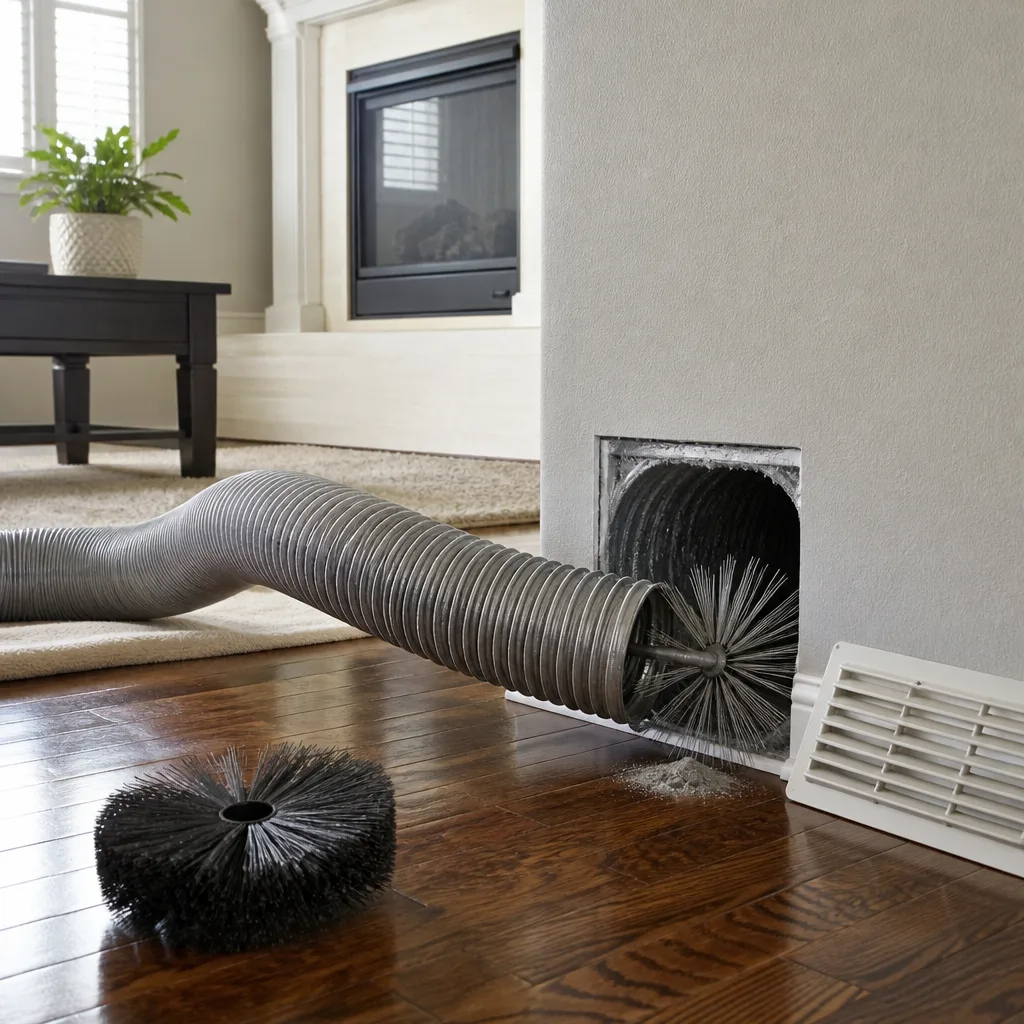 Whole-home duct cleaning
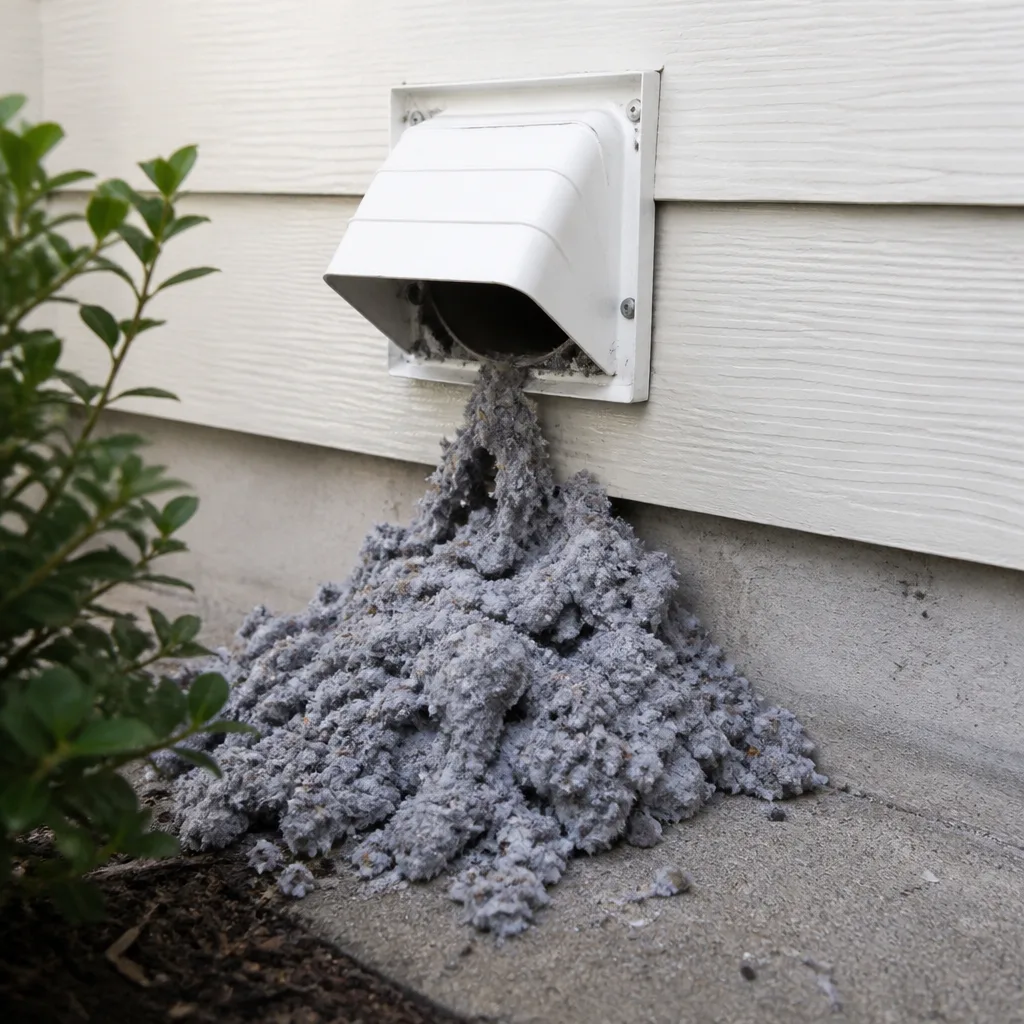 Dryer vent cleaning
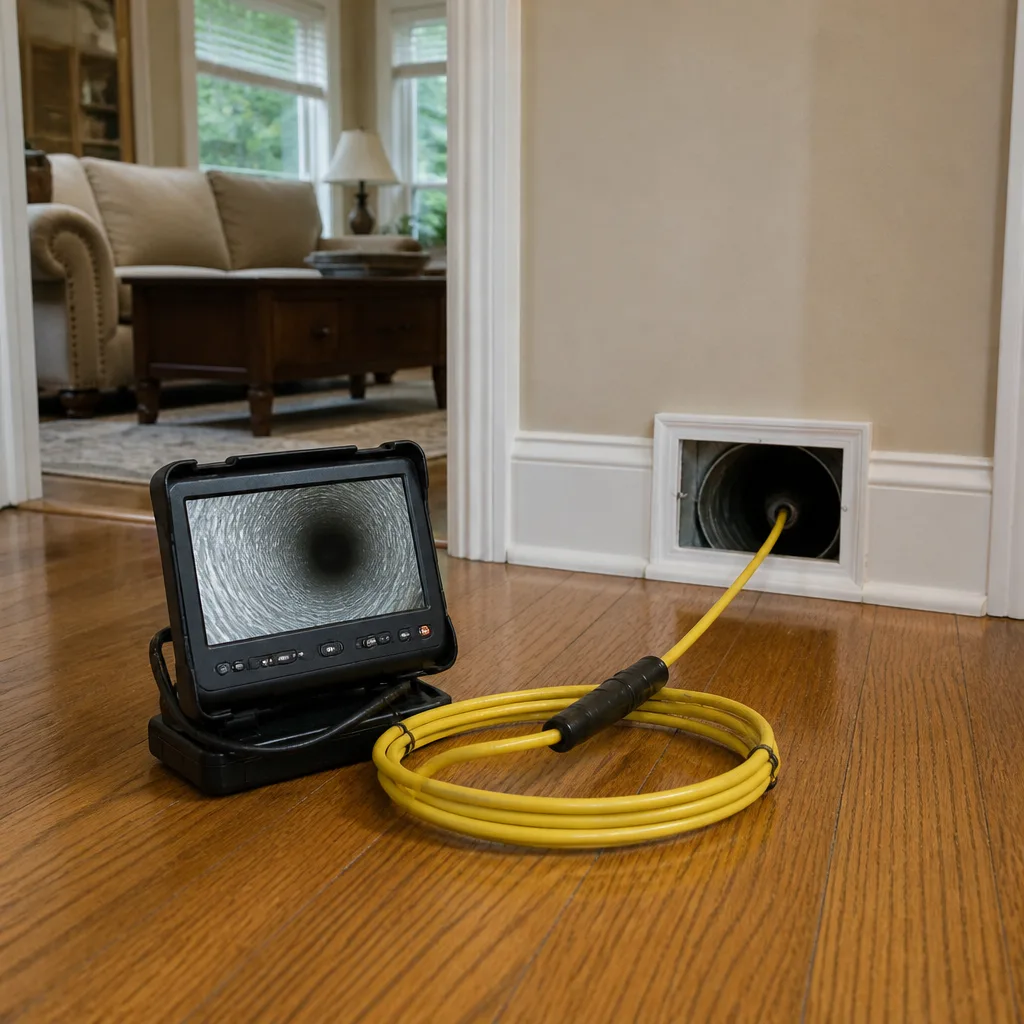 Camera inspection
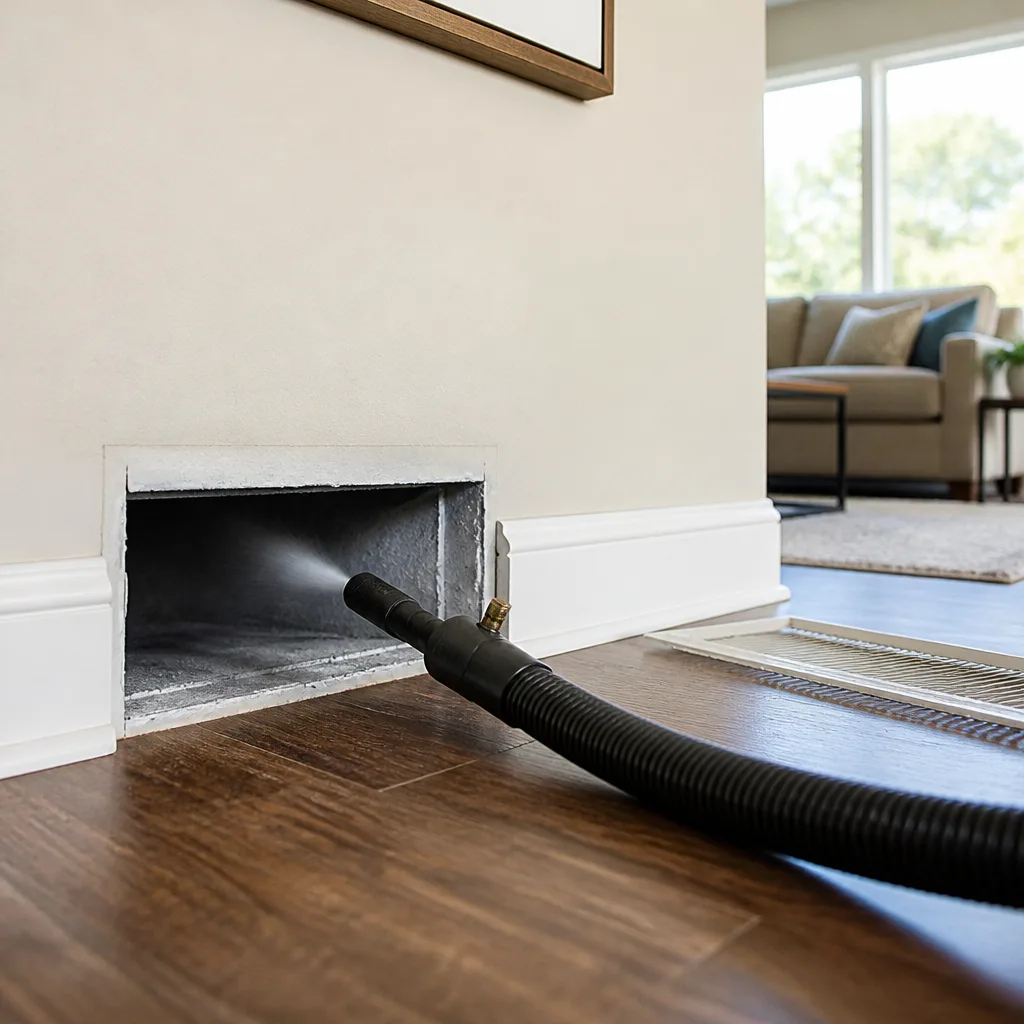 Sanitizing & deodorizing
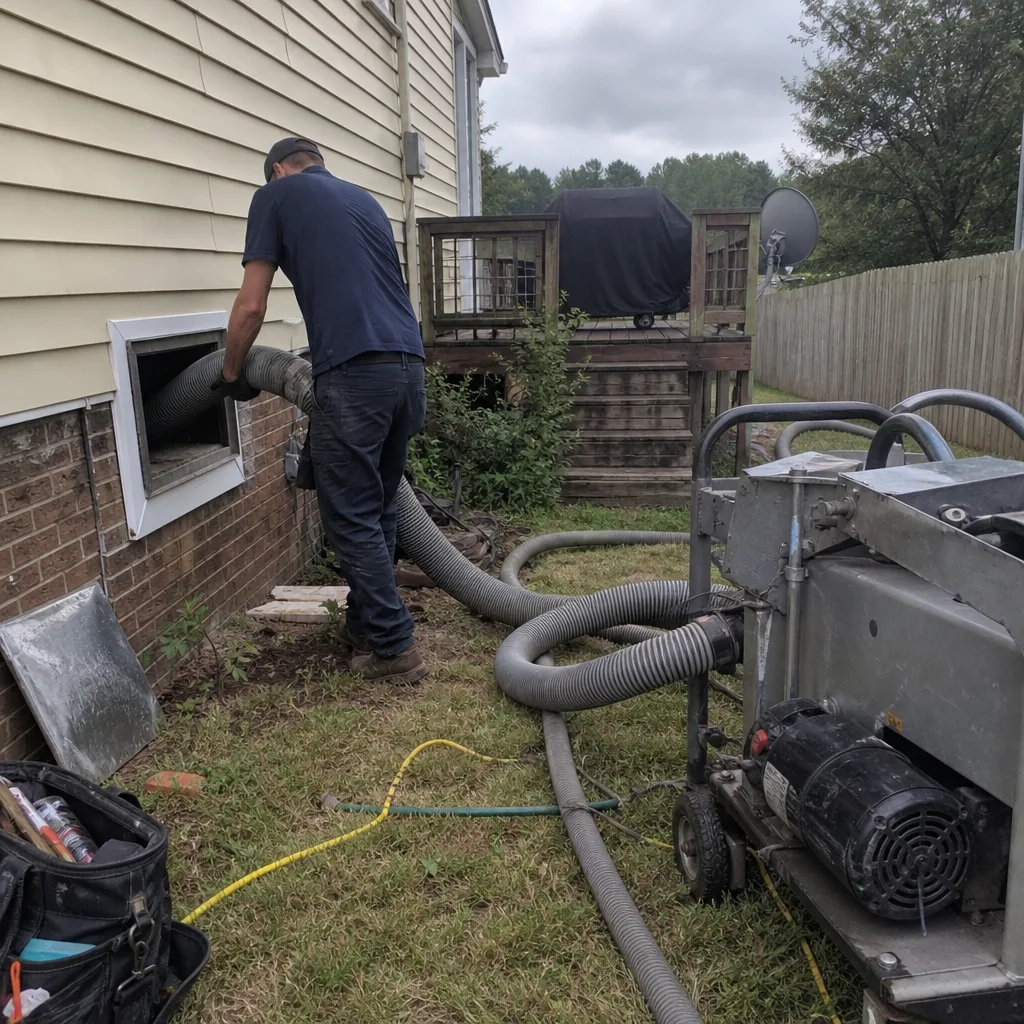
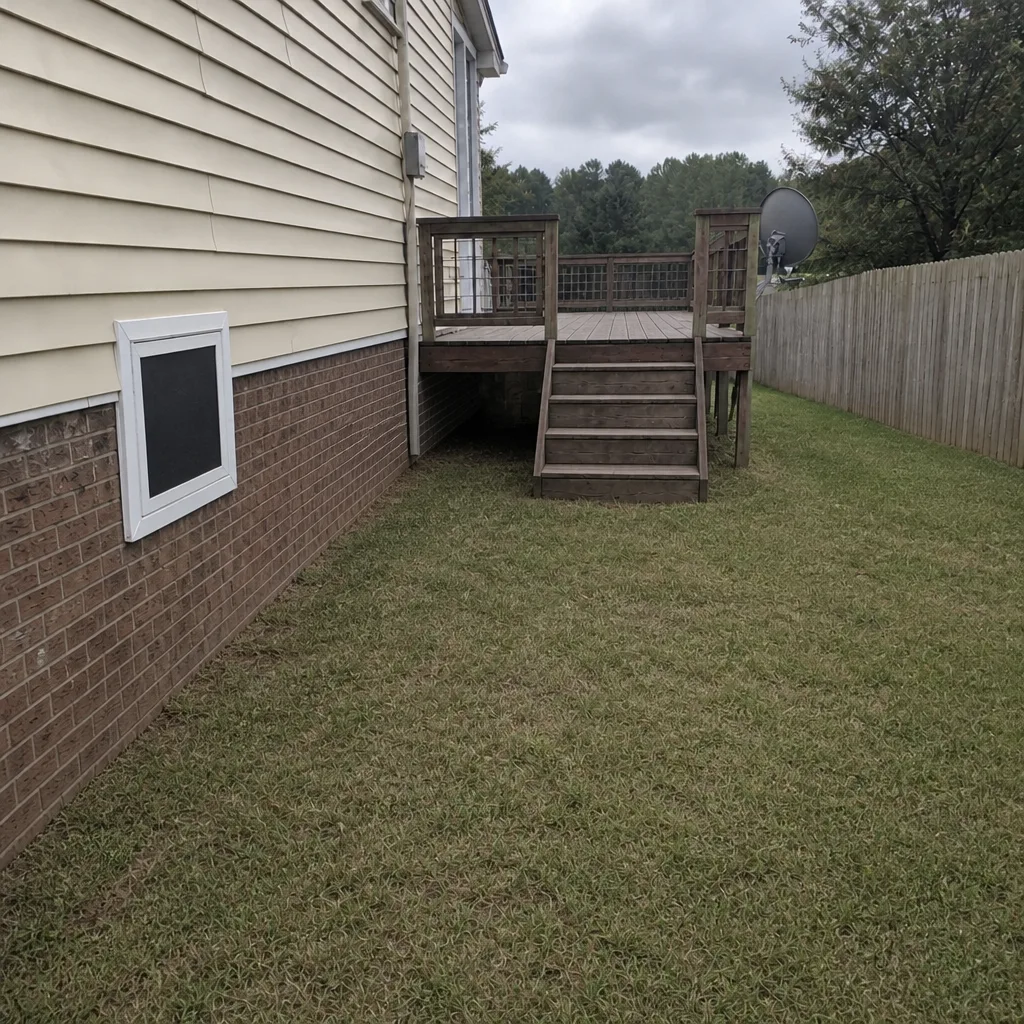
Whole-system duct and dryer vent check with before-and-after photos - you see exactly what came out of your vents
That "$99 whole-house special" is a bait ad - the real number appears once they are in your hallway, or the "clean" is a shop-vac at the register. We photograph the inside of your ducts before and after instead.
DIY vs Professional Air Duct Cleaning: The Knoxville Homeowner’s Decision Guide
Here’s the part most DIY duct cleaning advice skips: a rented shop-vac duct attachment pulls roughly 150 cubic feet per minute of air. The extraction units we use on Knoxville homes pull 10,000 to 16,000 CFM. That gap isn’t about skill or effort, it’s about physics. A consumer tool simply can’t create enough negative pressure to lift debris out of a trunk line, which means most DIY attempts clean the register area and push the rest of the contamination deeper into the system. This guide shows you exactly what DIY can and can’t do, where the line sits, and how Knoxville’s housing stock changes the answer.
Quick Answer
DIY air duct cleaning can handle surface work, register covers, boot interiors, filter changes and visible debris near the vent, and nothing more. Reaching branch runs, trunk lines and plenums requires equipment-grade negative pressure that consumer vacuums can’t produce. For Knoxville homes with crawl space ductwork, visible mold, rodent contamination, post-renovation dust or fiberglass duct liner, professional service is the only option that actually removes the contamination instead of redistributing it.
Styles & brands we work with
- Whole-home duct cleaning
- Dryer vent cleaning
- Camera inspection
- Sanitizing & deodorizing
Table of Contents
- The physics problem: why suction volume decides everything
- What DIY duct cleaning legitimately accomplishes
- How DIY attempts make the professional job harder
- Knoxville conditions that rule DIY out entirely
- Cost-benefit: when the math tips toward professional
- What professional-grade cleaning actually looks like
- Common mistakes to avoid
- When to call a professional
The Physics Problem: Why Suction Volume Decides Everything
Air duct cleaning is a pressure problem before it’s a scrubbing problem. Debris settles in ductwork in two ways: loose dust that clings to surfaces, and compacted material that drops out of the airstream at low-velocity points, usually where a branch run meets a trunk line or where flex duct sags between hangers. Getting that material out requires enough negative pressure at the extraction point to overcome surface adhesion and gravity at the same time.
The numbers break down like this:
- Registers and boots (first 12 inches): A shop vac with a duct attachment can reach into a boot and pull loose debris from the immediate opening. This is real cleaning, just very shallow.
- Branch runs (6 to 20 feet): Consumer equipment loses vacuum pressure fast. By the time suction travels down a 6-inch flex run, what started as 150 CFM is a fraction of that and no longer moving settled dust against the duct wall.
- Trunk lines and plenums: These are the large-volume sections where the majority of contamination accumulates. They require 10,000 to 16,000 CFM in a controlled negative-air environment to pull material toward the extraction point rather than letting it redistribute through the system.
This is why the professional air duct cleaning process pairs a rotary brush or air whip with HEPA extraction and negative-air containment. The brush loosens material from the duct wall; the negative-air machine keeps it from drifting into the living space; the HEPA unit captures it. Remove any one of those three pieces and you have a partial cleaning that mostly recirculates what was already there. The Knoxville air duct cleaning experts we work with run all three on every job, including Abatement Technologies negative-air units that keep dust from crossing into other rooms while the system is open.
What DIY Duct Cleaning Legitimately Accomplishes
There is real value in homeowner-level duct maintenance, as long as you understand what it’s for. Think of it as surface care, not system cleaning. Done correctly, it reduces what enters the ductwork in the first place and keeps the visible parts of the system from becoming a dust reservoir. Here’s what you can do safely and well:
- Remove and wash register covers. Pop them off, wash with warm soapy water, dry completely before reinstalling. A wet cover reinstalled is a mold risk in Knoxville’s humid summers.
- Vacuum boot interiors to about 12 inches. A flexible crevice tool on a shop vac reaches the first foot of the duct behind the register. Stop there. Going deeper with consumer equipment pushes dust past the point where suction can retrieve it.
- Change the air filter on schedule. This is the single highest-value thing a homeowner does for duct cleanliness. A clean filter catches debris before it enters the air handler and the ductwork downstream of it.
- Clear visible debris near the register face. Loose lint, drywall dust, pet hair. If you can see it from the register opening, a vacuum can reach it.
- Check for obvious gaps at takeoffs. Look at where the branch connects to the trunk. A taping failure there is a leak, not a cleaning problem, and should be sealed by someone who can reach it correctly.
- Keep supply registers unobstructed. Furniture, curtains and rugs over supply registers reduce airflow and change where debris settles downstream.
One caveat on step two. Knoxville homes built with fiberglass duct liner, common in some mid-century construction and in units where the duct board is exposed on the interior, should not be touched with a consumer vacuum. The liner is fragile; contact with a crevice tool breaks it loose, and now you’ve introduced fiberglass fibers into the airstream. If you look inside a register and see a rough, fibrous surface rather than smooth metal or flex duct, stop.
How DIY Attempts Make the Professional Job Harder
We’ve seen this repeatedly. A homeowner rents a shop vac attachment, works every register in the house, and now the duct system is in worse shape than it started. The mechanism is always some version of the same three failures:
1. Pushing debris into the air handler
Consumer vacuums produce enough airflow to dislodge dust from the duct wall but not enough to capture it. That dust goes downstream, which is exactly where the air handler and evaporator coil sit. What was settled contamination in the trunk line becomes contamination on the coil, and cleaning a coil is a more involved service than cleaning the duct.
2. Disturbing duct board liner
Duct board is a rigid fiberglass-based material with a foil or fiberglass facing. It’s common in Knoxville homes and it does not tolerate abrasion. Brushing it with a consumer tool shreds the exposed surface and releases fibers into the airstream. Once the liner is compromised, the only fix is replacement of that section, not a better cleaning.
3. Breaking flex duct connections at takeoffs
Flex duct connects to the trunk with a collar and tape or a zip tie, sometimes both. The takeoff is the weakest point in the run. Yanking a shop vac hose out of a register can pull the connection apart inside the floor cavity or crawl space, and now the system is leaking conditioned air into the joist bay. Nobody knows it happened until the energy bill moves or a room stops heating.
There’s also a fourth, quieter failure: partial cleaning that stirs up the whole system while removing only some of the material. A duct system that was moderately dirty becomes one where contamination is now spread evenly from boot to plenum, which takes a more thorough professional job to reverse than the original state would have.
Knoxville Conditions That Rule DIY Out Entirely
Some homes can’t be safely handled by any consumer-grade approach. These aren’t edge cases in Knoxville. They’re common:
Crawl space ductwork with rodent contamination
A large share of Knoxville housing has ductwork running through an unconditioned crawl space, and crawl spaces here are attractive to rodents, particularly as the weather cools. Rodent contamination means droppings, nesting material, and the pathogens that come with both. Disturbing that material with a consumer vacuum aerosolizes it into the living space. Professional cleaning of contaminated ductwork requires negative-air containment and HEPA filtration, plus sanitizing afterward. This is not a homeowner job under any circumstance.
Any visible mold in the duct system
Knoxville’s summer humidity sits high for months, and any duct system with condensation issues, unsealed returns or disconnected runs in humid space can grow mold. If you see dark speckling or a musty smell that doesn’t go away after filter changes, that’s mold in the system. Cleaning it is one step; the sanitizing treatment that follows, and often the duct repair and sealing that addresses the moisture source, is the actual fix. Homeowners who vacuum mold spores without containment just redistribute them.
Post-renovation debris
Drywall dust, sawdust, insulation fibers, construction adhesive off-gassing, all of it settles into the ductwork during a renovation and gets distributed the first time the system runs. The volume of fine particulate after even a modest remodel is beyond what consumer equipment can extract, and it’s the exact material that clogs coils. A renovation is one of the clearest triggers for professional service.
Systems with fiberglass duct liner or duct board
As covered above, these materials require controlled brushing or air-whip methods that don’t abrade the liner. Consumer tools don’t have a controlled mode.
If any of these apply to your home, the decision is already made. A technician can assess the system, explain what’s actually happening, and give you a written estimate before any work starts. The local pro is licensed and insured as their state requires, and the price is set per job by that estimate, not by the vent.
Cost-Benefit: When the Math Tips Toward Professional
Here’s the honest framing. DIY duct cleaning has a real cost: rental of a shop vac and duct kit, filter replacements, the cleaning supplies, and most of a day, assuming you’re comfortable in a crawl space and on a ladder. That cost lands somewhere in the low hundreds of dollars depending on what you rent and how many registers you have. It buys you surface cleaning only.
A professional job costs more, but it includes:
- Negative-air containment so nothing crosses into living space
- Rotary brush or air whip reaching the full branch and trunk run
- HEPA extraction of everything loosened
- An inspection that finds leaks, disconnected runs and compromised liner
- Sanitizing treatment when contamination calls for it
- Duct repair and sealing on any compromised sections found in the process
The gap narrows or flips in these scenarios:
- You’re renting equipment anyway. Once rental, supplies and a full day are on the ledger, the incremental cost of professional service is small relative to what you get.
- You have more than about 10 registers. DIY time scales linearly with register count; a professional crew with proper equipment doesn’t have the same constraint.
- You can’t safely access the system. Crawl space ductwork, tight attic runs, or any configuration where you’d need to open the system in a confined space is not a DIY candidate.
- You’re cleaning because of a symptom. Allergy complaints, musty odor, visible dust buildup after renovation, these are diagnostic situations. Cleaning without finding the source is wasted effort.
Where DIY maintenance is genuinely reasonable: a newer home with accessible metal ductwork, no contamination history, a clean filter schedule, and a homeowner who wants to handle surface care between professional cleanings. That’s the right use of the DIY toolkit.
What Professional-Grade Cleaning Actually Looks Like
Understanding the professional process is the best defense against the low-price bait-and-switch operators that exist in every market, Knoxville included. A real job has visible equipment and a visible sequence. Here’s what to expect:
- Inspection first. A technician opens registers, looks at the duct construction (metal, flex, duct board), checks the air handler and coil area, and looks for leaks or disconnected runs. You should get an assessment before any price is quoted.
- Containment setup. Abatement Technologies negative-air machines create a pressure differential that keeps dust moving toward the extraction point and out of the living space. If a crew shows up with a shop vac and no containment, that’s a red flag.
- Agitation. A rotary brush (Rotobrush systems are the standard) or compressed-air whip works the duct wall to loosen adhered material. The brush must match the duct material, gentler on flex, gentler still on duct board.
- HEPA extraction. Nikro HEPA units pull the loosened material out of the system under controlled suction. This is the step consumer equipment can’t replicate at any scale.
- Repair and sealing where needed. Any gaps, disconnected takeoffs or compromised liner identified during inspection gets addressed. This is the step most duct-cleaning-only companies skip entirely, and it’s the one that determines whether the system stays clean.
- Sanitizing. When contamination, mold or odor calls for it, a sanitizing treatment goes on after cleaning. This is a standard part of the service here, not an add-on sold at the end.
- Verification. Before-and-after photos of the homeowner’s own ductwork, not stock images. You should see your ducts, not a marketing picture.
The full-system scope matters. We handle HVAC cleaning as part of the same visit when the coil and air handler need attention, and dryer vent cleaning runs on the same equipment platform. One company, one crew, no handoffs. Honeywell and Aprilaire filtration components get installed where the system calls for an upgrade, and Guardsman-certified products support the post-cleaning protection step. Our technicians have up to 8 years of experience running this equipment on Knoxville homes.
Common Mistakes to Avoid
- Vacuuming duct board or fiberglass liner. These surfaces fail under abrasion and release fibers into the airstream. If the interior looks fibrous rather than smooth, stop and get an assessment.
- Running the HVAC system during DIY cleaning. A running system distributes everything you dislodge. Turn it off before you start and leave it off until you’re done.
- Skipping the filter change afterward. Whatever DIY cleaning stirs up ends up in the filter. Changing it after, not before, is the correct order.
- Assuming a low-price quote means a low-price invoice. Knoxville homeowners get burned by this every year. A quote that seems far below market is usually a per-vent teaser that grows once the technician is inside. Ask for one flat price per system, in writing, before work begins.
- Cleaning on a humid day without drying the system. Knoxville’s summer humidity is high enough that any moisture introduced into ductwork needs to dry fully. Cleaning during a humid stretch without running the AC after is a mold risk.
- Ignoring a musty smell that returns. Odor that comes back after cleaning means the source wasn’t addressed, usually moisture or a disconnected run. Cleaning again won’t fix it; sealing will.
- Treating a renovation like a filter problem. Drywall dust and construction debris need extraction, not filtration. Change the filter, then get the system cleaned properly.
When to Call a Professional
Call a professional if any of these are true: you’ve recently renovated, you have visible mold in or near a register, there’s a musty or rodent smell when the system runs, your ductwork runs through a crawl space, you’ve had rodent activity in the house, you have allergy or asthma symptoms that worsen indoors, or you can’t remember the last time the system was cleaned. Each of these points to contamination that consumer equipment can’t extract. Knoxville Air Duct Cleaning Experts offers free estimates in Knoxville, call (844) 798-0184. We answer 24/7. Fast dispatch from 7am to 7pm, Sunday through Friday.
See the difference
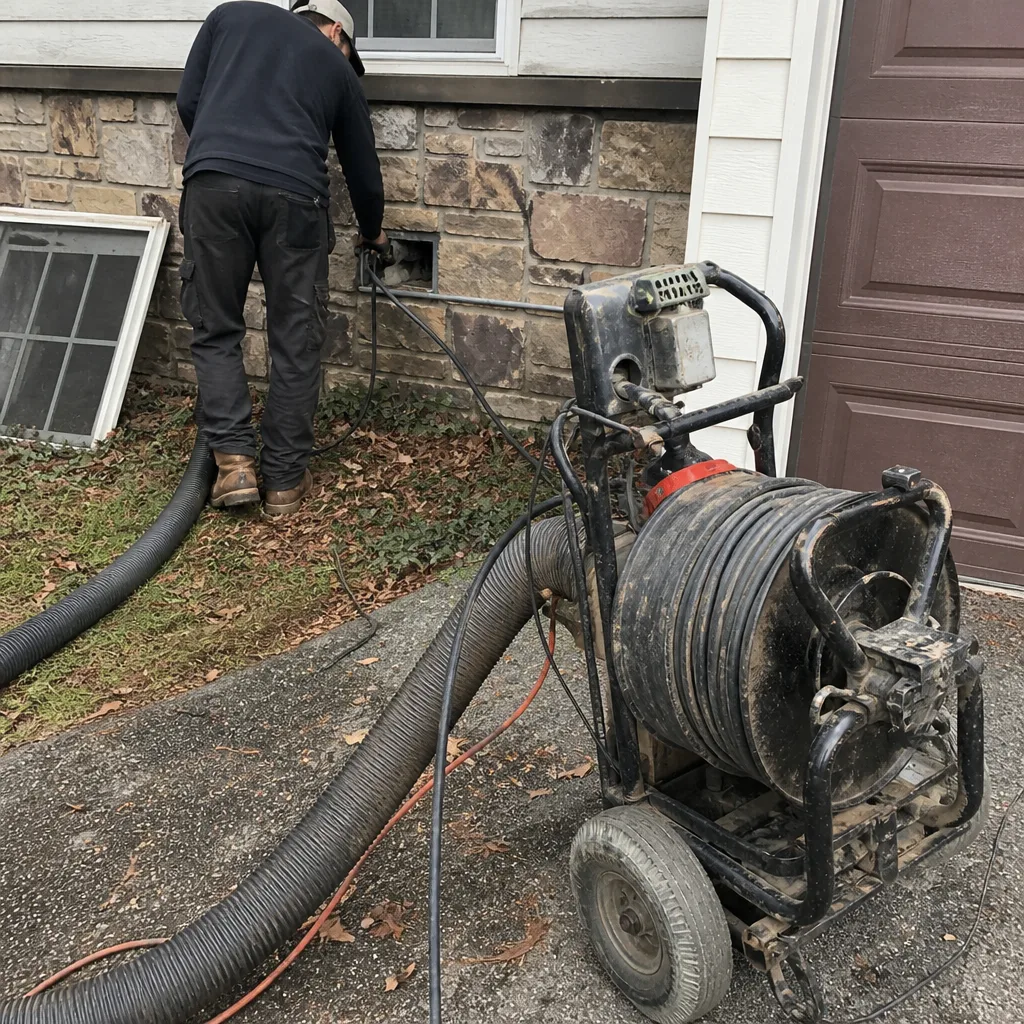 Before
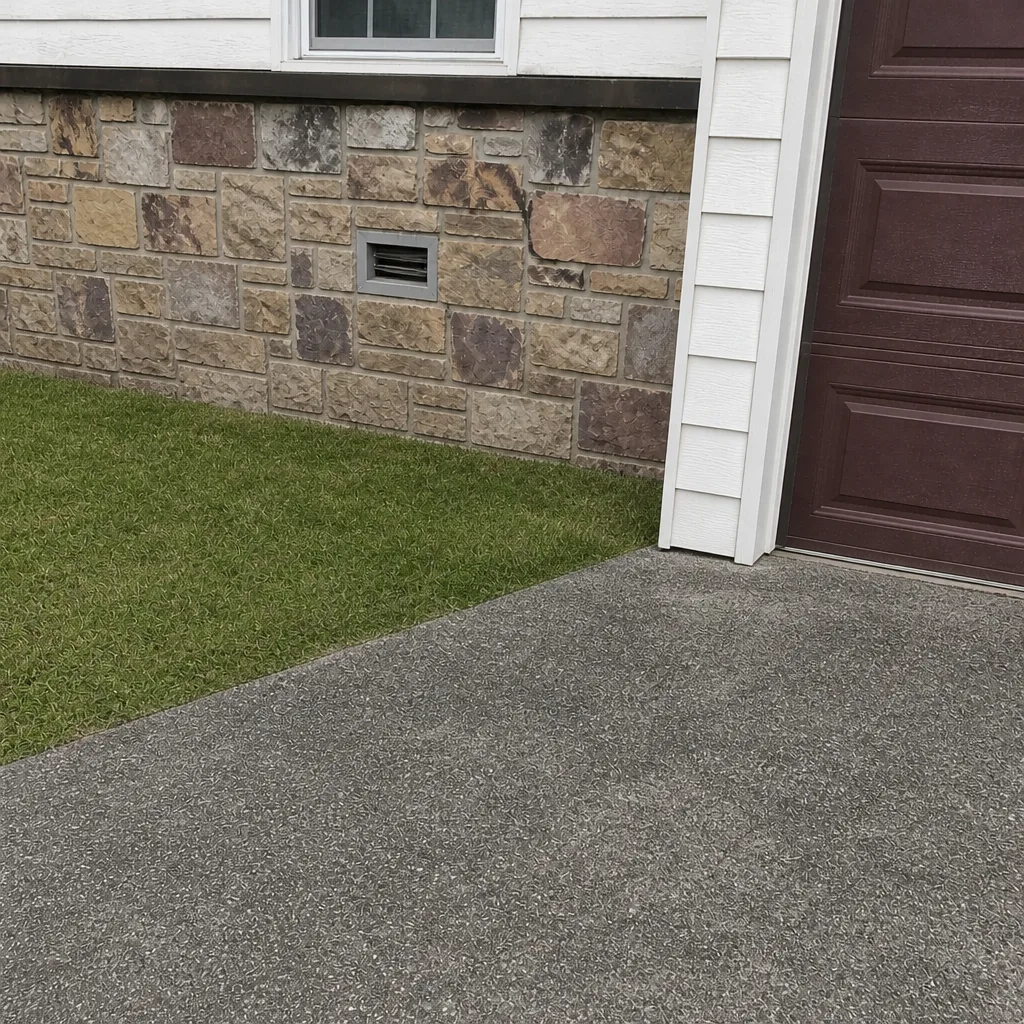 After
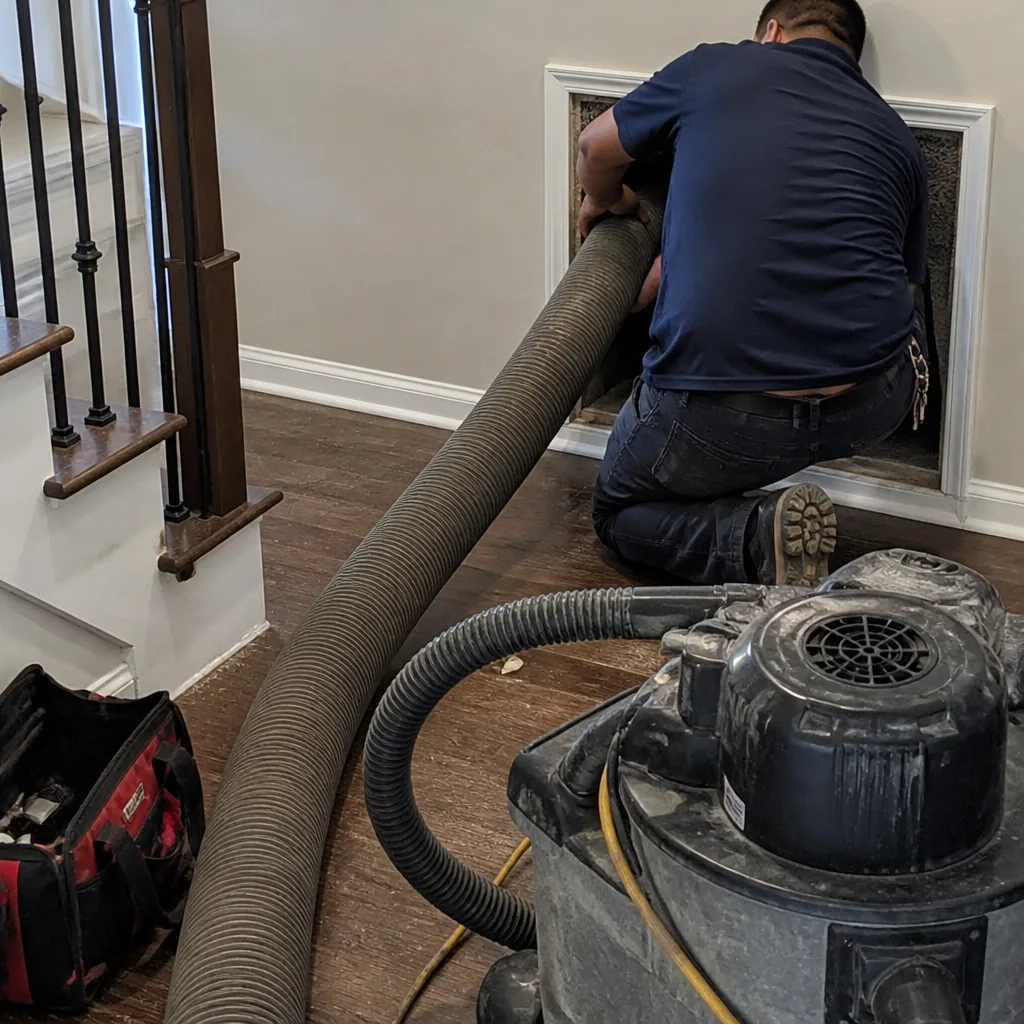 Before
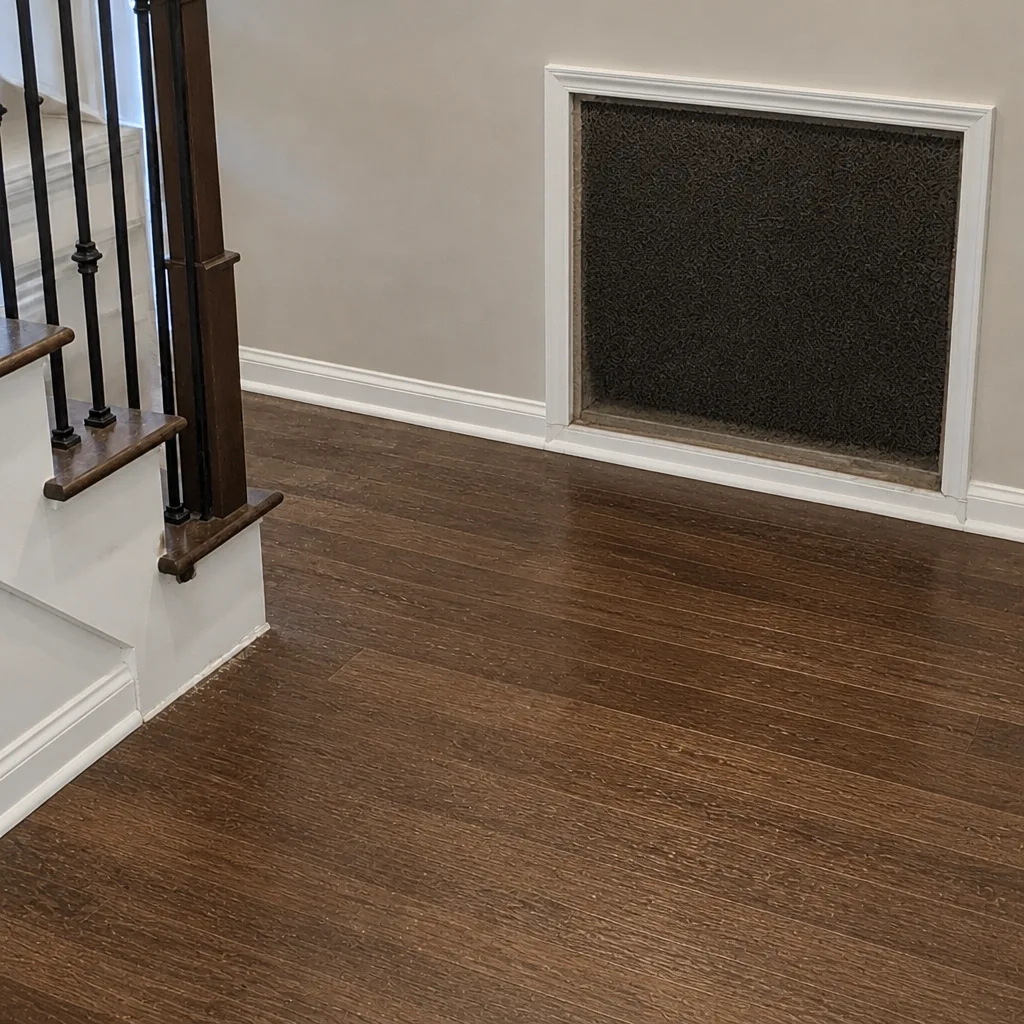 After
 Before
 After
Frequently Asked Questions
You can clean the first 12 inches behind each register and the register covers themselves, and that’s the honest limit. A shop vac produces roughly 150 CFM, while professional extraction units produce 10,000 to 16,000 CFM, so anything past the boot is out of reach. Pushing deeper with consumer equipment redistributes dust into the air handler. Call (844) 798-0184 for an exact quote, estimates are free.
Whole-system air duct cleaning in Knoxville typically falls in the low-to-mid hundreds of dollars for a standard single-family home, with the exact price depending on register count, system accessibility and whether repair, sealing or sanitizing is needed. The written estimate sets the final price, and we quote one flat price per system rather than per vent. Call (844) 798-0184 for an exact quote, estimates are free.
Because the low number is usually not the number you’ll pay. Per-vent teaser pricing often grows once the technician is inside, and cheap jobs typically skip containment, skip HEPA extraction, and skip the inspection that finds leaks and compromised liner. Ask for one flat price per system in writing before work starts, and ask for before-and-after photos of your own ducts. Call (844) 798-0184 for an exact quote, estimates are free.
Ask for before-and-after photos of your own ductwork, taken during the job, not stock images. A legitimate crew works with visible equipment, negative-air containment machines and HEPA extraction units in place, and the technician can walk you through what was found and what was addressed. If a company can’t show you photos of your own system, the work is unverifiable. Call (844) 798-0184 for an exact quote, estimates are free.
Most Knoxville homes don’t need it on a fixed schedule. The real triggers are events and conditions: a renovation, rodent activity in a crawl space, visible mold, a musty smell that returns after filter changes, or allergy symptoms that worsen indoors. Homes with pets, heavy occupancy or ongoing remodeling tend to need it more often. Filter changes handle the routine; professional cleaning handles the events. Call (844) 798-0184 for an exact quote, estimates are free.
Yes. Long humid summers mean any duct system with condensation, an unsealed return or a disconnected run in humid space is a mold candidate. Once mold is present, cleaning alone doesn’t solve it; the moisture source has to be sealed and the system sanitized after cleaning. That’s why duct repair and sealing are part of our scope rather than a separate call to another contractor. Call (844) 798-0184 for an exact quote, estimates are free.
The Bottom Line
The DIY versus professional question comes down to equipment capability, not effort. Consumer vacuums reach about a foot into the ductwork at roughly 150 CFM; professional extraction runs 10,000 to 16,000 CFM with negative-air containment and HEPA capture behind it. Homeowner-level work on registers, boots, filters and visible debris is genuinely useful surface care. Branch runs, trunk lines and plenums need the equipment, and Knoxville conditions like crawl space ductwork with rodent contamination, high summer humidity and post-renovation dust make the professional call the obvious one. One flat price per system, agreed before work starts.
Get a Free Estimate in Knoxville
If you’ve read this far and recognized your own home in any of the scenarios above, the next step is a proper assessment rather than a better shop vac. Call Knoxville Air Duct Cleaning Experts at (844) 798-0184 for a free estimate. We answer 24/7. Fast dispatch from 7am to 7pm, Sunday through Friday. We clean it, repair it, seal it, and sanitize it, so the answer covers the whole air pathway rather than the vents alone.
Written by the team at Knoxville Air Duct Cleaning Experts.